صمام التحكم في تدفق الورق (Ventil Papierstoffmengenregelung): دليل الاختيار
Quick answer: “Ventil Papierstoffmengenregelung” describes a valve used to regulate the quantity or flow of paper stock. In a paper machine approach-flow or stock-preparation system, this valve helps stabilize pulp flow, consistency and basis weight. Accurate selection depends on stock consistency, fiber characteristics, flow range, differential pressure, valve geometry and actuator resolution.
What Does “Ventil Papierstoffmengenregelung” Mean?
The German expression can be translated as paper stock quantity control valve or paper stock flow control valve. It usually refers to a modulating valve that adjusts the amount of pulp suspension delivered to a paper-making process.
In basis-weight control, the valve can receive a signal from the quality-control or flow-control system and make small position changes. Increasing or reducing stock flow affects the fiber mass sent toward the headbox and forming section. Stable response supports consistent grammage, machine operation and product quality.
Where Is a Paper Stock Flow Control Valve Installed?
The exact position depends on the mill layout. Typical duties include stock-preparation flow control, machine-chest discharge, mixing and dilution systems, approach flow before the headbox and basis-weight control loops. Related valves also regulate white water, dilution water, chemicals, steam and wastewater.
The process engineer should distinguish between the main fibrous stock line and clean utility lines. A valve suitable for dilution water or steam may not be suitable for pulp stock containing long fibers, recycled material or abrasive fillers.
Which Valve Types Can Control Paper Stock Flow?
| Valve type | Possible use | Main advantage | Review carefully |
|---|---|---|---|
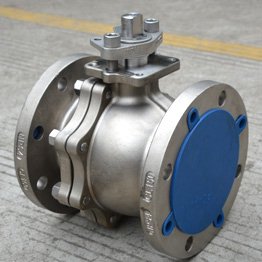
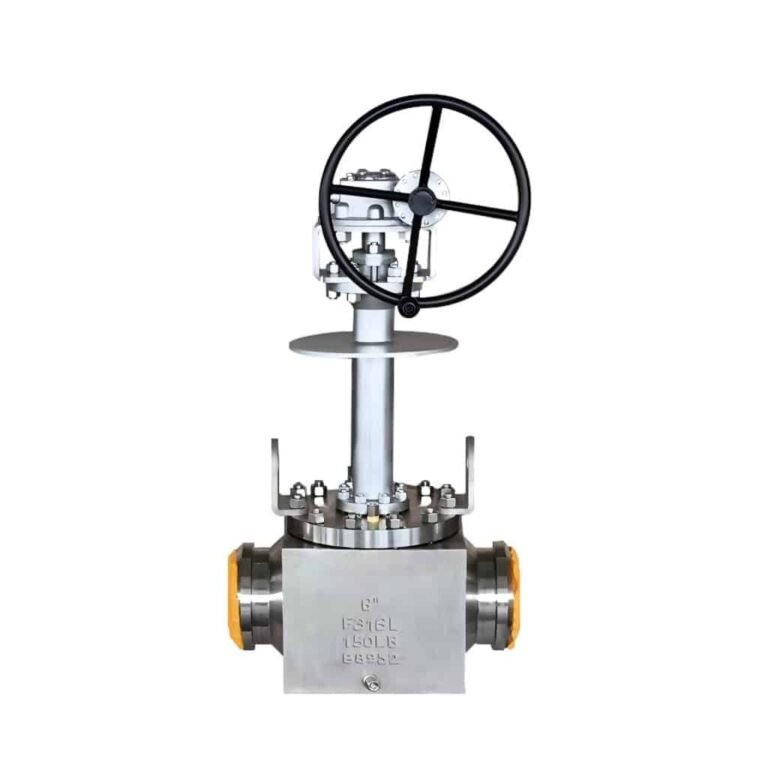
| Segmented ball or ball-sector valve | Modulating stock and basis-weight control | Open flow path, useful rangeability and rotary actuation | Segment geometry, seat design, actuator accuracy and wear |
| V-port ball valve | Controlled flow of low- or medium-consistency stock | Defined opening characteristic and compact construction | Fiber accumulation, required torque and seat compatibility |
| Butterfly control valve | Large-diameter, lower-consistency or water duties | Compact face-to-face dimension and low weight | Control range, disc interference, velocity and shutoff |
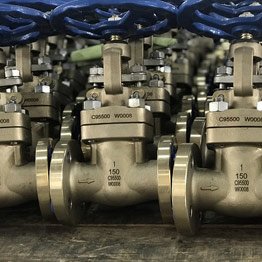
| Knife gate valve | Stock-line isolation | Gate can cut through fibrous media during closure | Generally selected for isolation rather than precise modulation |
| Globe or sliding-gate control valve | Steam, water and selected process-control duties | Predictable control characteristic in suitable clean service | Narrow passages and fiber-plugging risk in stock service |
No valve type is correct for every paper mill. The stock consistency, fiber length, freeness, fillers, contaminants and required control accuracy should determine the final design.
How Does Pulp Consistency Affect Valve Sizing?
Pulp consistency is the percentage of dry fiber in the stock suspension. As consistency increases, pulp behavior can depart from clean-water sizing assumptions. Fiber networks influence pressure loss and effective valve capacity, particularly at low differential pressure.
Published flow-control guidance indicates that stock below roughly 2% consistency can behave closer to water for sizing purposes, while higher consistency may require a pulp-stock correction factor. The correct factor depends on consistency, differential pressure and valve design. The supplier should size the valve from the actual operating points rather than applying a universal correction.
An oversized control valve may operate close to its seat, where small position changes cause unstable flow and fibers can collect. An undersized valve can consume excessive pressure, increase velocity and limit production. Proper sizing should cover minimum, normal and maximum conditions.
8 Selection Checks for a Paper Stock Flow Control Valve
- Stock consistency: Provide minimum, normal and maximum consistency rather than a single design value.
- Fiber properties: Identify fiber source, length, freeness, recycled content and tendency to form bundles.
- Solids and additives: State filler content, coating particles, sand, scale and other abrasive or clogging materials.
- Flow conditions: Provide minimum, normal and maximum flow together with upstream and downstream pressure.
- Control objective: Define whether the valve controls flow, consistency, blending ratio or paper basis weight.
- Valve characteristic: Confirm the required relationship between travel and flow, including the usable control range.
- Actuator performance: Specify pneumatic or electric actuation, positioner signal, resolution, deadband, fail position and operating speed.
- Maintenance needs: Review cleaning access, replaceable wear parts, packing adjustment and the space available for removal.
Why Are Actuator Accuracy and Mechanical Backlash Important?
A basis-weight control loop may command many small valve movements. Lost motion in the linkage, gearbox or actuator can prevent the closure member from reaching the requested position. The controller may then continue correcting, which can produce cycling and sheet-weight variation.
The complete assembly should therefore be evaluated as one control unit. Check actuator sizing at the maximum differential pressure, positioner resolution, shaft and coupling stiffness, bearing condition and actual valve-position feedback. Fast movement alone does not guarantee stable control; repeatable positioning is more useful.
Material and Trim Selection
Paper stock can cause abrasion, corrosion and fiber buildup. Body, closure member, shaft, seat and hardfacing materials should match the stock chemistry and solids content. Stainless steel or higher-alloy wetted components may be considered where corrosion is a concern, while hard coatings or wear-resistant trims may be needed for abrasive fillers.
Elastomer and packing selection should account for process chemicals, temperature, cleaning agents and washdown conditions. For bleaching chemicals, black liquor or white liquor, complete chemical compatibility requires a separate review because those services can be more corrosive than ordinary paper stock.
Information Required for Valve Sizing and RFQ
| RFQ item | Information to provide |
|---|---|
| Medium | Stock type, consistency, fiber length, freeness, fillers and chemicals |
| Operating data | Minimum, normal and maximum flow, pressure and temperature |
| Pipeline | Nominal size, schedule, end connection and installation orientation |
| Control duty | Required Cv or Kv, control range, characteristic and allowable pressure loss |
| Actuation | Power source, control signal, fail position, feedback and operating time |
| المواد | Body, trim, seat, packing, coating and corrosion requirements |
| Documentation | Applicable standards, testing, certificates, drawings and inspection requirements |
Common Specification Mistakes
- Selecting the valve only from pipe diameter
- Using water-based Cv or Kv calculations without checking stock consistency
- Ignoring minimum-flow operation and control range
- Using an isolation valve for continuous precision throttling
- Ignoring actuator backlash and positioner resolution
- Choosing materials without considering fillers, chemicals and cleaning media
- Failing to provide space for inspection and trim replacement
الأسئلة الشائعة
What Is the English Term for “Ventil Papierstoffmengenregelung”?
The most useful English terms are “paper stock flow control valve,” “paper stock quantity control valve” and, for a specific paper-machine loop, “basis-weight control valve.”
Which Valve Is Commonly Used for Paper Basis-Weight Control?
Segmented ball or ball-sector control valves are often considered because their rotary design can provide an open flow path and accurate modulation. Final selection depends on the stock and operating data.
Can a Knife Gate Valve Regulate Paper Stock?
A knife gate valve is commonly used for isolation in fibrous slurry service. It is generally not the first choice for continuous precision control unless the exact design is engineered and approved for that duty.
Can the Valve Be Sized Like a Water Valve?
At low stock consistency, water-based sizing may be a useful starting point. At higher consistency, valve capacity can require a pulp-stock correction based on differential pressure, consistency and valve geometry.
What Information Is Most Important for a Quotation?
Provide stock consistency, fiber properties, flow range, upstream and downstream pressure, temperature, pipe size, required control accuracy, materials and actuator details.
Discuss Your Pulp and Paper Valve Requirements
WDL Valve supplies industrial ball, butterfly, gate, globe, check and control valve solutions for pulp, paper, water, steam and chemical services. Final valve configuration depends on the stock characteristics and control duty. Review WDL Valve applications or send your process data through the WDL Valve contact page.
For additional engineering background, see Valmet’s pulp-stock flow-control guidance.
المؤلف: Wong WP, Sales Manager, Xiamen WDL Valve Co., Ltd.