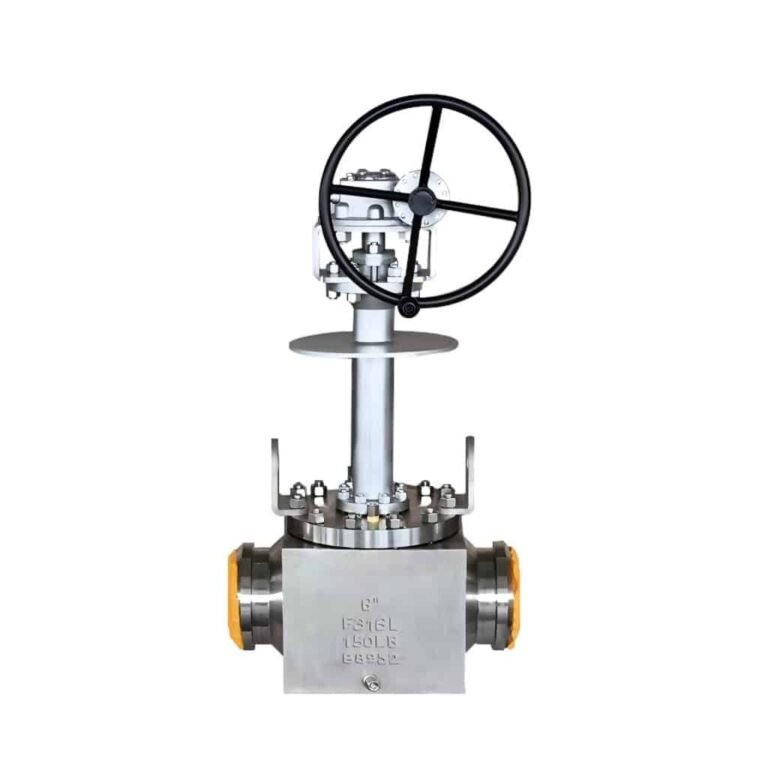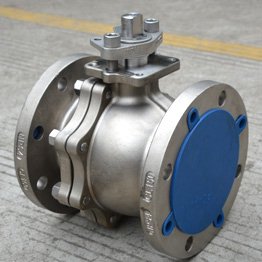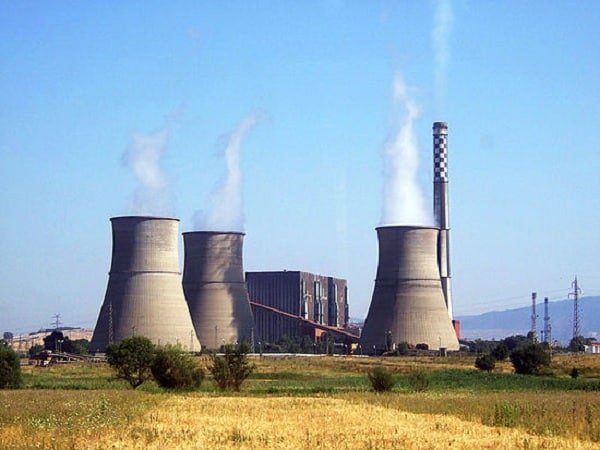
Клапаны для энергетики: области применения, типы и руководство по выбору
Power generation valves isolate equipment, regulate flow and prevent reverse flow in steam, feedwater, cooling water, condensate, fuel and auxiliary systems. Selecting the correct valve requires matching its pressure class, temperature rating, body material, trim, seat design and actuator to the exact operating point.
Клапан WDL supplies gate, globe, check, ball, butterfly and control valves for thermal, hydroelectric and industrial power plants.
Where Are Valves Used in a Power Plant?
Each plant system places different demands on a valve. Main-steam lines require high-temperature strength and reliable shutoff, while cooling-water systems often need economical large-diameter valves with low pressure loss.
| Plant System | Нагрузка клапана | Typical Conditions | Распространенные типы клапанов |
|---|---|---|---|
| Main and reheat steam | Isolation and regulation | High pressure, high temperature and thermal cycling | Gate, globe and control valves |
| Boiler feedwater | Isolation, throttling and pump protection | High pressure, velocity and possible cavitation | Запорные, шаровые, обратные и регулирующие клапаны |
| Condensate | Isolation and non-return | Temperature changes and low-pressure sections | Запорные, шаровые и обратные клапаны |
| Cooling water | Large-line isolation and flow control | Continuous service, corrosion and fouling | Двустворчатые, задвижки и обратные клапаны |
| Fuel gas and fuel oil | Tight isolation and controlled delivery | Flammable media and frequent operation | Ball, gate and control valves |
| Hydroelectric systems | Water isolation and turbine protection | Large diameters, high flow and water hammer | Butterfly, gate and control valves |
WDL Valves for Power Generation Service
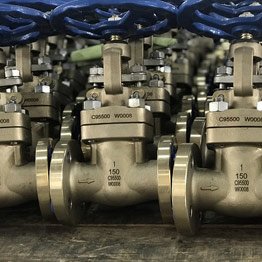
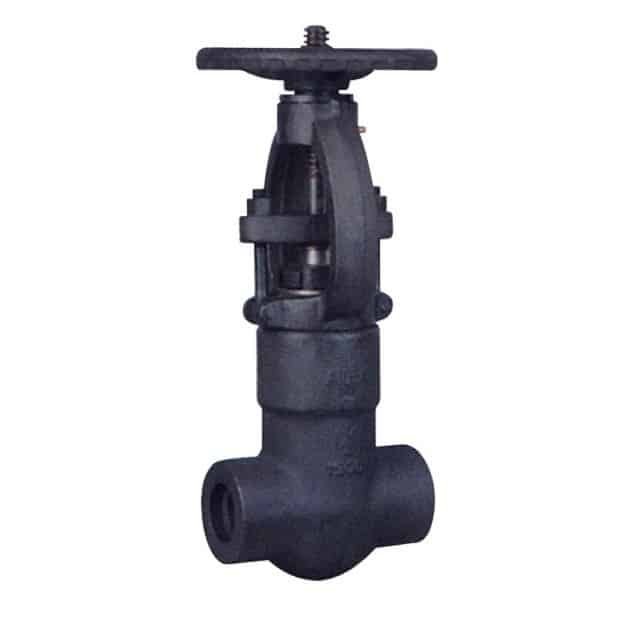
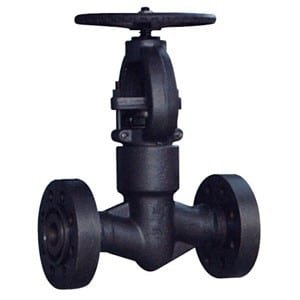
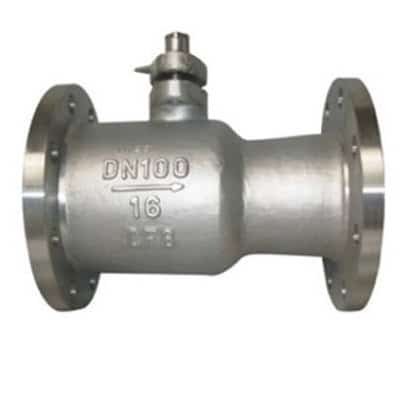
The following WDL products illustrate valve designs commonly considered for high-pressure, high-temperature, non-return and tight-isolation duties. Review our производитель клапанов из кованой стали capabilities for compact high-pressure gate and globe valve options. Final selection must be confirmed against the project datasheet.
Which Valve Types Are Used in Power Plants?
Задвижки
Gate valves provide full-bore isolation with low flow resistance. They suit main steam, feedwater and auxiliary pipelines but should normally operate fully open or fully closed rather than throttle continuously.
Запорные клапаны
Globe valves are well suited to throttling, bypass, drain and feedwater duties. Their flow path produces more pressure drop than a gate valve, but provides better regulation.
Обратные клапаны
Check valves close automatically when flow reverses. Correct sizing and closing characteristics help protect pumps, boilers and piping while reducing slam and water-hammer risk.
Шаровые краны
Ball valves offer quick operation and tight shutoff for fuel, drain and auxiliary systems. Metal seats may be required where temperature, particles or frequent cycling exceed the limits of soft seats.
Дисковые затворы
Butterfly valves are compact and economical for large cooling-water and hydroelectric lines. Double- or triple-offset designs can improve sealing and reduce seat wear in more demanding conditions.
How Should Power Generation Valves Be Selected?
- Define the medium: steam, water, condensate, fuel gas, fuel oil or chemical.
- Подтвердите расчетные условия: normal, maximum and transient pressure and temperature.
- Choose the function: isolation, throttling, non-return, pressure reduction or emergency shutdown.
- Select materials: carbon steel, chromium-molybdenum alloy steel, stainless steel or another specified alloy.
- Specify trim and seat: consider erosion, cavitation, corrosion, leakage class and cycling frequency.
- Choose actuation: ручное, электрическое, пневматическое или гидравлическое управление, включая положение при сбое и время закрытия.
| Selection Factor | Why It Matters | Information to Provide |
|---|---|---|
| Pressure and temperature | Determine pressure class, wall thickness and material strength | Design and operating values |
| Flow and pressure drop | Affect valve size, velocity, noise and cavitation | Minimum, normal and maximum flow |
| Shutoff requirement | Controls seat construction and leakage class | Required leakage standard or class |
| Эксплуатация | Determines actuator torque, speed and fail action | Cycle rate, power supply and control signal |
Materials, Seats and Severe-Service Risks
Carbon steel is widely used for general power-plant piping. Chromium-molybdenum alloy steels are often considered for elevated-temperature steam service, while stainless or higher alloys may be selected where corrosion or water chemistry requires them. Material suitability must always be checked against the applicable pressure-temperature rating.
Important risks include thermal expansion, rapid cycling, erosion, cavitation, flashing, water hammer and stem-packing leakage. A valve that is suitable at steady conditions may still fail early if startup, shutdown or upset conditions are ignored.
Valve design and ratings may be specified to recognized requirements such as ASME B16.34. Project specifications may also reference API, ISO or local requirements. For industry background, see the U.S. Energy Information Administration electricity overview и International Energy Agency hydropower overview.
Информация, необходимая для составления коммерческого предложения на клапаны
To receive an accurate valve proposal, provide the following information:
- Тип клапана, размер, класс давления и тип присоединения
- Medium and its composition
- Расчетные и рабочие давление и температура
- Body, trim, seat and packing requirements
- Flow rate or Cv where regulation is required
- Actuator type, power supply, control signal and fail position
- Applicable design, testing and inspection standards
Power Generation Valve FAQs
What valves are commonly used for main steam?
Gate valves are commonly used for isolation, while globe or control valves are used where flow regulation is required. The selected design must suit the maximum pressure, temperature and thermal cycle.
Why are self-sealing bonnets used in high-pressure service?
Pressure-seal or self-sealing bonnet designs use internal pressure to increase sealing force, making them suitable for certain high-pressure, high-temperature applications.
Which valve is suitable for cooling water?
Butterfly valves are often practical for large-diameter cooling-water lines, while gate and check valves are also used. Water chemistry, corrosion, fouling and installation environment determine the materials and coating.
How can valve cavitation be reduced?
Correct valve sizing, staged pressure reduction and suitable anti-cavitation trim can reduce damaging vapor-bubble collapse. The complete operating range should be evaluated, not only the normal flow point.
Какие данные необходимы компании WDL Valve для подбора оборудования?
Provide the medium, size, pressure class, pressure, temperature, flow, valve function, material, end connection, leakage requirement, actuation and applicable standards.
Discuss Your Power Plant Valve Application
WDL Valve can review your service conditions and recommend a suitable valve type, material, trim and actuation arrangement for thermal, hydroelectric or industrial power systems.