
Криогенный шаровой кран с боковым входом для систем СПГ: руководство по проектированию и выбору
A side entry cryogenic ball valve for LNG service
uses a two-piece or three-piece body, low-temperature materials
and an extended stem to provide reliable quarter-turn isolation
at temperatures down to −196°C. Correct seat design, body-cavity
relief and cryogenic testing are essential because trapped LNG
expands rapidly when it warms.
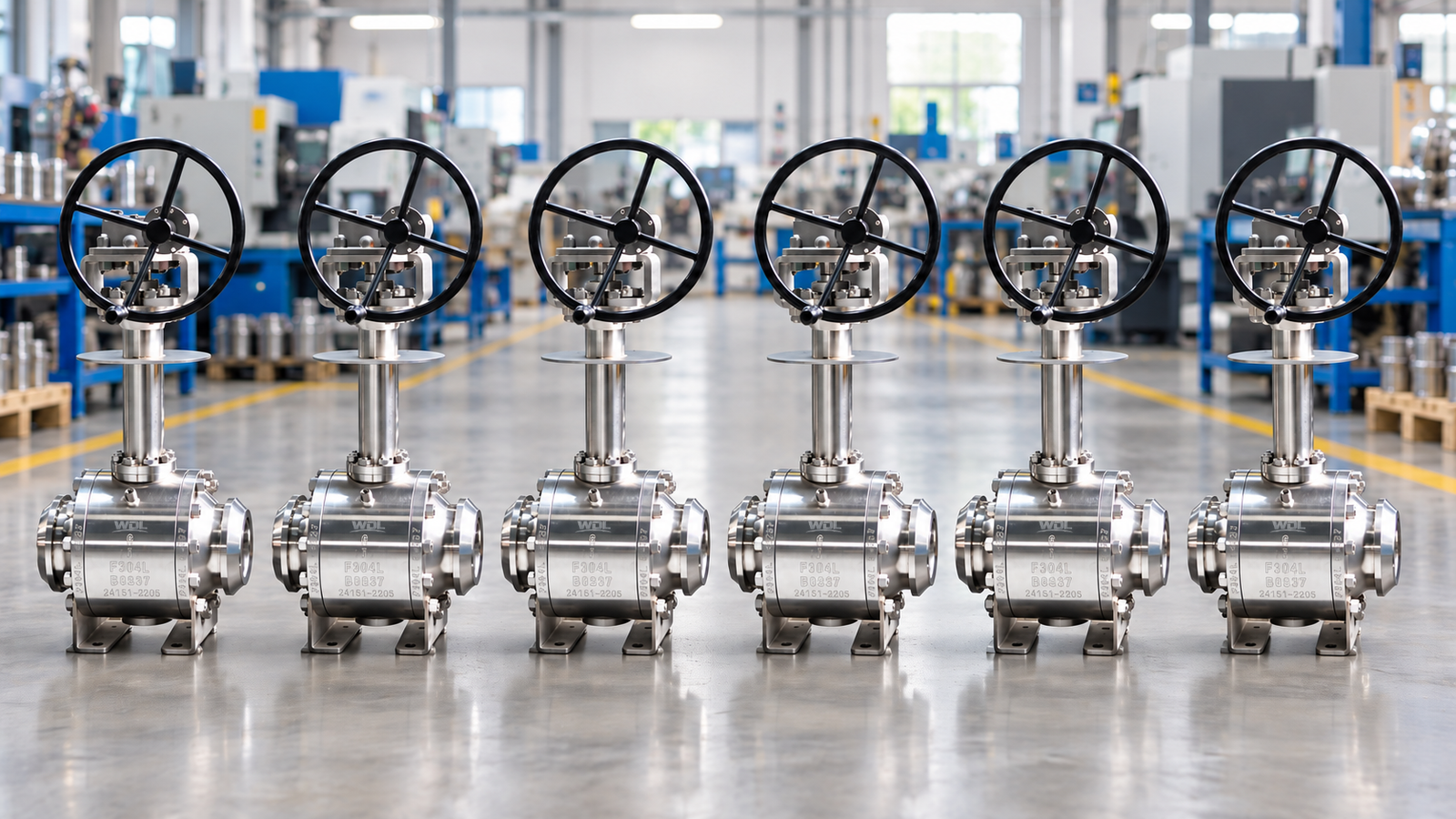
process isolation.
What Is a Side Entry Cryogenic Ball Valve?
A side entry cryogenic ball valve is assembled through body
sections that split across the pipeline axis. The construction
may use two or three main body pieces. This arrangement provides
a practical combination of pressure containment, manufacturing
flexibility and access to the ball and seats during workshop
maintenance.
The extended stem places the packing, operator and actuator above
the cold zone and pipe insulation. This limits heat transfer
toward the process and helps the stem packing remain at a
temperature where it can continue sealing effectively.
Why Does LNG Service Require a Special Valve Design?
LNG is normally handled near −162°C. At this temperature,
ordinary valve materials, seals and lubricants may contract,
harden or lose toughness. A valve that works at ambient
temperature may develop seat leakage, excessive torque or
stem-seal problems after cooling.
A cryogenic LNG valve must therefore account for thermal
contraction, low-temperature material toughness, heat transfer,
body-cavity pressure and repeated cooling and warming cycles.
The final design should be based on the minimum design
temperature rather than only the normal operating temperature.
Two-Piece vs. Three-Piece Side Entry Construction
| Точка отбора | Two-Piece Body | Three-Piece Body |
|---|---|---|
| Construction | Main body plus one body connector | Central body with two end connectors |
| Body joints | Fewer split-body joints | More assembly flexibility |
| Maintenance | Usually serviced after removal or workshop access | The center section may be easier to remove in suitable piping layouts |
| Selection basis | Pressure, size, leakage risk and project standard | Maintenance strategy, piping layout and project standard |
Neither arrangement is automatically better for every LNG
project. The correct choice depends on valve size, pressure
class, piping loads, available maintenance space, testing
requirements and the owner’s maintenance strategy.
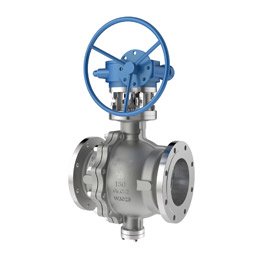
WDL Side Entry Cryogenic Ball Valve Range
WDL Valve publishes the following reference range for its
Криогенный шаровой кран с боковым входом для использования в системах СПГ
.
Final ratings and dimensions must be confirmed on the approved
project drawing.
| Пункт | Published WDL Specification |
|---|---|
| Size range | DN25–DN600 / NPS 1–24 |
| Body construction | Two-piece or three-piece side entry body |
| Концевые соединения | Flanged, threaded, socket weld or butt weld, subject to valve size and project requirements |
| Face-to-face | ASME B16.10 or project-specified standard |
| Диапазон температур | −196°C to +425°C, depending on material and seat selection |
| Cryogenic testing | BS 6364 or project-specified testing requirements |
| Эксплуатация | Рычаг, редуктор, пневматический привод или электрический привод |
| Материалы корпуса | CF8/F304, CF8M/F316, CF3/F304L, CF3M/F316L or special materials on request |
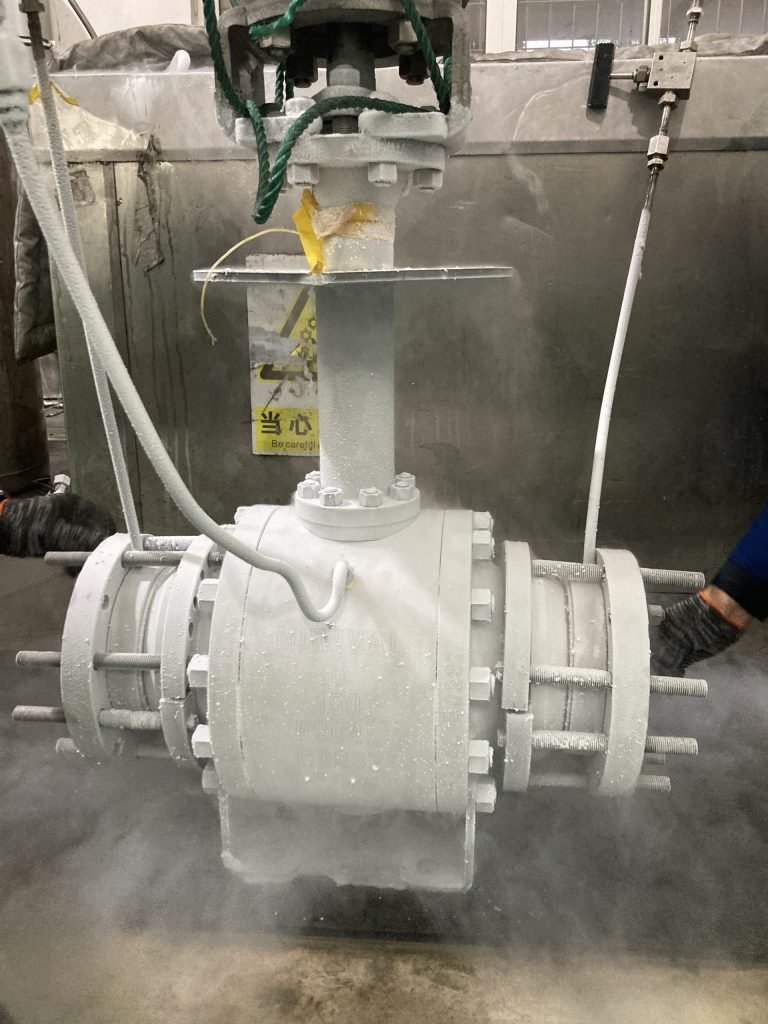
pipe insulation.
Which Design Details Matter Most in LNG Service?
Extended stem and packing location
The extension length must place the packing above the insulation
and expected frost line. This helps protect the packing and
provides enough space for the handwheel, gearbox or actuator.
Low-temperature material toughness
The body, stem, ball, bolting and pressure-containing parts must
remain suitable at the minimum design temperature. Material
certificates and impact-test requirements should be stated in the
inspection plan.
Seat contraction and leakage control
The ball, seat and seal materials contract at different rates
during cooldown. The seat design must maintain contact without
producing excessive operating torque.
Soft-seat and metal-seat designs should be selected according to
temperature, leakage requirements, operating frequency and fluid
cleanliness.
Body-cavity pressure relief
LNG trapped between closed seats can expand as it absorbs heat.
The valve needs an engineered cavity-relief arrangement, such as
a defined self-relieving seat direction, to prevent unsafe
pressure buildup.
Требования к пожарной безопасности и антистатическим свойствам
LNG is flammable. Fire-safe construction and electrical
continuity may be specified depending on the installation and
governing standard. The RFQ should identify the exact
qualification and certificate required.
Where Are Side Entry Cryogenic Ball Valves Used?
- LNG storage tank inlet and outlet lines
- Ship, truck and terminal loading systems
- LNG transfer and circulation pipelines
- Regasification and boil-off gas systems
- Cryogenic pump isolation and bypass lines
- Liquid nitrogen, oxygen and argon systems
- Air-separation and low-temperature chemical plants
What Testing Should Be Specified?
Ambient pressure testing alone does not demonstrate that a valve
will seal and operate correctly at LNG temperature. The project
should define whether cryogenic type testing, production testing
or both are required.
- Shell and seat pressure testing
- Cryogenic cooldown and leakage testing
- Operating-torque or functional testing at low temperature
- Material identification and impact testing
- Nondestructive examination of pressure-containing parts
- Fire-safe and fugitive-emission evidence when specified
- Cleaning, drying and sealed-packaging records
ISO 28921-1:2022
addresses design, materials, manufacturing and production testing
for industrial isolation valves used from −50°C down to −196°C.
The purchase specification should identify the required standard,
edition and any owner-specific additions.

and cryogenic inspection requirements.
What Information Should an LNG Valve RFQ Include?
- Valve size, pressure class and bore requirement
- Normal operating and minimum design temperature
- Maximum operating and design pressure
- Fluid composition and possible contaminants
- Two-piece or three-piece body preference
- Конструкция с плавающим шариком или на цапфе
- Стандарт на торцевое соединение и расстояние между торцами
- Body, ball, stem, seat, packing and bolting materials
- Cavity relief, seat direction and leakage requirements
- Ручное, пневматическое или электрическое управление
- Cryogenic, fire-safe and emission requirements
- Required drawings, certificates and inspection documents
Часто задаваемые вопросы
What is the lowest published temperature for the WDL valve?
WDL publishes a minimum temperature of −196°C. The final allowable
limit depends on the material, seat, packing, pressure rating and
approved project design.
Why is an extended stem required?
The extended stem moves the packing and operating mechanism away
from the cold process zone and above the pipe insulation, helping
control frost and stem leakage.
Can a standard ball valve be used for LNG?
A standard ambient-temperature ball valve should not be assumed
suitable. LNG service requires verified low-temperature
materials, seals, cavity relief, stem extension and appropriate
cryogenic testing.
Is a soft seat or metal seat better?
A soft seat is often selected for tight shutoff in clean LNG
service. A metal seat may be needed for particles, severe cycling,
wear or specific fire and temperature conditions. The process
datasheet determines the correct choice.
What documents can be requested?
Typical documents include material certificates, pressure-test
reports, cryogenic test records, NDE reports, fire-safe or
emission evidence, cleanliness records and approved drawings.
Один комментарий