Titanium Valves for Chlor-Alkali Service
Updated: October 27, 2026 | Technical review by Wong WP, Sales Manager, Xiamen WDL Valve Co., Ltd.
Titanium valves for chlor-alkali service can be effective in wet chlorine, chloride brines and many oxidizing chlorine compounds because titanium develops a protective oxide film. Titanium is unsafe as a blanket choice for dry chlorine and may be unsuitable in reducing acids or severe crevice conditions. Selection must begin with full chemical composition, moisture, concentration, temperature, pressure and contaminants.
Why is titanium valve selection timely for chlor-alkali plants?
On September 29, 2026, thyssenkrupp nucera announced a new large-scale chlor-alkali project in Northwest China. New capacity and plant modernization create demand for valves that match each process stream rather than a single plant-wide material rule.
- 10/2026: this guide separates wet chlorine, dry chlorine, brine, hypochlorite and caustic duties.
- 09/2026: a new chlor-alkali project order provided a fresh market signal for corrosion-resistant equipment selection.
Where do titanium valves for chlor-alkali service work?
Titanium is widely used in chloride-bearing and oxidizing environments, but the word “chlorine” is not enough to approve a material. TIMET’s Corrosion Resistance of Titanium guide reports very low corrosion rates for titanium in wet chlorine and warns that dry chlorine can cause rapid attack and possible ignition. TIMET also notes that temperature, pressure, gas flow and damage to the oxide film affect the moisture required for passivation.
| Process stream | Titanium screening view | Data required before selection |
|---|---|---|
| Wet chlorine gas | Often considered because moisture supports passivation | Minimum moisture, temperature, pressure, flow and shutdown conditions |
| Dry chlorine gas | Potentially hazardous; do not specify titanium by default | Verified dryness under normal, startup, shutdown and upset conditions |
| Concentrated brine | Often suitable, subject to crevice and contaminant review | Chloride, pH, temperature, oxidizers, deposits and crevice geometry |
| Hypochlorite or chlorate solution | Often considered in oxidizing solution service | Concentration, temperature, pH and decomposition conditions |
| Caustic soda | Compatibility is concentration- and temperature-dependent | NaOH concentration, temperature, contaminants and water content |
Why are wet and dry chlorine different?
Moist chlorine supports formation and repair of titanium’s passive oxide film. Very dry chlorine may not sustain that protection. The dangerous case can arise during drying, purging, startup, shutdown or an upset even when normal operation is wet. A valve material review must therefore use the minimum credible moisture content rather than the normal average alone.
Do not copy a single moisture threshold from a handbook into a purchase order. Laboratory values depend on temperature, pressure, flow and surface condition. Ask the process licensor or corrosion engineer to define the acceptable envelope and abnormal scenarios.
Which titanium valve type fits each duty?
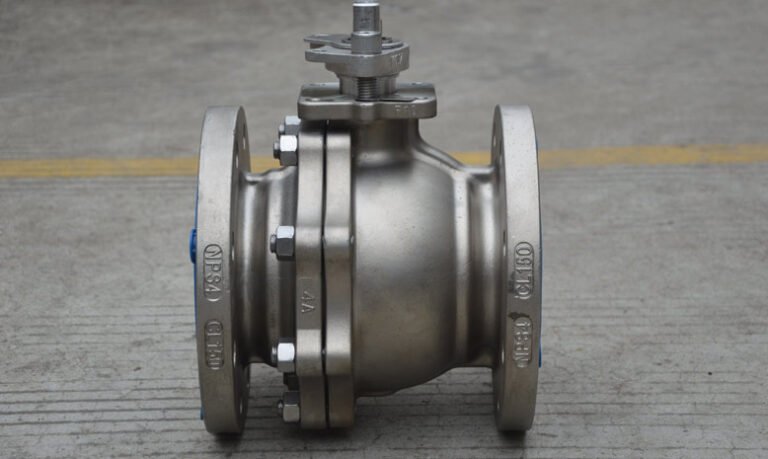
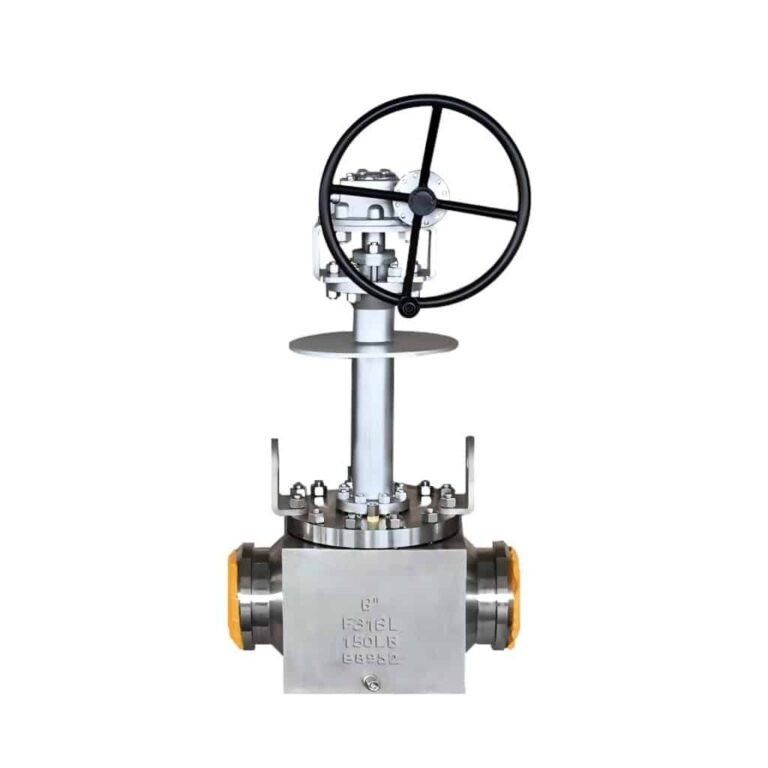
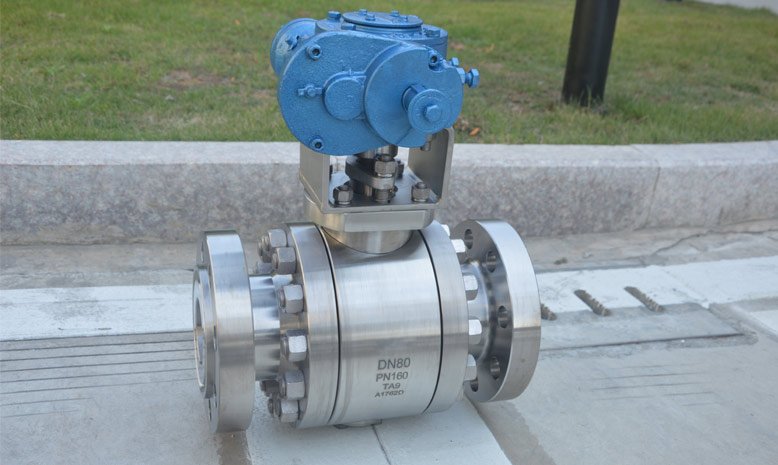
A van bi titan gives quarter-turn isolation and a relatively direct flow path. Review body-cavity relief, seat compatibility and trapped chemical before using it in a reactive service.
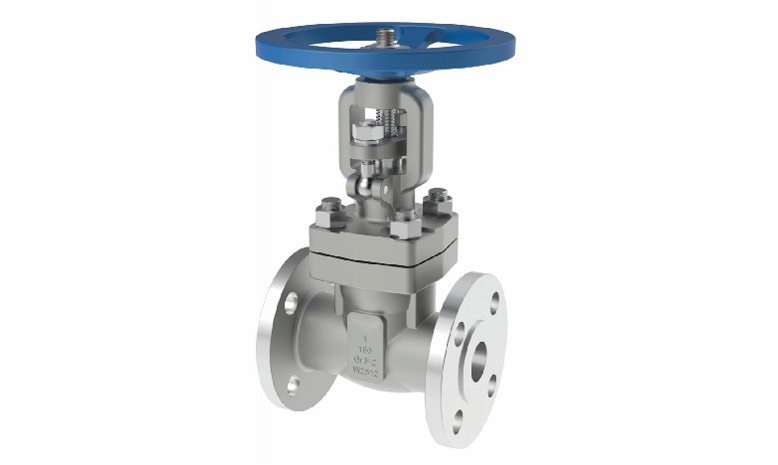
A titanium gate valve suits full-open or full-closed isolation with low pressure loss. It is not normally chosen for continuous throttling. Deposits and crystallization around the seating area require attention.
A titanium globe valve is useful when manual throttling or controlled pressure drop is required. Provide minimum, normal and maximum flow plus allowable pressure drop so the trim is selected for velocity and erosion.
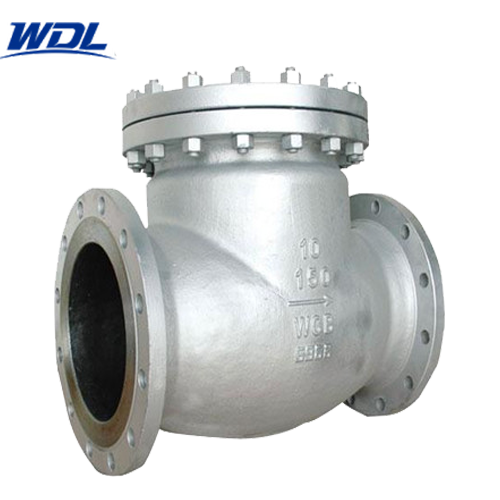
A titanium check valve protects against reverse flow. Orientation, cracking pressure, minimum velocity and transient response matter as much as alloy choice.
What can fail even when the titanium body is compatible?
Seats, packing, gaskets, coatings and actuator seals may see the same chemical as the body. PTFE-based materials are often considered for chlorine-related service, but grade, filler, permeability, cold flow, temperature and pressure must be checked. Elastomers require separate chemical and decompression review.
Crevice corrosion can occur at gasket faces, deposits, threaded areas and tight metal-to-metal gaps when chemistry and temperature become unfavorable. Galvanic coupling to dissimilar metals can accelerate attack of the less noble material. Design the complete wetted assembly, including fasteners and adjacent piping, rather than specifying only a titanium body.
How should titanium grade and construction be specified?
Commercially pure titanium grades are common in process equipment, while alloyed or palladium-bearing grades may be evaluated for particular crevice or reducing conditions. Grade selection needs corrosion data for the actual chemical envelope and a review of mechanical strength, casting or wrought product form, welding, repair and availability.
State whether construction must be solid titanium, titanium-clad or titanium-lined, and identify every wetted part. A generic phrase such as “titanium valve” does not define the ball, gate, disc, stem, seat retainer, fasteners or sealing materials. The manufacturer should provide a bill of materials and material traceability for the accepted design.
Which inspections and tests should buyers request?
- Material certificates for pressure-containing and specified wetted parts.
- Positive material identification when required by the project.
- Approved welding and repair procedures for the selected titanium grade and product form.
- Visual and nondestructive examination defined by the valve and project specifications.
- Shell and seat pressure tests with compatible, controlled test media.
- Cleanliness, drying and packaging requirements for chlorine service.
- Seat-leakage acceptance, operating test and actuator functional test.
- A final dossier linking heat numbers, drawings, procedures and test reports to valve tags.
Test-fluid residues can contaminate a chlorine system or create unexpected chemistry. Define water quality, chloride limits, drying and preservation with the owner’s process-safety team.
Titanium chlor-alkali valve RFQ checklist
- Chemical names, concentrations, pH and all credible contaminants.
- Minimum moisture in chlorine gas during normal and abnormal operation.
- Operating, design, startup, shutdown and cleaning temperatures.
- Pressure, vacuum, flow rate, solids and cycling frequency.
- Valve function, type, size, rating, end connections and actuator.
- Required titanium grade and whether every wetted component is included.
- Vật liệu làm ghế, vật liệu đóng gói, gioăng và vật liệu bu-lông.
- Cleaning, testing, inspection, marking and documentation requirements.
Frequently asked questions about titanium valves for chlor-alkali service
Can titanium valves handle wet chlorine?
Titanium is widely used in moist chlorine because the oxidizing, wet environment supports a protective passive film. Confirm minimum moisture, temperature, pressure, flow and upset cases before selection.
Can titanium valves handle dry chlorine?
Dry chlorine can attack titanium rapidly and may create an ignition hazard. Do not specify titanium for dry chlorine without a formal materials and process-safety review.
Is titanium suitable for every chlor-alkali stream?
No. Brine, chlorine, hypochlorite and caustic soda have different chemistry, concentration and temperature limits. Review each stream separately.
Which valve type is best for brine isolation?
Ball or gate valves may suit isolation, depending on bore, solids, deposits, cycling and leakage requirements. The selected titanium grade and all nonmetallic seals must match the brine conditions.
What information is most often missing from a titanium valve RFQ?
Minimum moisture, contaminants, cleaning chemicals and abnormal operating conditions are commonly omitted. Those details can change the material decision.