数据中心冷却阀选型:7项必查要点
Data center cooling valve selection begins with the cooling loop, fluid, design conditions and valve duty. Chilled-water, condenser-water and liquid-cooling circuits do not always share the same pressure, water chemistry or materials. Specify each valve for its actual location instead of choosing by size or valve type alone.
Quick Answer: How Do You Select Data Center Cooling Valves?
Identify the loop and fluid, then confirm design flow, pressure, temperature, pressure drop, shutoff requirement, material compatibility, connection, actuation and maintenance access. Use isolation valves for equipment service, control valves for modulating flow, and check valves where reverse flow is a concern. Verify the complete configuration against the project datasheet and applicable standards.
This process applies to cooling-water valves around chillers, pumps, heat exchangers, coolant distribution units (CDUs) and rack branches. It is an engineering selection guide; the final valve specification must match the facility design.
Where Are Valves Used in Data Center Cooling Systems?
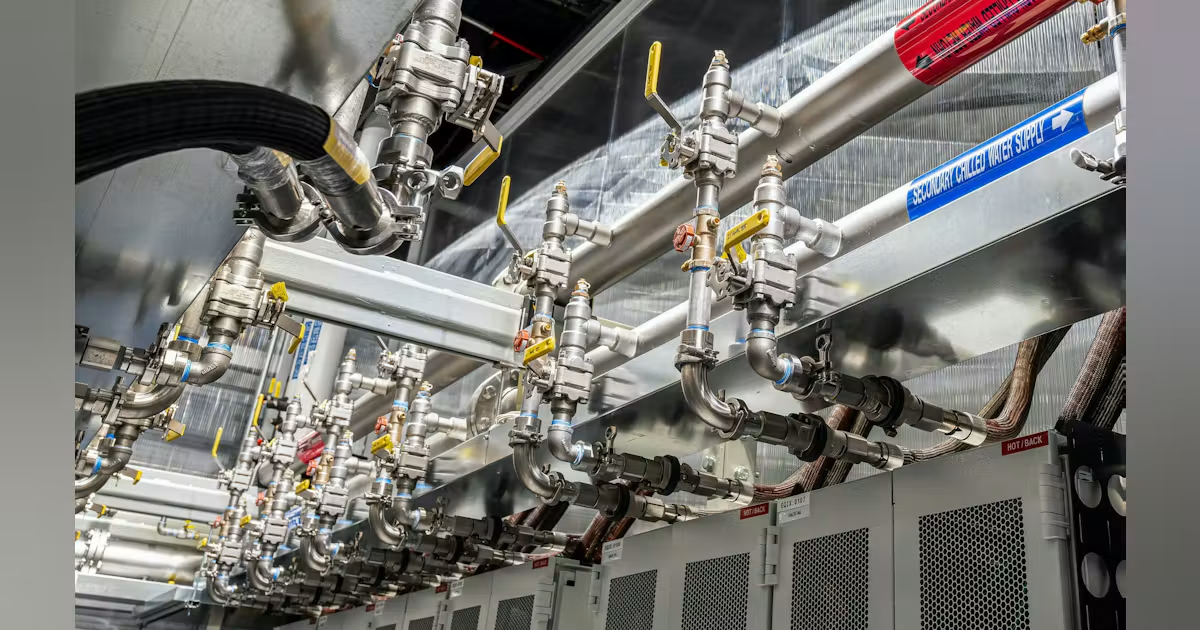
Valves are installed at equipment connections and branch lines to isolate components, control circulation and prevent unwanted flow. Common locations include chiller and pump connections, heat-exchanger lines, CDU supply and return, bypasses and rack-level circuits.
Some CDUs separate the facility water loop from the technology cooling loop through a heat exchanger. Other system layouts differ. The fluid, pressure, temperature and cleanliness requirements on each side must be checked independently. A valve suitable for facility chilled water is not automatically suitable for a secondary loop or proprietary coolant.
Which Valve Type Fits Each Cooling Duty?
| Valve duty | Typical options | Key checks |
|---|---|---|
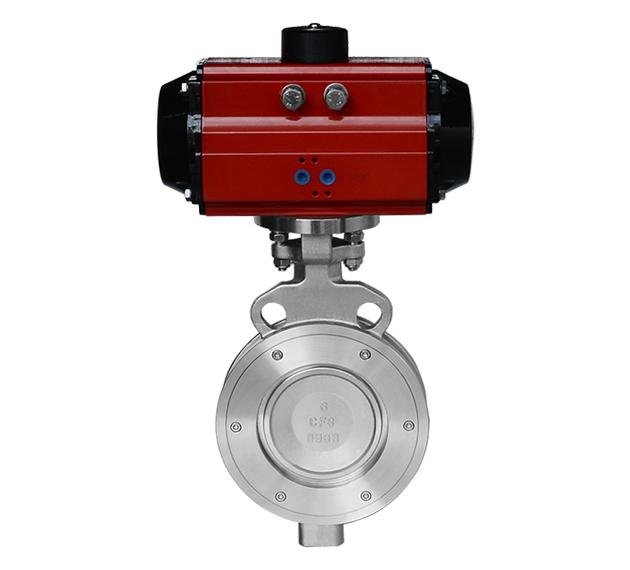
| Equipment isolation at chillers, pumps or heat exchangers | Butterfly, ball or gate valve | Shutoff requirement, pressure rating, available space and access |
| Modulating flow in a branch or bypass | Control or globe valve; butterfly valve where specified | Flow range, differential pressure, control signal and stability |
| Pump discharge or reverse-flow prevention | Check valve | Opening pressure, installation orientation, velocity and water hammer |
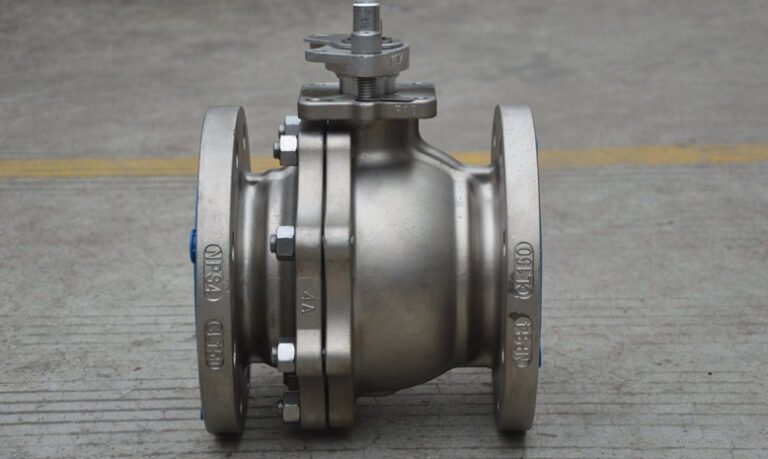
| CDU or rack-loop isolation | Ball or other compact isolation valve | Fluid compatibility, leakage criteria, end connection and service plan |
These are common options, not a universal design rule. Confirm the valve’s pressure-temperature rating, flow characteristics, connection standard and fluid compatibility for the specific project.
7 Checks for Data Center Cooling Valve Selection
- Map the cooling circuit. State whether the valve serves chilled water, condenser water, a CDU primary or secondary side, or a rack-level circuit. Include a P&ID or marked-up drawing when available.
- Identify the exact fluid. List water-treatment chemicals, glycol type and concentration, or proprietary coolant. Compatibility review should cover the body, disc or ball, stem, seat, seals, packing and lubricant.
- Provide operating conditions. Specify normal and design pressure and temperature, minimum and maximum flow, differential pressure, startup conditions and credible upset cases.
- Separate isolation from control. An on/off isolation valve is not automatically suitable for throttling. For modulating duty, provide the required flow range, control method and acceptable pressure loss.
- State leakage and shutoff needs. Give the required leakage class or project acceptance criteria and the differential pressure at which shutoff is expected. Avoid vague terms such as “tight shutoff” without a defined requirement.
- Define actuation and signals. Specify manual, electric or pneumatic operation, control voltage or signal, position feedback, operating time and required fail position. Coordinate automated isolation with the facility control sequence.
- Plan service and redundancy. Check actuator and handwheel clearance, access for inspection, replaceable parts and isolation boundaries. Confirm maintenance will not unintentionally disable a redundant cooling path.
How Do You Choose Materials for Cooling Water Valves?
Material selection depends on fluid chemistry, concentration, temperature, pressure, flow velocity and external environment. Review all wetted parts, not only the valve body. For glycol mixtures, treated water or deionized water, ask the supplier to confirm compatibility for the exact fluid quality and operating range. Do not assume that a material suitable for ordinary water is suitable for every liquid-cooling loop.
Also specify coatings and external corrosion protection where valves are installed outdoors, in coastal environments or in humid plant rooms. If the coolant formulation may change during the equipment life, include that possibility in the compatibility review.
What Should a Cooling Valve RFQ Include?
A clear request for quotation helps prevent mismatched valves and delays. Include:
- Valve type, size, quantity and installation location
- Fluid name, concentration, cleanliness and water-treatment details
- Design pressure, temperature, flow and differential pressure
- Body, trim, seat, seal and coating requirements
- End connection, face-to-face dimensions and applicable standards
- Isolation or modulating duty, shutoff criteria and leakage requirement
- Actuator type, control signal, feedback and fail position
- Inspection, testing, documentation and delivery requirements
For control valves, include the required flow data and operating range so the supplier can review sizing. For automated isolation, provide the control-system interface and intended operating sequence.
Frequently Asked Questions About Data Center Cooling Valves
Are butterfly valves suitable for data center cooling water?
Butterfly valves may be considered for some larger-bore isolation or flow duties. Suitability depends on required shutoff, pressure drop, control performance, fluid compatibility, pressure rating and project specification. Confirm the duty with the design engineer and manufacturer.
Can one valve specification be used on both sides of a CDU?
Not automatically. The two sides may have different fluids, pressures, temperatures, cleanliness limits and connections. Specify and verify each side separately.
Should cooling valves close automatically when a leak is detected?
Automatic isolation can be part of a leak-response plan, but the sensors, isolation zone, response time, valve fail position and impact on redundant cooling must be designed together. The valve alone does not provide leak detection.
What details help a manufacturer recommend a valve?
Send the valve datasheet or project conditions: fluid and concentration, size, pressure, temperature, flow, duty, materials, connection, actuation and applicable standards. Drawings and the control sequence are useful for automated valves.
Discuss Your Data Center Cooling Valve Requirements
WDL Valve supplies industrial valve types including butterfly, gate, ball and check valves. The correct design and materials depend on the project datasheet; request a technical review before specifying a valve for a cooling loop.
Explore WDL Valve’s butterfly valve range or contact WDL Valve with your operating conditions. For industry context, read recent coverage from Valve World on leak isolation for liquid-cooled data centers.