صمامات معالجة المواد الكيميائية الدقيقة
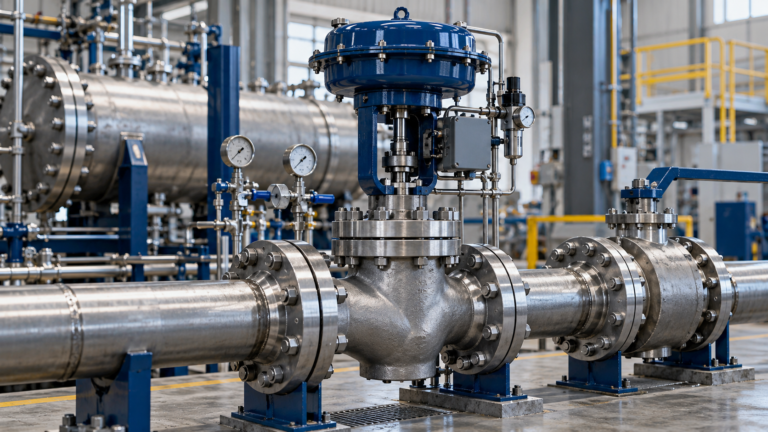
Fine chemical processing valves control corrosive, toxic and
high-purity media in reactors, dosing systems, transfer lines and
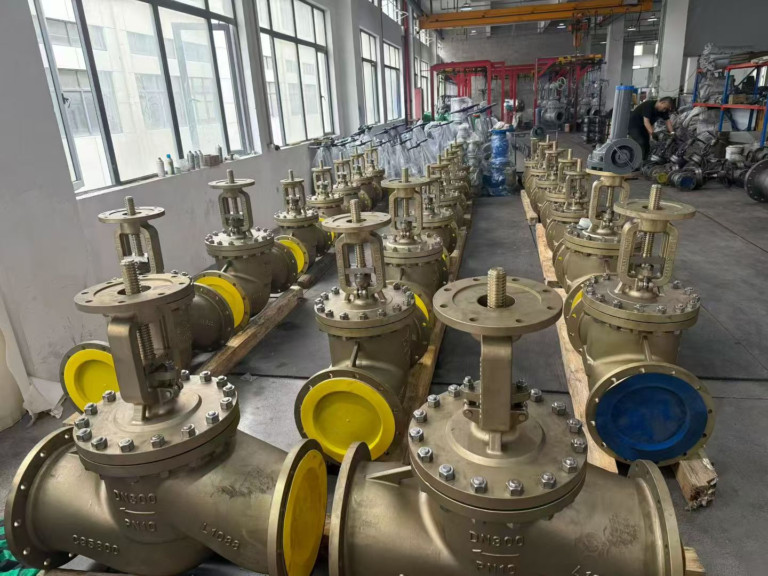
utility systems. WDL Valve supplies ball, butterfly, diaphragm,
globe, needle and control valves with metallic or lined construction
selected for the actual chemical process.
Where Are Fine Chemical Valves Used?
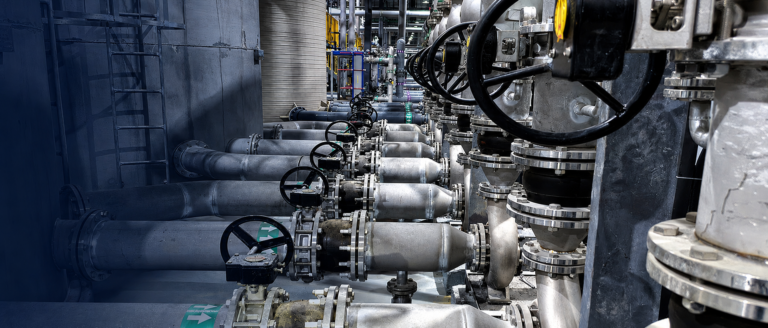
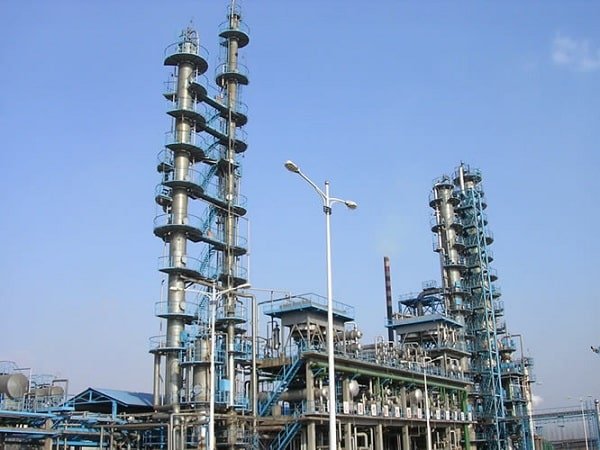
Fine chemical processing valves are used for raw-material feeding,
reactor isolation, chemical dosing, sampling, product transfer,
cleaning and utility control. Typical media include acids, alkalis,
solvents, catalysts, additives and high-purity liquids.
Each valve must match the chemical composition, concentration,
temperature and pressure. Leakage limits, cleaning procedures,
suspended particles and operating frequency also affect the final
valve design.
Which Valve Type Should Be Selected?
| نوع الصمام | Main Function | Typical Application |
|---|---|---|
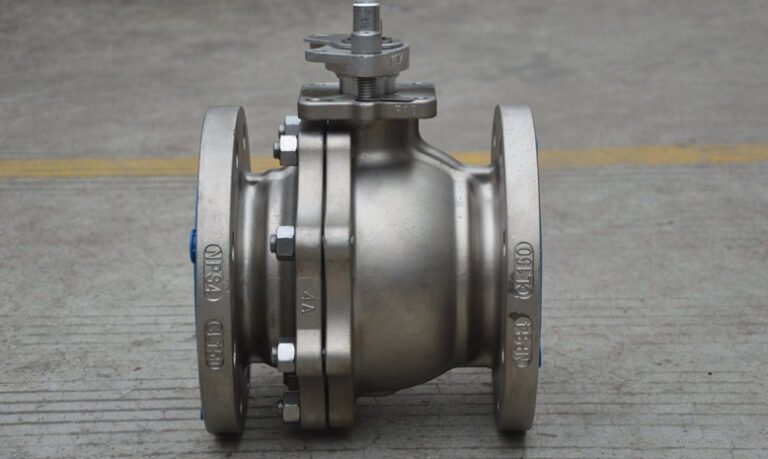
| Ball valve | Tight isolation with low pressure loss | Chemical transfer and reactor isolation |
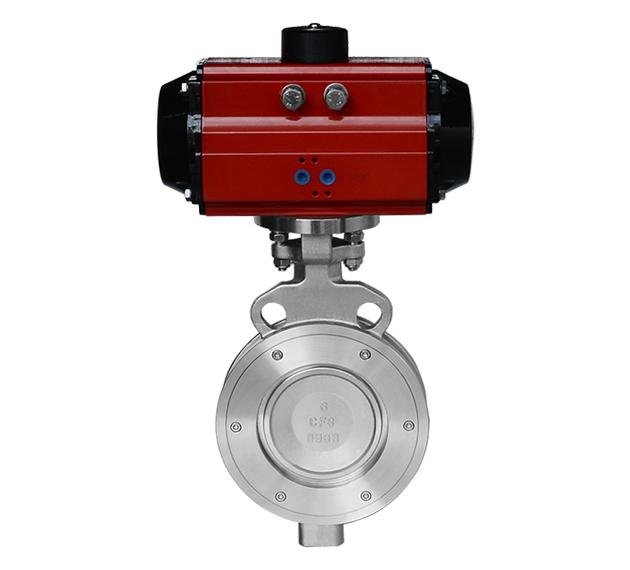
| Butterfly valve | Compact isolation and flow control | Large process and utility pipelines |
| Diaphragm valve | Isolates the medium from moving stem parts | Corrosive, toxic and high-purity fluids |
| Globe valve | Manual throttling and isolation | Steam, solvents and process utilities |
| Needle valve | Fine adjustment of small flow rates | Sampling, instruments and dosing lines |
| Control valve | Automatic flow or pressure regulation | Reactor feed and automated process systems |
Materials for Corrosive Chemical Service
Common valve materials include stainless steel, duplex stainless
steel, titanium, zirconium, nickel, Monel, Hastelloy and other
corrosion-resistant alloys. PTFE, PFA or other lined construction
may be considered when metallic materials are unsuitable for the
process medium.
Material selection must consider the complete chemical composition.
A material that resists a pure acid may behave differently when the
process also contains water, chlorides, oxidizers or other chemicals.
Concentration and temperature must therefore be provided together.
How to Select a Fine Chemical Processing Valve
- Provide the chemical name, concentration and possible impurities.
- Confirm operating and design pressure and temperature.
- State whether the medium is toxic, flammable or high purity.
- Define the required shutoff or leakage performance.
- Check cleaning, sterilization and flushing requirements.
- Select manual, pneumatic or electric actuation.
- Confirm valve size, connection, material and applicable standard.
الأسئلة الشائعة
Which valve is suitable for corrosive chemicals?
Lined ball, lined butterfly, diaphragm and special-alloy valves are
common options. The correct valve depends on chemical composition,
concentration, temperature, pressure and required shutoff.
When should a lined valve be considered?
A lined valve may be considered when the process medium is strongly
corrosive to conventional metallic materials and the selected lining
is compatible with the temperature, pressure and operating cycle.
Can fine chemical valves be automated?
Fine chemical valves can use pneumatic or electric actuators for
dosing, batch control, remote isolation and emergency shutdown.
Actuator selection should include torque, cycle frequency and the
required fail-safe position.
Discuss Your Fine Chemical Valve Application
Send WDL Valve your medium composition, concentration, temperature,
pressure and valve requirements for material review and quotation. For corrosion-resistant options, review our شركة مصنعة لصمامات سبائك النيكل overview, plus dedicated هاستيلوي, titanium و zirconium valve pages.
Related Corrosion-Resistant Valve Options
For aggressive chemical service, compare the صمام كروي فائق الأوستنيتي, Super Austenitic Globe Valve و صمام فحص فائق الأوستنيتي. Final material selection should be based on medium concentration, temperature, pressure and corrosion data.