API 6D 25th Edition Errata 4: Valve Buyer Guide
Updated: October 27, 2026 | Technical review by Wong WP, Sales Manager, Xiamen WDL Valve Co., Ltd.
API 6D 25th Edition Errata 4 should be treated as a document-control update, not as a new edition of API 6D. Valve buyers should obtain the official errata from API, identify which project documents are affected, and make the applicable edition, addenda and errata explicit in the purchase order. This prevents a supplier, purchaser and inspector from working to different document sets.
What changed in October 2026?
الـ API Monogram and APIQR latest-updates page lists “Spec 6D, 25th ed., Errata 4, October 2026.” API also maintains a general addenda and errata page. This article does not reproduce or interpret individual corrections without the controlled API document. Its purpose is to show purchasers how to incorporate an official correction safely into a valve order.
- 10/2026: API listed Errata 4 for API 6D, 25th edition.
- 06/2025: ISO published ISO 14313:2025 as a supplement to API 6D, 25th edition.
What should a buyer do with API 6D 25th Edition Errata 4?
Start with the contract hierarchy. Record the standard edition, every applicable addendum and erratum, the project valve specification, data sheet, requisition and approved deviations. If the project started before October 2026, the owner or engineering contractor should decide whether Errata 4 applies to open inquiries, placed orders, valves in manufacture and completed documentation. Do not let a supplier make that contractual decision alone.
A practical purchase-order statement identifies the exact controlled documents and their dates. It should also say which document takes precedence if API 6D, a project specification and a data sheet conflict. Ask every bidder to confirm compliance or list deviations line by line.
Which valve documents should be rechecked?
| Document | Buyer check | Evidence to retain |
|---|---|---|
| Valve data sheet | Valve type, bore, pressure class, end connection, seat arrangement and operation | Approved data sheet and deviation list |
| Design documents | Applicable design calculations, drawings and purchaser-specified design validation | Approved drawings and document register |
| Material records | Body, closure, stem, trim, bolting and nonmetallic materials match the order | Material certificates and traceability record |
| Inspection and test plan | Hold points, pressure tests, leakage acceptance, NDE and witness requirements | Signed ITP and test reports |
| Marking and final dossier | Nameplate, tagging, manuals, certificates and final as-built status | Manufacturing record book index |
How does the review differ by valve type?
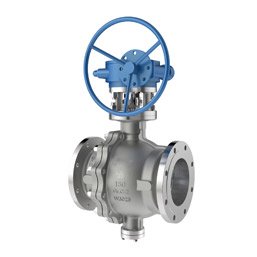
For الصمامات الكروية, confirm the bore, ball support, seat arrangement, cavity-pressure relief direction, drain and vent connections, antistatic provisions, injection fittings and actuator interface. Large or actuated valves also require reviewed torque data and lifting instructions.
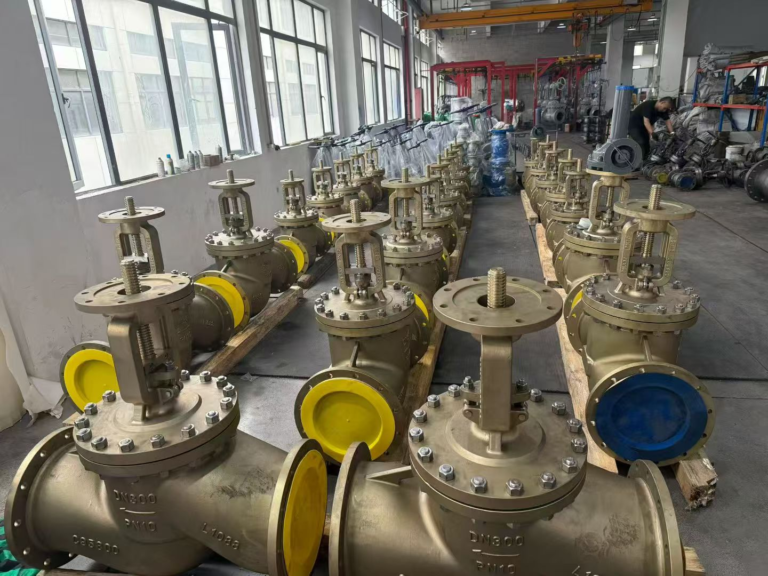
For gate valves, confirm the gate design, stem arrangement, seat construction, body-cavity connections and the suitability of the valve for full-open or full-closed service. A gate valve should not be presented as a general throttling valve.
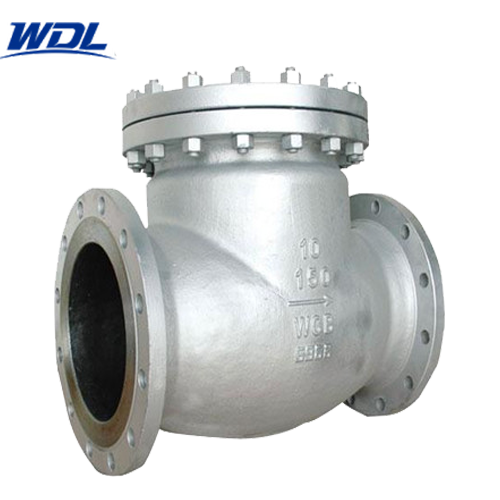
For check valves, document flow direction, installation orientation, closure mechanism, minimum operating-flow considerations and dynamic risks such as slam. Buyers can review WDL’s صمام فحص متأرجح وفقًا لمعيار API 6D / BS 1868 و صمام فحص متأرجح H44H وفقًا لمعايير ASME as product references; final compliance depends on the ordered configuration and approved documents.

Does Errata 4 automatically change an existing purchase order?
No. Publication of an erratum does not by itself rewrite a commercial contract. The owner, engineering contractor, purchaser and supplier should review the contract, agree the applicable document status and record any change through the project’s formal change-control process. The review should include cost, schedule, design, documentation and inspection effects.
For new inquiries, use the latest official document set required by the owner. For an order already in manufacture, issue a written clarification before changing drawings or procedures. For completed valves, compare the approved manufacturing record against the accepted contract baseline before requesting rework or retesting.
How does ISO 14313:2025 relate to the API 6D review?
ISO 14313:2025 defines requirements for the design, manufacturing, materials, welding, quality control, assembly, testing, documentation and process control of pipeline valves. ISO states that the document supplements API 6D, 25th edition, with additions. A project that invokes ISO 14313 therefore needs a controlled copy of both documents and a clear rule for handling later API addenda or errata.
Do not assume API 6D Errata 4 changes ISO 14313 automatically. The purchaser should state the adopted document set. Likewise, hydrogen-specific requirements, fire testing, sour-service materials or fugitive-emission testing need their own explicit project references; they are not implied merely by citing Errata 4.
WDL’s onshore oil and gas valve guide provides additional application context for pipeline, terminal, pump-station and utility valve duties.
API 6D 25th Edition Errata 4 purchase checklist
- Download the official errata from API and record its date.
- List the API 6D edition, addenda and errata in the requisition and purchase order.
- Define precedence among the standard, project specification and data sheet.
- Ask bidders for a signed compliance statement and a complete deviation list.
- Review affected drawings, calculations, materials, procedures and test plans.
- Confirm inspection hold points before manufacturing reaches them.
- Record approved changes in the document register and final manufacturing dossier.
- Verify markings, manuals and certificates against the accepted baseline before shipment.
Frequently asked questions about API 6D 25th Edition Errata 4
Is Errata 4 a new edition of API 6D?
No. API lists Errata 4 under the 25th edition. The 25th edition remains the referenced edition, with the applicable errata and addenda identified separately.
Can I use a blog post instead of the official errata?
No. Use the controlled API document for technical and contractual decisions. A blog can explain workflow, but it is not the standard.
Should an existing valve be retested after Errata 4?
Not automatically. First compare the correction with the contract baseline and the manufactured valve, then obtain a written project decision on any required inspection or test.
Does an API 6D reference prove a valve is API Monogrammed?
No. A design-standard reference and an API Monogram are different claims. Verify the supplier’s current license scope and the ordered product documentation separately.
Does Errata 4 cover hydrogen service?
Do not assume it does. Hydrogen requirements should be specified through the applicable API 6D provisions, project documents and verified qualification evidence.