API 600, 15. Auflage: Aktuelles für Einkäufer von Absperrventilen
Published November 3, 2026 · Wong WP, Sales Manager · Xiamen WDL Valve Co., Ltd.
Is API 600 15th Edition already published?
No—not as of the research completed on November 3, 2026. The American Petroleum Institute lists API 600 15th Edition as a ballot item with a closing date of November 4, 2026, while the API Digital Catalog still identifies the 14th Edition as the current edition. A ballot is an important standards-development signal, but it is not a published standard and should not be treated as final contract language.
For a valve buyer, the practical response is simple: identify the edition and errata named in the purchase order, keep ballot activity separate from mandatory requirements, and ask the supplier to state every deviation in writing. This API 600 15th Edition buyer update explains what can be checked now without guessing what the final edition may contain.
Why is API 600 receiving new buyer attention?
The timing combines a standards update with active purchasing. Oil India published tender GEM/2026/B/8163206 for API 600 gate valves on October 15, 2026, with bidding scheduled to close November 17. The official Oil India tender page confirms the procurement title and dates. This does not prove a worldwide search volume, but it is a strong commercial-intent signal: engineers and suppliers are currently checking design basis, documentation and bid compliance for API 600 gate valves.
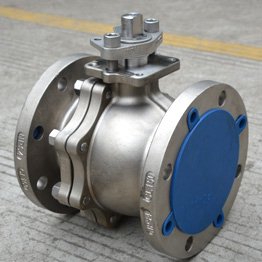
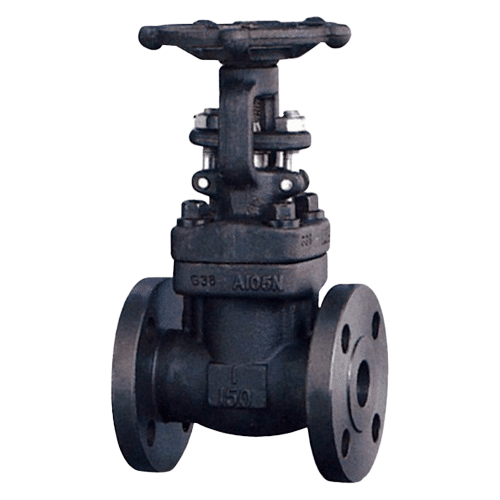
WDL Valve already supplies steel isolation valves for oil, gas, steam and industrial service, including the Schmiedestahl-Absperrschieber mit Flanschanschluss und pressure-seal gate valve. These product families are useful internal references, but a product should only be described as compliant with API 600 when the approved design, material, dimensions, testing and documentation satisfy the purchase specification.
What should an API 600 gate valve specification define?
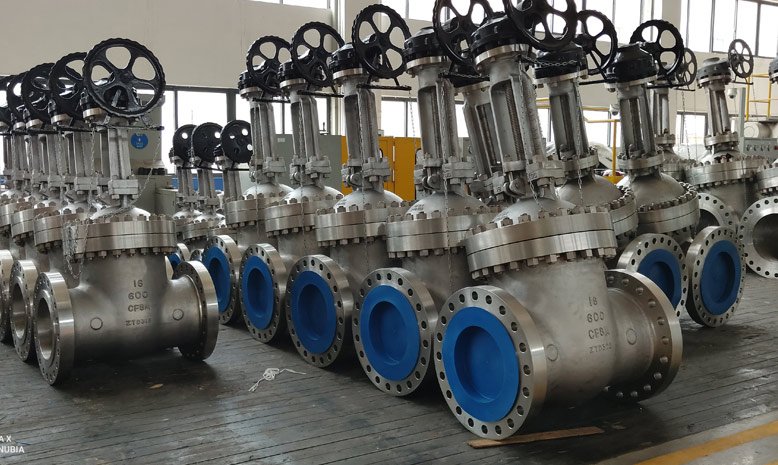
A purchase description such as “API 600 gate valve” is not enough to manufacture or evaluate a valve. The inquiry should define the edition, nominal size, pressure class, end connection, body and trim materials, temperature range, fluid, shutoff duty, operation method and testing requirements. Project specifications may also reference other documents for pressure-temperature ratings, face-to-face dimensions, end preparation, inspection, emissions or fire testing. The contract should identify the applicable editions instead of relying on an assumed “latest edition.”
The first technical review should confirm that the valve is intended for isolation. A gate valve is normally selected for full-open or full-closed service, not routine throttling. Operating a wedge close to the seat for long periods can create unstable flow, vibration and localized wear. Where flow regulation is required, review a globe valve, control valve or another design selected for the installed pressure drop.
| Procurement item | Buyer question | Evidence to request |
|---|---|---|
| Standard status | Which API 600 edition and errata govern the order? | Signed compliance statement and deviation list |
| Service conditions | What are the fluid, design pressure and minimum/maximum temperatures? | Completed valve datasheet |
| Materialien | Are body, bonnet, wedge, stem, seats, bolting and packing identified? | Material schedule and certificates required by the order |
| Dimensions | Are face-to-face, flange or welding-end details confirmed? | Approved general arrangement drawing |
| Testen | Which shell, seat, closure and supplementary tests apply? | Approved ITP and test reports |
| Betrieb | Is manual, geared, electric, pneumatic or hydraulic operation required? | Torque data, actuator sizing and interface drawing |
Construction details that deserve a line-by-line review
Body, bonnet and pressure boundary
Confirm whether the inquiry requires cast or forged construction, flanged or butt-welding ends, and a bolted-bonnet arrangement. The body and bonnet material designation must be compatible with the design temperature and process environment. Bolting, gasket selection and welding requirements should not be left to an incomplete generic note.
Wedge, seats and guiding
Review wedge type, seat construction, hardfacing requirements and guiding surfaces together. A hardfaced seat may improve resistance to wear, but the specified overlay, base material, finishing and acceptance criteria still need to be documented. The valve orientation, solids content and expected operating frequency can influence the most suitable arrangement.
Stem sealing and emissions
Packing selection should reflect temperature, pressure, fluid hazard and operating cycles. If the project has a fugitive-emissions requirement, identify the test standard and acceptance criteria in the inquiry. Do not assume that an API 600 design automatically proves compliance with a separate emissions qualification.
API 600 15th Edition: what should buyers do before publication?
- Keep the contract tied to a clearly stated published edition and applicable errata.
- Monitor the official API balloting system and Digital Catalog rather than relying on reseller summaries.
- Do not copy unverified ballot changes into a purchase order.
- Ask bidders to confirm compliance and list exceptions against the actual inquiry documents.
- Hold a document review before manufacturing: datasheet, drawing, material schedule, ITP and quality plan.
- If a new edition is published during the project, decide through formal technical clarification whether the contract will remain unchanged or be revised.
This approach protects both buyer and supplier. It prevents a bid from silently mixing one edition for design, another for testing and an unspecified set of project requirements.
Common specification mistakes
- Writing “latest edition” without a document-control date.
- Using API 600 as a substitute for a complete valve datasheet.
- Failing to state whether the valve is for clean fluid, corrosive service or fluid containing solids.
- Leaving trim, hardfacing and packing as “manufacturer standard” when the process requires specific performance.
- Requesting zero leakage without defining the test method and acceptance criterion.
- Assuming a manually operated valve can later accept an actuator without reviewing torque, stem and mounting loads.
For a broader review of demanding applications, see WDL Valve’s severe service valve selection guide und onshore oil and gas valve guide.
Conclusion
The API 600 15th Edition is still a ballot item as of November 3, 2026. Buyers should verify the official publication status, name the governing edition in the order and review the complete datasheet, drawing, materials, testing and deviation schedule before manufacture.
Häufig gestellte Fragen
Is API 600 15th Edition mandatory now?
No. On November 3, 2026, the 15th Edition is shown as a ballot item, while the API catalog lists the 14th Edition. The edition named in the contract controls unless the parties formally revise it.
Can a supplier quote against the API 600 ballot?
A supplier can acknowledge that development activity exists, but a ballot is not final published requirements. Any proposed use of draft provisions should be handled through a written project clarification.
Does API 600 alone define every purchasing requirement?
No. The buyer still needs service conditions, size, class, ends, materials, trim, operation, testing, documentation and any project-specific standards.
Is every WDL steel gate valve an API 600 valve?
No blanket claim should be made. Compliance depends on the specific design and approved order documents. WDL Valve reviews the requested standard, edition, pressure class, material and test scope for each inquiry.
What should be attached to an API 600 RFQ?
Attach the valve datasheet, piping class, applicable standards list, material and trim requirements, test and inspection scope, documentation schedule, quantity and delivery requirements.
Request an API 600 Gate Valve Review
Send WDL Valve your valve datasheet, piping class, operating conditions and inspection requirements. We will review the requested edition and return a technical quotation with stated deviations.
Content structure informed by Eugen Ullrich’s LLM content framework, CC BY 4.0.