API 609 10th Edition Butterfly Valves: Buyer Guide
Jawaban langsung: API 609 10th Edition butterfly valves should be ordered with the exact body style, category, materials, pressure-temperature rating, seat leakage, actuator data and inspection requirements. As of October 2026, API identifies a May 2026 update for the 10th edition. Buyers should confirm the edition required by the contract and obtain the licensed standard before issuing a purchase order.
Published: October 24, 2026 | Penulis: Wong WP, Manajer Penjualan, Xiamen WDL Valve Co., Ltd.
What changed with API 609 in 2026?
- API’s latest-updates page lists an API 609 10th Edition update dated May 2026.
- The current title includes double-flanged, lug, wafer and butt-welding end butterfly valves.
- This buyer guide adds an RFQ structure for offset design, seat system, actuation and testing without reproducing copyrighted standard text.
What does API 609 10th Edition cover?
API 609 addresses design, materials, face-to-face dimensions, pressure-temperature ratings, examination, inspection and testing for covered butterfly valves. It applies to several body and end configurations and to a range of metallic materials. The standard does not select the correct valve for a process. The purchaser still has to define the fluid, pressure, temperature, cycling, leakage class, corrosion conditions and actuation.
API 609 should be read with the referenced project documents. ASME B16.34 can govern pressure-temperature ratings and related construction requirements for applicable valves, while flange, face-to-face, inspection and fire-test requirements may come from separate standards or the owner’s specification.
Which body style should be specified?
| Body or end style | Where it may fit | Buyer checks |
|---|---|---|
| Wafer | Compact installation between mating flanges | Centering, through-bolts, disc clearance and removal procedure |
| Lugged | Projects needing individual flange bolting or defined dead-end capability | Thread engagement, bolting, unidirectional/bidirectional rating and dead-end approval |
| Double-flanged | Larger sizes, buried lines or piping layouts requiring a flanged body | Face-to-face series, flange standard, body stiffness and installation space |
| Butt-welding ends | Selected high-integrity welded piping systems | Weld preparation, heat treatment, examination and maintainability |
Do not convert one body style to another by changing the description on a datasheet. The body, dimensions, bolting, pressure boundary and installation method must be designed and verified for the specified configuration.
Soft seat, double offset or triple offset?
A concentric soft-seated butterfly valve is often selected for water and utility duties within its verified pressure and temperature range. A double-offset design reduces rubbing between the disc and seat and can suit higher performance requirements. A triple-offset design uses a geometric sealing action intended to minimize sliding contact and is commonly paired with a metal seat for higher temperature, demanding cycling or fire-safe project requirements.
Offset count is not a performance guarantee. Ask for the seat construction, shutoff direction, maximum differential pressure, pressure-temperature rating, torque, leakage acceptance and test evidence. A metal-seated valve may tolerate higher temperature, but the purchaser must still define the permitted leakage. A soft seat may provide tight shutoff, but temperature, chemical compatibility and decompression behavior can limit its use.
How should pressure, temperature and materials be defined?
Give the design pressure and temperature together, not as separate maximum values that never occur at the same time. Include normal operation, startup, shutdown, cleaning, steam-out, depressurization and upset cases. The body, disc, shaft, seat, packing, bearings, bolting and gaskets must remain suitable across the complete envelope.
Carbon steel, stainless steel, duplex, nickel alloys and other materials can be used in appropriate services, but alloy names alone do not establish suitability. State chlorides, sulfur compounds, acids, solids, moisture and oxygen content where relevant. For low temperature, state the design minimum metal temperature. For sour service, reference the applicable project material requirements.
What actuator information belongs in an API 609 RFQ?
Valve torque changes with differential pressure, velocity, seat design, temperature, fouling and cycle history. The actuator should be selected from the approved valve torque curve plus the owner’s safety factor and operating-time requirement. Provide the power medium, supply limits, control signal, fail position, hazardous-area classification, enclosure rating, accessories and manual override.
- Manual lever or gearbox for local, infrequent operation
- Pneumatic actuator for rapid quarter-turn automation where instrument air is available
- Electric actuator for remote operation with electrical power and defined duty cycle
- Hydraulic actuator where high torque, controlled speed or stored-energy action is required
API 609 10th Edition butterfly valve RFQ table
| RFQ section | Minimum information | Common omission |
|---|---|---|
| Standard basis | API 609 edition, category where applicable, project specifications and deviations | Writing only “API butterfly valve” |
| Mechanical design | Size, class, body style, face-to-face, flange or weld-end details | No disc-clearance check |
| Process data | Fluid, composition, pressure, temperature, differential pressure, velocity and cycles | Providing design pressure only |
| Sealing | Seat material, sealing direction, allowable leakage and test method | Assuming every metal seat is zero leakage |
| Material | Body, disc, shaft, seat, packing, bearings, bolting and overlay | Specifying body material only |
| Actuation | Operator type, supply, fail action, travel time, signal and accessories | No torque or cycle data |
| Inspection | Pressure test, leakage acceptance, NDE, material certificates and witness points | Leaving acceptance criteria to the quotation stage |
What should be verified before purchase?
- Confirm the standard edition and contract transition requirements.
- Verify that the quoted body and end style matches the piping design.
- Review the pressure-temperature rating for every operating case.
- Check disc clearance against mating flanges, lining and adjacent components.
- Approve the complete material list, not only the body material.
- Define seat leakage, sealing direction and test conditions.
- Review the torque curve and actuator sizing basis.
- Agree on inspection, certification, documentation and spare parts.
Frequently asked questions about API 609 10th Edition butterfly valves
Is API 609 10th Edition current?
API lists a 10th Edition update dated May 2026. Buyers should check the contract, effective date and current API notices before ordering.
Does API 609 apply only to wafer valves?
No. The current standard title also includes double-flanged, lug and butt-welding end configurations.
Does API 609 require a soft or metal seat?
The ordered construction and project duty determine the seat system. Specify temperature, fluid compatibility, shutoff direction and leakage acceptance.
Is a triple-offset valve always better than a double-offset valve?
No. Triple-offset designs fit some high-temperature and demanding services, while double-offset or soft-seated valves can be more suitable in other duties. Compare the actual operating envelope and lifecycle requirements.
What causes many butterfly valve RFQ errors?
Common causes are missing disc-clearance data, undefined leakage criteria, incomplete material specifications and actuator sizing based only on nominal size.
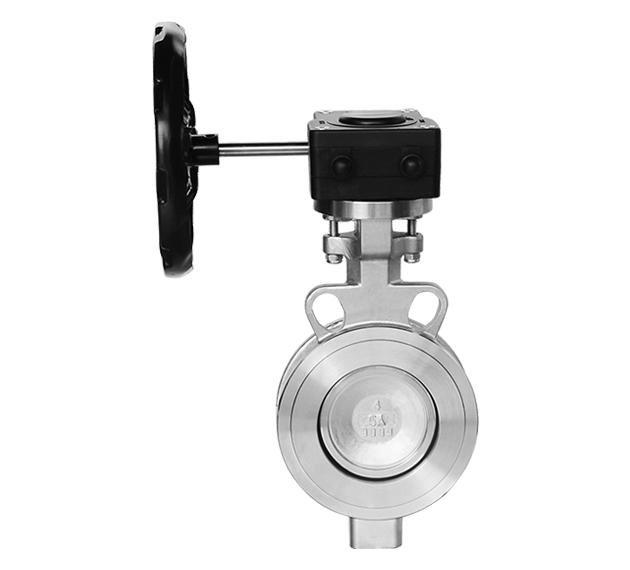
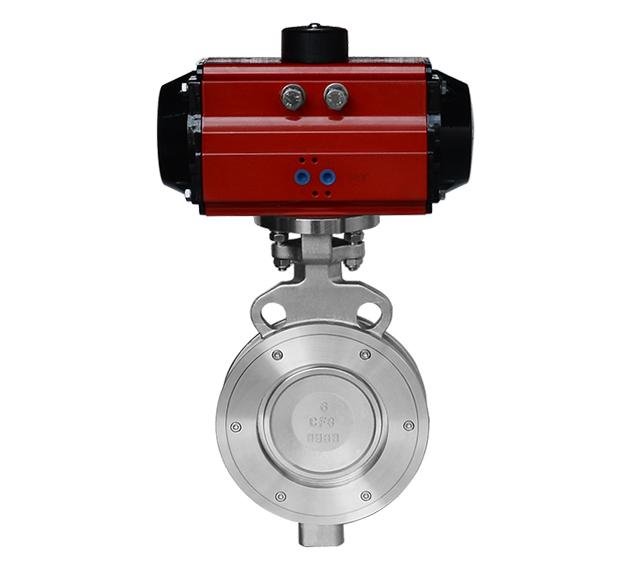
Related WDL resources include the high-performance double-offset wafer butterfly valve, pneumatic triple-offset wafer butterfly valve, panduan pemilihan offset ganda dan triple-offset application guide.
Review your API 609 valve specification
Send WDL Valve the datasheet, line class, operating cases, material requirements and actuator specification for review before quotation.