การเลือกวาล์วที่มีระดับการปล่อยก๊าซต่ำ: 7 ขั้นตอนตรวจสอบที่ได้รับการพิสูจน์แล้วสำหรับไฮโดรเจน ก๊าซธรรมชาติ และระบบ CCUS
Low Emission Valve Selection begins with the fluid, pressure, temperature, operating cycles and required emissions test standard. For hydrogen, natural gas and CCUS service, select the complete valve assembly by checking the body joints, stem or shaft seal, gasket, surface finish, bolting, actuator loads and production test records.
What Is a Low-Emission Industrial Valve?
A low-emission industrial valve is designed and tested to limit external leakage through the stem or shaft seal and body joints. Fugitive emissions are different from seat leakage: seat leakage passes through a closed valve, while fugitive emissions escape from the pressure boundary into the atmosphere.
The purchase specification must identify which requirement applies. API 598 or another pressure-test standard does not replace a fugitive-emissions qualification standard. A valve can pass a conventional shell and seat test without having completed low-emission type testing.
Low Emission Valve Selection: Which Fugitive-Emission Standards Apply?
| Standard | Main Purpose | Typical Use |
|---|---|---|
| ISO 15848-1 | Classification and type-testing procedures for external leakage | Isolation and control valve qualification |
| ISO 15848-2 | Production acceptance testing | Specified production valves |
| API 624 | Type testing of rising-stem valves fitted with flexible graphite packing | Gate and globe valve designs |
| API 641 | Type testing of quarter-turn valves | Ball, butterfly and plug valves |
| API 622 | Type testing of process-valve packing | Packing qualification rather than complete-valve qualification |
ISO 15848-1 covers type testing of valve stem seals and body joints. ISO 15848-2 covers production acceptance testing. The specified edition, leakage class, temperature class, endurance class and test fluid should be written into the valve datasheet rather than left as a general note.
Why Is Hydrogen Valve Selection Different?
Low Emission Valve Selection for hydrogen service requires attention to external leakage, nonmetallic seal compatibility, material behavior, fire-safe design, antistatic continuity and high-pressure gas testing. Small leakage paths that may be tolerated in another gas service can become unacceptable in a hydrogen system.
API added hydrogen gas provisions to API 6D, including design validation, material requirements and supplemental testing. This does not mean every API 6D valve is automatically suitable for hydrogen. The purchaser must specify hydrogen concentration, pressure, temperature, operating cycles, decompression rate, material restrictions and the required edition or annex.
What Changes for Natural Gas and Methane Service?
Natural gas systems often contain hundreds or thousands of valves, so small individual leaks can become a significant plant-wide loss. Valve selection should therefore be connected to the site Leak Detection and Repair program, commonly called LDAR.
The practical goal is to prevent chronic leakage rather than rely only on periodic repair. Packing selection, correct gland loading, accessible monitoring points and traceable test records make the valve easier to manage throughout its operating life.
What Should Be Checked for CCUS Valves?
For CCUS projects, Low Emission Valve Selection must account for dense-phase or gaseous CO₂, impurities, moisture, pressure changes and low temperatures during rapid depressurization. Wet CO₂ can increase corrosion risk, while decompression can challenge elastomeric and polymer sealing components.
A CCUS valve specification should define the CO₂ phase, water content, expected impurities, pressure-temperature envelope and blowdown conditions. Material and seal decisions cannot be made from the word “CO₂” alone.
How Do Valve Type and Stem Motion Affect Emissions?
| ประเภทวาล์ว | Stem Motion | Low-Emission Design Focus | Common Duty |
|---|---|---|---|
| Gate valve | Linear, rising or non-rising depending on design | Packing chamber geometry, stem finish, gland loading and cycle qualification | Full-bore isolation |
| Globe valve | Linear and frequently cycled | Packing stability during repeated stem travel | Isolation and throttling |
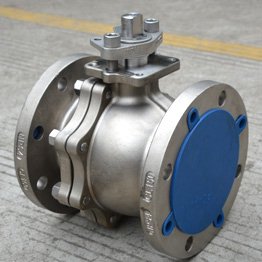
| Ball valve | Quarter-turn rotary | Stem seals, antistatic path, cavity pressure and body-joint sealing | Rapid isolation and emergency shutdown |
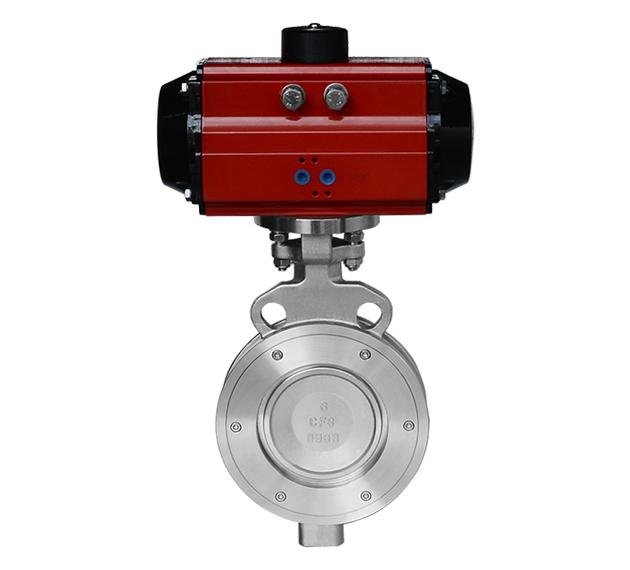
| Butterfly valve | Quarter-turn rotary | Shaft seals, bearing loads and actuator alignment | Large-line isolation or control |
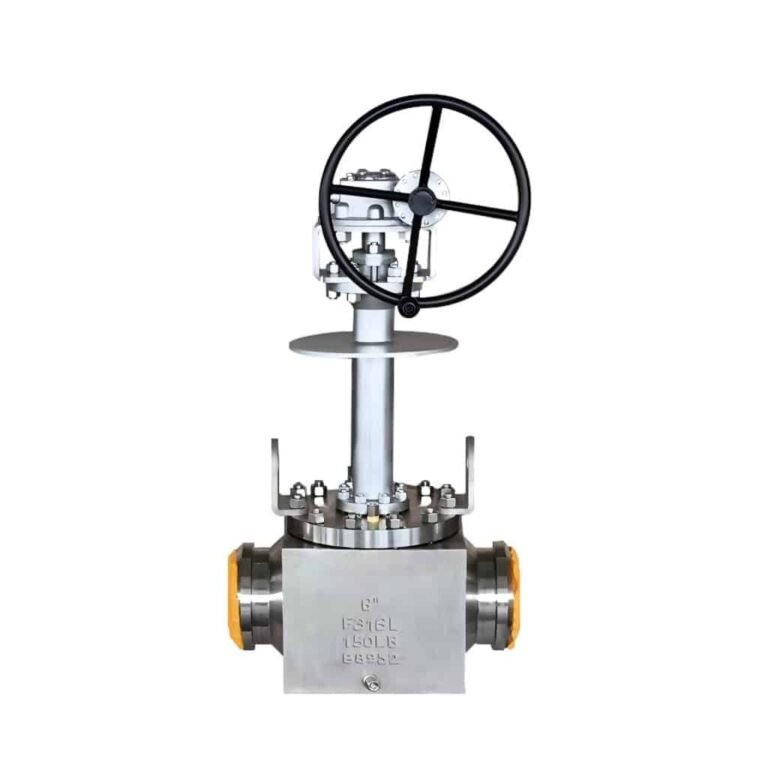
| Bellows-sealed valve | Linear with a welded bellows pressure boundary | Bellows cycle life, weld integrity and backup packing | Toxic, hazardous or high-purity media |
7 Low Emission Valve Selection Checks Before Ordering
- Define the fluid completely. State hydrogen or CO₂ concentration, methane content, water, H₂S, particles and other impurities.
- Provide the full pressure-temperature envelope. Include normal operation, startup, shutdown, blowdown and upset conditions.
- Name the emissions standard. Specify ISO 15848-1, ISO 15848-2, API 624, API 641 or another project requirement as applicable.
- Specify the required qualification. Record leakage class, endurance cycles, temperature range, test fluid and production acceptance requirements.
- Review every sealing material. Check packing, stem seals, body gaskets, seat inserts and O-rings, not only the body and trim metallurgy.
- Define actuation and operating frequency. State manual or automated operation, fail position, closing time, cycle rate and maximum differential pressure.
- Request traceable documentation. Agree on certificates, test reports, material records, inspection points and approved drawings before production.
Common Specification Mistakes
Calling a valve “zero leakage” without naming the boundary
Internal seat leakage and external fugitive emissions are separate requirements. The datasheet should state both when both matter.
Specifying approved packing but not a qualified valve assembly
Packing test data is useful, but the complete valve also depends on the packing chamber, stem finish, gland design, bolting and assembly procedure.
Using a standard material list for hydrogen or CCUS
Material compatibility must be reviewed against composition, pressure, temperature and decompression conditions. A generic body-material callout does not cover every seal and pressure-boundary component.
Selecting the actuator after the valve is built
Stem and packing friction affect required torque or thrust. Actuator sizing should use the final valve construction and worst operating differential pressure.
What Should a Manufacturer Confirm?
A useful quotation should identify the valve type, size, pressure class, materials, packing and gasket arrangement, applicable emissions standard, actuator data and testing scope. Any deviation from the enquiry should be listed clearly.
WDL Valve supplies วาล์วลูกบอล, gate valves, วาล์วแบบลูกโลก, วาล์วผีเสื้อ and check valves in carbon steel, stainless steel, duplex, super duplex and selected special alloys. Low-emission, hydrogen or CCUS suitability must be confirmed for the exact project specification rather than assumed from the valve type.
คำถามที่มักถูกถาม
Does API 598 certify a valve for low fugitive emissions?
No. API 598 addresses valve inspection and pressure testing. Fugitive-emissions qualification requires a relevant standard such as ISO 15848-1, API 624 or API 641, as specified by the purchaser.
Which standard applies to ball and butterfly valves?
API 641 is intended for quarter-turn valves. ISO 15848-1 can also apply to isolation and control valves when its classification and test requirements are specified.
Which standard applies to rising-stem gate and globe valves?
API 624 covers type testing of rising-stem valves fitted with flexible graphite packing. ISO 15848-1 may also be specified depending on the project.
Is every low-emission valve suitable for hydrogen?
No. Low external leakage is only one part of hydrogen suitability. Materials, seals, fire-safe design, antistatic requirements, pressure rating and hydrogen-specific validation must also be reviewed.
What information should be sent for Low Emission Valve Selection?
Send the fluid composition, pressure, temperature, size, pressure class, operating cycles, valve function, emissions standard, required tests, actuator data and documentation requirements. These details let the manufacturer review the valve assembly against the actual low emission valve selection requirements.
Discuss Your Low-Emission Valve Specification
Send WDL Valve the process medium, pressure-temperature range, valve type, emissions standard and actuation requirements for a project review. For broader high-risk duties, review our ผู้ผลิตวาล์วสำหรับสภาพแวดล้อมการทำงานที่รุนแรง ความสามารถ.