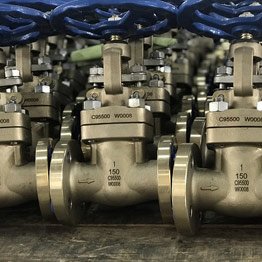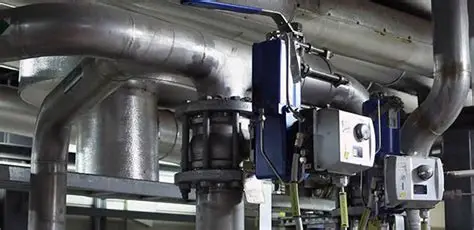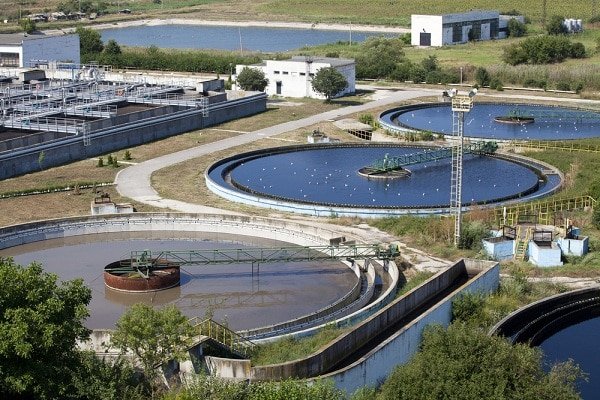
วาล์วสำหรับการบำบัดน้ำและน้ำเสีย
Water and wastewater treatment valves provide isolation, throttling,
reverse-flow prevention and pressure management in treatment plants,
pumping stations, pipelines and sludge systems. WDL Valve supplies
butterfly, gate, ball, check, diaphragm and control valves for raw
water, drinking water, wastewater, aeration and chemical-dosing service.
What Are Water and Wastewater Treatment Valves?
air, sludge and treatment chemicals through a plant. They isolate
equipment, regulate flow, prevent reverse flow, reduce pressure and
protect pumps and pipelines.Valve selection depends on the medium, solids content, pressure,
temperature, operating frequency and installation environment.
Materials, seats, coatings and actuators must be selected as a
complete system rather than as separate components.
Where Are Valves Used in Water Treatment Plants?
Valves are installed at each stage between the raw-water intake and
the treated-water outlet. Wastewater plants also require valves for
sewage, sludge, aeration and chemical treatment.
| Treatment Area | หน้าที่ของวาล์ว | Service Conditions | ประเภทวาล์วที่นิยมใช้ |
|---|---|---|---|
| Raw-water intake | Isolation and pump protection | Sand, debris and continuous water flow | วาล์วผีเสื้อ วาล์วประตู และวาล์วเช็ก |
| Filtration system | Filter isolation and backwash control | Frequent cycling and changing flow direction | Butterfly, ball and control valves |
| Drinking-water distribution | Isolation, pressure control and non-return protection | Clean-water service with hygiene requirements | Butterfly, gate, ball and check valves |
| Wastewater inlet | Isolation and flow routing | Sewage, suspended solids and debris | Gate, butterfly and check valves |
| Sludge system | Isolation and sludge transfer | Thick, abrasive or fibrous media | Knife gate, ball and diaphragm valves |
| Aeration system | Air isolation and flow regulation | Low-pressure air and frequent adjustment | Butterfly, ball and control valves |
| Chemical dosing | Accurate dosing and chemical isolation | Acids, alkalis, disinfectants and coagulants | Diaphragm, ball, needle and control valves |
WDL Valve Products for Water Treatment Projects
The following products are selected from the existing WDL Valve
website. Final size, material, seat, coating and actuator are
configured according to the water quality and operating conditions.
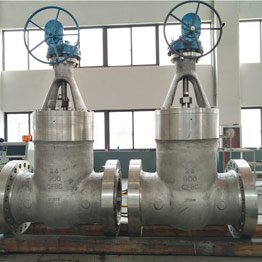
Stainless Steel Gate Valve
Full-flow isolation valve for clean water, treated water
and selected chemical services.
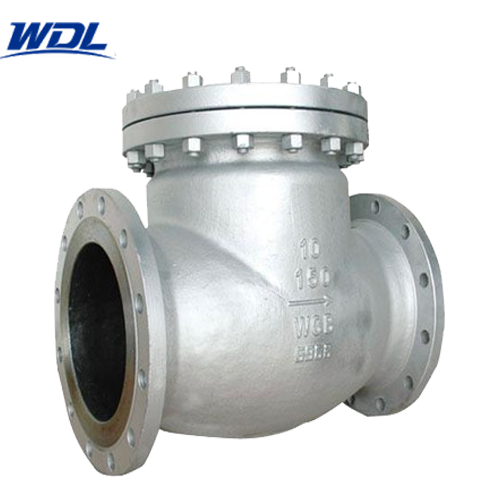
Flanged Swing Check Valve
Prevents reverse flow in pump outlets, treatment systems
and water transmission pipelines.
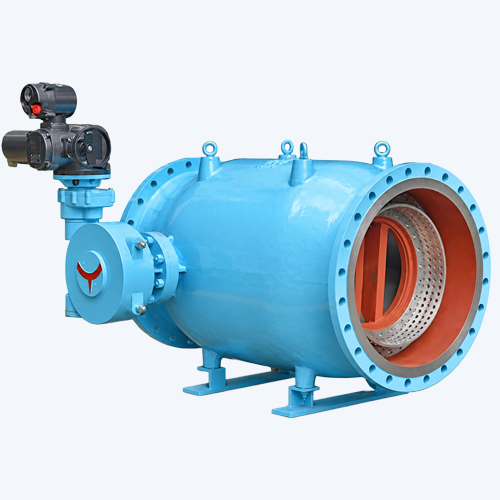
Plunger Flow Control Valve
Controls flow and pressure in water transmission,
pumping and reservoir systems.
Which Valve Type Should Be Selected?
วาล์วผีเสื้อ
Butterfly valves are widely used in large water pipelines because
they are compact, relatively light and easy to automate. Resilient
seats are common in clean-water service, while more demanding
conditions may require high-performance or metal-seated designs.
Gate and Knife Gate Valves
Gate valves provide a straight flow path for water isolation.
Knife gate valves are better suited to wastewater and sludge
containing suspended solids, fibers or sediment. Standard gate
valves should normally be used fully open or fully closed.
วาล์วลูกบอล
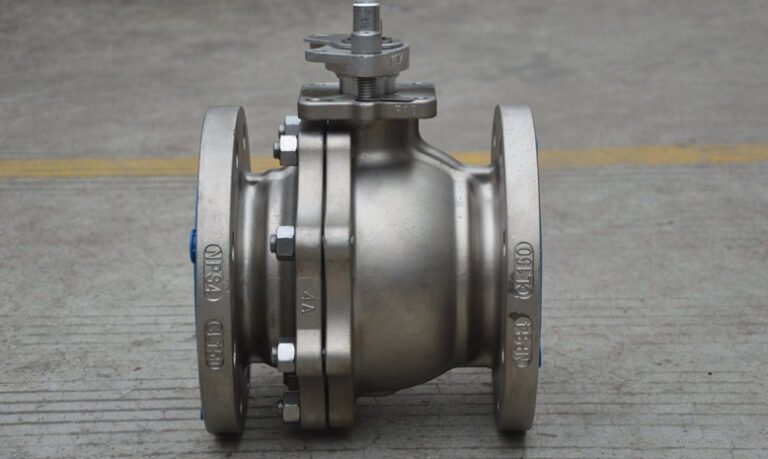
Ball valves provide tight shutoff and low flow resistance. They are
commonly used in treatment chemicals, clean water, sampling and
smaller process lines. Seat and seal compatibility must be checked
for chemical-dosing applications.
วาล์วกันกลับ
Check valves protect pumps and pipelines from reverse flow. Swing,
dual-plate, axial-flow and other designs have different closing
speeds and pressure losses. Selection should consider flow velocity,
pump operation and water-hammer risk.
Diaphragm Valves
Diaphragm valves separate the medium from the stem and other moving
components. They are suitable for selected chemical-dosing,
corrosive-liquid and contamination-sensitive applications.
วาล์วควบคุม
Control valves regulate flow, pressure or water level. Plunger
valves are often considered for water systems that require stable
regulation, pressure reduction or resistance to cavitation.
How Are Valve Materials Selected?
Material selection begins with water chemistry and the function of
the valve. Raw water, drinking water, sewage, sludge and dosing
chemicals create different corrosion and wear conditions.
| วัสดุ | Typical Application | Selection Considerations |
|---|---|---|
| Ductile iron | General water and wastewater pipelines | Internal and external coating quality is important |
| เหล็กคาร์บอน | Higher-pressure water and utility systems | Corrosion allowance and coating must be considered |
| เหล็กไม่ржаวง | Drinking water and corrosive treatment fluids | Chloride concentration and temperature require review |
| สแตนเลสแบบดูเพล็กซ์ | Chloride-bearing or demanding water service | Grade, welding and water chemistry must be verified |
| Lined construction | Corrosive chemical-dosing systems | Lining must match the chemical, pressure and temperature |
Why Are Valve Coatings Important?
Ductile-iron and carbon-steel valves commonly use protective
coatings to separate the base metal from water, soil and the
surrounding atmosphere. Coating quality can strongly affect the
service life of a valve.
Coating selection should consider immersion service, buried
installation, sunlight, humidity, chemical exposure and drinking
water requirements. Surface preparation, coating thickness,
adhesion, edge coverage and holiday inspection should be defined
when required by the project.
What Valves Are Suitable for Sludge?
Sludge may contain fibers, grit, sediment and suspended solids that
can collect in valve cavities or damage soft seats. Valves for
sludge service should provide an open flow path and minimize areas
where solids can accumulate.
Knife gate valves, selected ball valves and diaphragm valves are
commonly considered for sludge systems. Final selection depends on
solids concentration, particle size, pressure, flow velocity and
required shutoff performance.
How Can Water Hammer Be Reduced?
Water hammer occurs when flow velocity changes too quickly. Rapid
pump shutdown, fast valve closure or an unsuitable check valve can
create pressure surges, vibration and pipeline damage.
Valve closing time, check-valve response, actuator speed and system
pressure should be evaluated together. Controlled-closing valves,
suitable check-valve designs and surge-analysis recommendations can
reduce pressure changes.
How to Select Water and Wastewater Valves
- Identify the medium: raw water, drinking water, sewage, sludge,
air or treatment chemical. - Provide the normal and maximum pressure, temperature and flow rate.
- State the solids concentration, particle size and fiber content.
- Define whether the valve is for isolation, throttling,
non-return or pressure control. - Select compatible body, trim, seat, seal and coating materials.
- Confirm flange, wafer, lug, welded or threaded connections.
- Choose manual, gearbox, pneumatic, electric or hydraulic operation.
- Specify leakage, coating, hygiene and testing requirements.
คำถามที่มักถูกถาม
Which valve is most commonly used in water treatment plants?
Butterfly valves are widely used for water isolation because they
are compact and suitable for large pipeline sizes. Gate, ball,
check, diaphragm and control valves are selected for other plant
functions.
Which valve is suitable for wastewater and sludge?
Knife gate, diaphragm and selected ball valves are commonly used
for wastewater and sludge. Selection depends on solids content,
fibers, pressure and required shutoff.
What valve prevents reverse flow from a water pump?
A check valve prevents reverse flow at a pump outlet. The check-valve
design and closing response should be selected according to flow
velocity, pump operation and water-hammer risk.
Can water-treatment valves be automated?
Butterfly, ball, gate and control valves can use pneumatic, electric
or hydraulic actuators. Actuator sizing should consider valve torque,
pressure, cycle frequency and required fail-safe action.
Which valves are used for chemical dosing?
Diaphragm, ball, needle and control valves are commonly considered
for chemical dosing. Wetted materials must match the chemical name,
concentration and operating temperature.
Discuss Your Water Treatment Valve Application
Send WDL Valve your medium, pressure, flow rate, solids content,
material and actuation requirements for technical review and quotation.