วาล์วสำหรับอุตสาหกรรมโลหะวิทยาและการหลอม
Metallurgy and smelting valves control cooling water, fuel gas,
oxygen, steam, slurry and high-temperature process media. WDL Valve
supplies gate, globe, ball, butterfly, check and control valves for
isolation, flow regulation and equipment protection in steel mills,
foundries and non-ferrous metal plants.
What Are Metallurgy and Smelting Valves?
the demanding conditions found in ironmaking, steelmaking, casting,
rolling and non-ferrous metal production. These processes may expose
valves to high temperature, abrasive particles, corrosive liquids,
rapid cycling and large pressure changes.Valve type, body material, trim, seat design and actuator must be
selected according to the actual process medium. A valve suitable
for cooling water may not be suitable for oxygen, fuel gas, steam
or abrasive slurry.
An overview of blast-furnace and electric-arc-furnace production
routes is available from the
World Steel Association steelmaking process guide
.
Where Are Valves Used in Metallurgical Plants?
Valves are installed throughout raw-material handling, furnaces,
gas-treatment systems, cooling systems, casting equipment and
environmental-control systems.
| พื้นที่กระบวนการ | Typical Medium | หน้าที่ของวาล์ว | ประเภทวาล์วที่นิยมใช้ |
|---|---|---|---|
| Furnace cooling system | Cooling water | Isolation, flow control and non-return protection | Butterfly, gate, ball and check valves |
| Fuel-gas system | Natural gas, coke-oven gas or mixed fuel gas | Isolation and combustion-flow regulation | Ball, butterfly, gate and control valves |
| Oxygen system | Industrial oxygen | Clean isolation and controlled flow | วาล์วแบบกลอบ วาล์วแบบลูกบอล และวาล์วควบคุม |
| Steam and utility system | Steam, condensate, air and water | Isolation, drainage and pressure control | วาล์วประตู วาล์วลูกโลก วาล์วเช็ก และวาล์วควบคุม |
| Slurry and residue system | Scale, ash, slag slurry and process wastewater | Abrasive-media isolation and discharge | Knife gate, ball and discharge valves |
| Dust and gas cleaning | Dust-bearing gas and scrubbing water | Isolation and process regulation | Butterfly, ball, gate and control valves |
| Chemical-treatment system | Acids, alkalis and pickling solutions | ระบบแยกและจ่ายสารที่ทนต่อการกัดกร่อน | Ball, diaphragm, butterfly and control valves |
Which Valve Types Are Used in Metallurgy and Smelting?
วาล์วประตู
Gate valves provide a straight flow path and low pressure loss when
fully open. They are commonly used for cooling water, steam, fuel
gas and utility isolation. Standard gate valves are normally
intended for fully open or fully closed operation.
View WDL Valve
industrial gate valve solutions
.
วาล์วแบบกลอบ
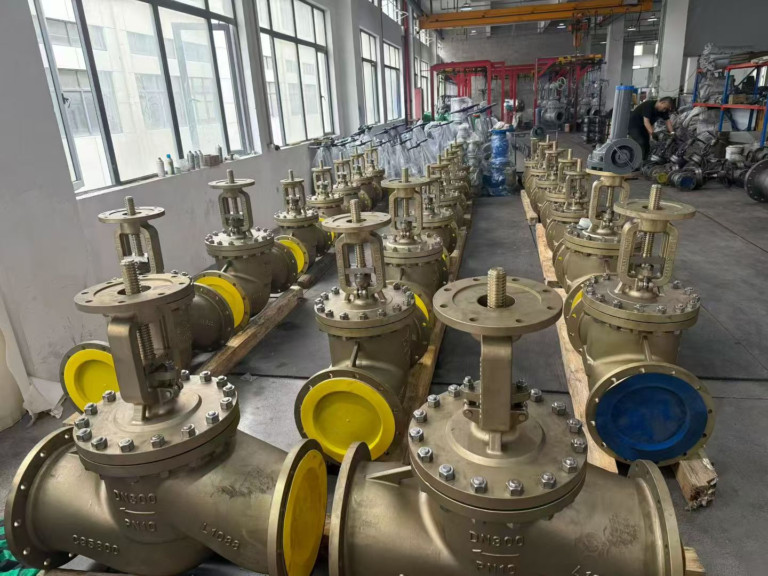
Globe valves are suitable for manual flow adjustment, steam
isolation and process bypass lines. Trim material and seat design
should match the temperature, pressure drop and cycling frequency.
View WDL Valve
industrial globe valves
.
วาล์วลูกบอล
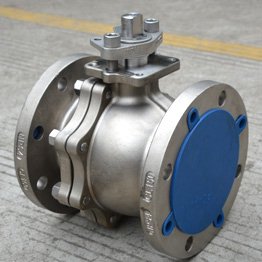
Ball valves provide fast operation, low pressure loss and reliable
isolation. Metal-seated ball valves with hardfaced sealing surfaces
may be selected for high temperature, abrasive particles or frequent
cycling.
View WDL Valve
วาล์วลูกบอลแบบอุตสาหกรรม
.
วาล์วผีเสื้อ
Butterfly valves are compact and suitable for large-diameter cooling
water, gas and air pipelines. Triple-offset metal-seated designs may
be considered for higher temperatures and demanding shutoff service.
View WDL Valve
butterfly valve range
.
วาล์วกันกลับ
Check valves prevent reverse flow through cooling-water pumps,
compressors and utility systems. Valve type and closing response
should be selected according to flow velocity and system dynamics.
View WDL Valve
industrial check valves
.
วาล์วควบคุม
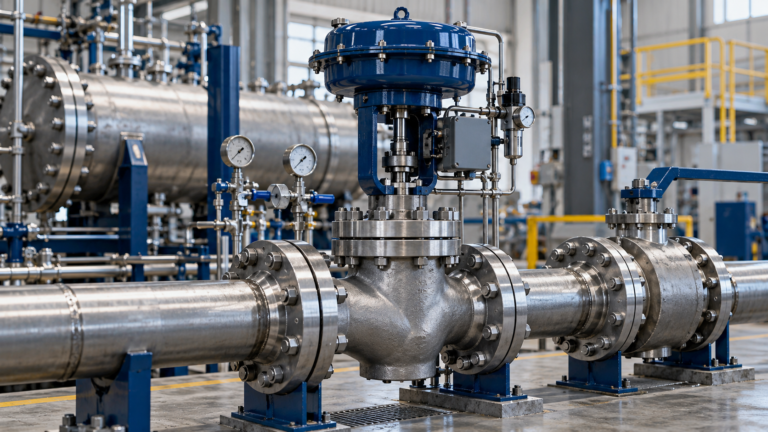
Control valves regulate gas, air, steam and cooling-water flow.
Valve sizing should use the minimum, normal and maximum process
conditions. The trim must also be checked for noise, erosion,
cavitation and vibration.
How Do Temperature and Abrasion Affect Valve Selection?
High temperature can reduce material strength, change seat clearances
and damage standard soft seals. High-temperature valves may require
metal seats, graphite packing, suitable alloy materials and extended
bonnets or heat-dissipation structures.
Abrasive scale, dust and slurry can wear balls, discs, gates, seats
and internal flow passages. Partially open valves may experience
concentrated erosion because velocity increases through the
restricted opening.
Hardfacing may be applied to selected sealing and wear surfaces.
The hardfacing material, thickness, hardness, adhesion and finishing
method should match the operating temperature, particles and required
leakage performance.
Soft Seat or Metal Seat?
| Selection Factor | Soft Seat | Metal Seat |
|---|---|---|
| Shutoff | Suitable for tight shutoff in compatible media | Leakage level depends on design and specification |
| อุณหภูมิ | Limited by the seat material | Suitable for higher-temperature applications |
| Abrasive solids | Particles may cut or damage the seat | Better suited to selected abrasive conditions |
| Typical service | Cooling water, clean gas and utility systems | Hot gas, steam, ash, slurry and severe cycling |
How Are Valve Materials Selected?
Carbon steel is commonly used for general pressure service.
Chrome-molybdenum alloy steels may be selected for higher-temperature
steam and process lines. Stainless steel, duplex stainless steel,
nickel alloys and other special alloys may be required for corrosive
cooling water, pickling solutions or aggressive process media.
Material selection should include the body, bonnet, stem, closure
member, seat, hardfacing, packing, gasket and bolting. Temperature,
pressure, corrosion, abrasion and thermal cycling must be considered
together.
When applicable, the project may reference
ASME B16.34
for pressure-temperature ratings, materials, examination, testing
and marking requirements within the standard’s scope.
Valves for Oxygen Service
Oxygen-service valves require special attention because oil, grease,
particles and unsuitable non-metallic materials may create hazards.
Valve materials, cleaning, assembly, packaging and operating velocity
should follow the project’s oxygen-service specification.
Oxygen valves should be kept clean after manufacturing and protected
from contamination during storage and installation. Standard
industrial valves should not be assumed suitable for oxygen service
without a complete technical review.
Valves for Slurry, Scale and Ash
Slurry and ash valves should have a flow path that limits solids
accumulation. Valve cavities, seat pockets and narrow internal
passages may become blocked by scale or sediment.
Knife gate valves, wear-resistant ball valves and selected discharge
valves are commonly considered for abrasive media. Replaceable seats,
hardfaced sealing surfaces and flushing connections may be required
in severe applications.
Cooling Water and Wastewater Service
Metallurgical plants use large quantities of water for cooling,
cleaning and gas-treatment processes. Water quality, suspended
solids, chlorides, temperature and corrosion risk influence the
valve material and coating system.
The United States Environmental Protection Agency provides background
information on wastewater discharges from iron and steel manufacturing
in its
Iron and Steel Manufacturing Effluent Guidelines
.Butterfly, gate and check valves are commonly used in cooling-water
systems. Slurry, oily wastewater and scale-bearing water may require
wear-resistant or non-clogging valve designs.
How to Select a Metallurgy and Smelting Valve
- Identify the medium, including gas composition, solids,
corrosive chemicals and possible impurities. - Provide the normal, maximum and minimum pressure and temperature.
- Define whether the valve is required for isolation, throttling,
pressure control or reverse-flow prevention. - State the solids concentration, particle size and expected
abrasion level. - Select compatible body, trim, seat, hardfacing and packing materials.
- Define the required shutoff and leakage performance.
- Confirm flanged, butt-weld, wafer, lug or threaded connections.
- Specify manual, gearbox, pneumatic, electric or hydraulic operation.
- State inspection, testing, coating and documentation requirements.
ข้อมูลที่จำเป็นสำหรับการเสนอราคาวาล์ว
| Required Information | Details to Provide |
|---|---|
| Valve | Type, size, quantity and pressure class |
| Medium | Water, gas, oxygen, steam, slurry or chemical |
| Operating conditions | Pressure, temperature, flow rate and cycling frequency |
| Solids | Concentration, particle size and abrasion level |
| วัสดุ | Body, trim, seats, hardfacing, packing and bolting |
| การดำเนินการ | Manual, pneumatic, electric or hydraulic |
| Documents | Datasheet, drawing, certificates, QAP, ITP and test reports |
คำถามที่มักถูกถาม
Which valves are suitable for high-temperature smelting service?
Metal-seated ball, gate, globe and triple-offset butterfly valves
may be suitable for high-temperature service. Final selection
depends on temperature, pressure, medium, leakage requirement and
cycling frequency.
Which valve is suitable for abrasive slurry?
Knife gate valves, wear-resistant ball valves and selected discharge
valves are commonly considered for abrasive slurry. Hardfacing and
replaceable wear parts may be required.
Why are metal seats used in steel plants?
Metal seats tolerate higher temperatures and selected abrasive
conditions that may damage standard soft seats. Seat material and
hardfacing must match the actual process conditions.
Can metallurgy valves be automated?
Metallurgy valves can use pneumatic, electric or hydraulic
actuators. Actuator sizing should consider valve torque, temperature,
differential pressure, operating speed and required fail-safe action.
What information is needed to select an oxygen valve?
The valve manufacturer needs oxygen purity, pressure, temperature,
flow rate, valve size, materials, cleaning requirements and operating
method. Oxygen service must be clearly identified before quotation.
Discuss Your Metallurgy Valve Application
Send WDL Valve your medium, temperature, pressure, solids content,
materials and actuation requirements for technical review and quotation.