API 623 第3版:截止阀采购指南更新
Published November 5, 2026 · Wong WP, Sales Manager · Xiamen WDL Valve Co., Ltd.
Has API 623 3rd Edition been published?
Not according to the API catalog checked on November 3, 2026. The American Petroleum Institute’s ballot system shows that the API 623 3rd Edition ballot ran from September 24 to October 30, 2026. The API Digital Catalog still lists API 623 2nd Edition as the current edition.
That distinction matters. A completed ballot signals that the standard is progressing, but it does not establish a new contractual edition. Until API publishes a new edition and the project formally adopts it, buyers should use the edition stated in the purchase specification and continue to verify the official API catalog.
What is API 623 used for?
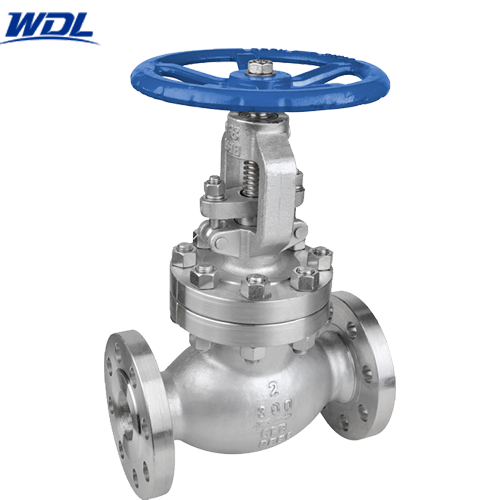
API 623 addresses heavy-duty bolted-bonnet steel globe valves with flanged or butt-welding ends for refinery and related applications. Globe valves are commonly considered when a piping system requires positive isolation with more controlled flow behavior than a gate valve. The valve’s internal flow path, disc and seat geometry create a higher pressure loss than a straight-through isolation valve, so selection must consider the installed duty rather than the line size alone.
Project specifications may combine API 623 with other standards covering pressure-temperature ratings, end connections, testing, emissions or fire performance. The buyer must identify which documents apply and which editions control. The official API balloting system is useful for monitoring development, but the published standard and contract documents remain the purchasing basis.
WDL Valve’s industrial globe valve range includes flanged, butt-welded, Y-pattern, pressure-seal and special-alloy designs. A particular valve should only be described as API 623 compliant after its approved datasheet, design, materials, dimensions and inspection plan have been reviewed against the specified edition.
API 623 3rd Edition: what buyers can verify now
Even before a new edition is published, the procurement team can improve an inquiry by removing ambiguity. Start with service conditions: fluid composition, design and operating pressure, design temperature, normal flow, maximum differential pressure and whether the valve will isolate, throttle or perform both duties. A vague request for “one API globe valve” leaves too much room for incompatible assumptions.
The valve datasheet should identify body and bonnet materials, trim materials, seat or hardfacing requirements, stem and packing, gasket, bolting, end connection, pressure class, handwheel or actuator, flow direction and testing. If the fluid is hazardous or the site controls fugitive emissions, specify the applicable emissions requirement and documentation. API 623 does not replace the project’s process data or emissions specification.
| Selection point | Why it matters | Document to review |
|---|---|---|
| Edition control | A ballot and a published edition are not interchangeable. | Purchase order standards list |
| Flow duty | Isolation and throttling impose different trim and operating demands. | Process datasheet and flow cases |
| Differential pressure | It affects operating force, actuator size and trim loading. | Sizing calculation or torque/thrust data |
| Materials and trim | Corrosion, erosion and temperature limits depend on the complete material set. | Material schedule and certificates |
| Stem sealing | Packing performance depends on fluid, temperature and operating cycles. | Packing specification and emissions evidence if required |
| Inspection and testing | Acceptance criteria must be agreed before manufacturing. | ITP, test procedure and final reports |
How should a steel globe valve be selected?
Confirm the real operating cases
Use normal, minimum and maximum flow cases rather than one nominal flow value. Include upstream and downstream pressure, temperature, fluid phase and any startup or shutdown case. If the valve is expected to regulate flow, the opening range and pressure drop should be reviewed so the valve is not forced to operate continuously at a damaging near-closed position.
Choose the body pattern intentionally
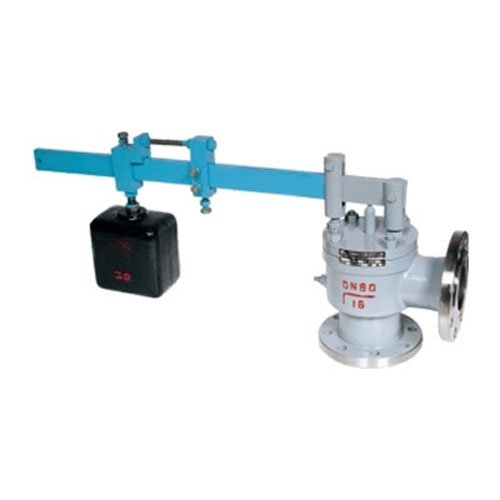
A conventional T-pattern globe valve provides familiar shutoff and regulation behavior but creates a significant change in flow direction. A Y-pattern body can reduce resistance in some high-pressure services. An angle pattern may combine a direction change with the valve function. The correct pattern depends on piping layout, pressure loss, maintenance access and project specification. WDL examples include the J41H flanged globe valve, J61 锻钢截止阀 和 J65Y Y-type globe valve.
Review disc, seat and flow direction together
Disc profile and seat construction influence shutoff, controllability and wear. The manufacturer’s recommended flow direction should be shown on the drawing and valve marking where required. If the project needs hardfacing, specify the material, locations and acceptance criteria rather than using an undefined note such as “hard seat.”
Check the pressure boundary and packing system
Body, bonnet, gasket, bolting and welding details must suit the design pressure and temperature. ASME B16.34-2025 covers pressure-temperature ratings, materials, testing, marking and other requirements for applicable valve constructions; buyers should verify the exact contractual relationship between that standard and API 623 on the official ASME page.
Testing and documentation: avoid generic acceptance language
A purchase specification should state the inspection and pressure-test requirements, witness or hold points, leakage acceptance criteria and required reports. If low-temperature impact testing, positive material identification, nondestructive examination, fire testing or fugitive-emissions qualification is required, list it explicitly. These are not safe assumptions to infer from a short valve description.
Before release for manufacture, review at least the completed datasheet, general arrangement drawing, material schedule, quality plan and inspection and test plan. Before shipment, review the agreed material certificates, pressure-test records, dimensional report, coating or preservation record and any supplementary test documents. Traceability requirements should connect the documents to the supplied valve identification.
Procurement checklist
- State the published API 623 edition and applicable project amendments.
- Provide valve size, pressure class, end connection and face-to-face requirement.
- Define fluid composition, pressure, temperature and all relevant flow cases.
- Identify isolation, throttling, bypass or startup duty.
- Specify body, bonnet, trim, hardfacing, packing, gasket and bolting requirements.
- Confirm operation method, maximum differential pressure and fail action where automated.
- List inspection, testing, emissions, fire-safe and documentation requirements separately.
- Require a signed deviation schedule with the quotation.
For application context, review WDL Valve’s petrochemical process valve guide.
Conclusion
The API 623 3rd Edition completed ballot but was not yet listed as the current edition when this article was researched. Buyers should verify the official catalog, state the governing edition and define the globe valve service, materials, trim, testing and documentation in the purchase specification.
Frequently asked questions
Is API 623 3rd Edition the current edition?
No. The API catalog checked on November 3, 2026 lists the 2nd Edition. The 3rd Edition ballot closed on October 30, but ballot completion does not equal publication.
What is the main purpose of an API 623 globe valve?
It is a heavy-duty steel globe valve for refinery and related process applications. The final duty—positive isolation, limited regulation or both—must still be defined by the project.
Can a globe valve replace a control valve?
Not automatically. A manually operated globe valve can regulate flow, but precise automated control requires sizing, suitable trim, actuator selection and control performance review.
Does API 623 prove fugitive-emissions compliance?
No blanket assumption should be made. If emissions qualification is required, identify the applicable test standard, valve configuration, temperature range and acceptance criteria.
What information should a globe valve supplier return with a bid?
Request the completed datasheet, drawing, material schedule, compliance statement, deviation list, preliminary ITP, torque or thrust data and delivery schedule.
Discuss an API 623 Globe Valve Inquiry
Send WDL Valve the process conditions, valve datasheet, material requirements and inspection scope. We will review the specified edition and prepare a technical quotation.
Content structure informed by Eugen Ullrich’s LLM content framework, CC BY 4.0.