LNG and Cryogenic Valves
LNG and cryogenic valves control liquefied natural gas and other
low-temperature media in storage, transfer, vaporization and loading
systems. WDL Valve supplies extended-bonnet ball, gate, globe and
check valves designed for temperatures down to -196°C.
What Are LNG and Cryogenic Valves?
LNG and cryogenic valves are designed to isolate, regulate or
prevent reverse flow in piping systems carrying extremely cold
liquids and gases. LNG is normally stored at approximately
-162°C, while liquid nitrogen and some other cryogenic media may
require valve designs suitable for temperatures down to -196°C.
At these temperatures, materials contract and some materials lose
toughness. Seats, seals and packing can also change dimensions.
Cryogenic valves therefore require suitable materials, extended
bonnets, controlled assembly and low-temperature testing.
Where Are Cryogenic Valves Used?
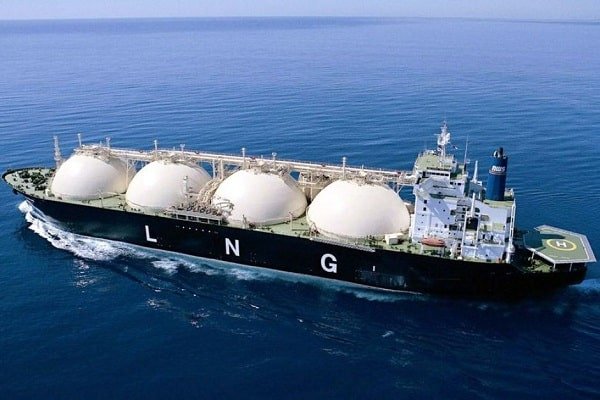
Cryogenic valves are installed throughout LNG production, storage,
transportation and distribution systems. Common installation
locations include:
- LNG storage tanks and tank isolation lines
- LNG loading and unloading stations
- Marine and truck-loading systems
- LNG transfer pumps and pipelines
- Vaporizers and regasification systems
- Pressure-control and bypass lines
- Boil-off gas systems
- Emergency shutdown systems
- Liquid nitrogen, oxygen and argon systems
WDL Valve Products for Cryogenic Projects
The following products are selected from the existing WDL Valve
website. Final bonnet design, materials, seats, pressure class and
cryogenic testing are configured according to the operating medium
and project specification.
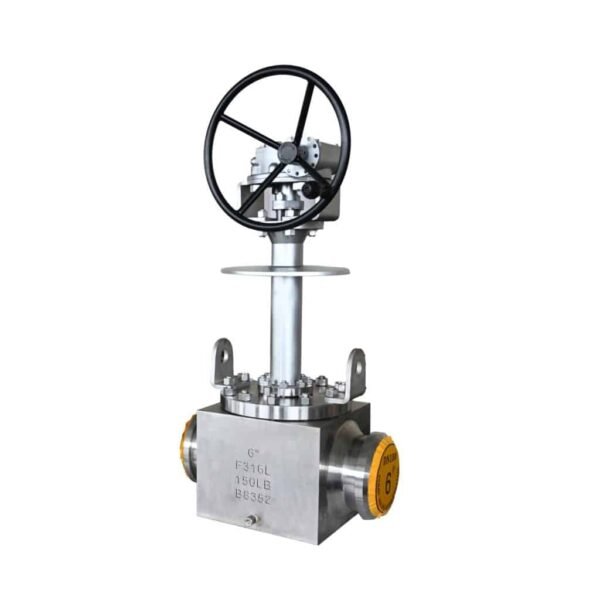
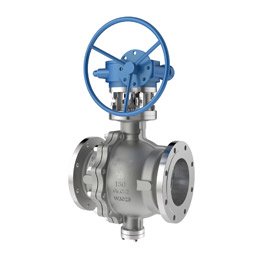
Top Entry Cryogenic Ball Valve
Extended-bonnet ball valve for LNG isolation, transfer
and low-temperature process systems.
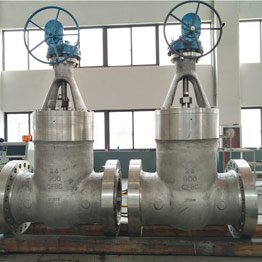
Stainless Steel Gate Valve
Available with project-specific materials and an extended
bonnet for low-temperature pipeline isolation.
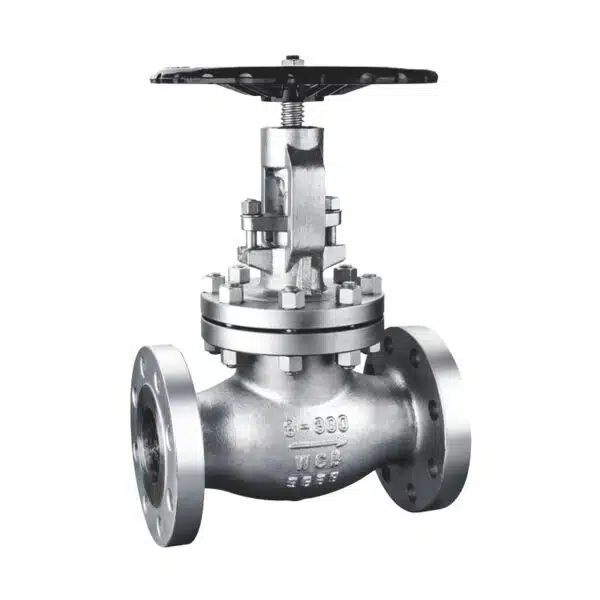
CF8 Stainless Steel Globe Valve
Globe valve for isolation and flow regulation. Cryogenic
construction is supplied to project requirements.
Which Cryogenic Valve Type Should Be Selected?
| Valve Type | Main Function | Typical Application |
|---|---|---|
| Cryogenic ball valve | Fast operation and tight isolation | LNG transfer, loading and emergency isolation |
| Cryogenic gate valve | Full-open or full-closed isolation | Storage tanks and LNG transfer pipelines |
| Cryogenic globe valve | Flow regulation and isolation | Vaporization, bypass and pressure-control lines |
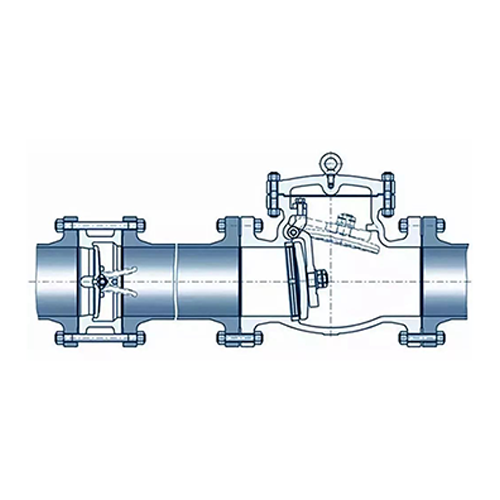
| Cryogenic check valve | Automatic reverse-flow prevention | Pump outlets and LNG transfer systems |
Why Do Cryogenic Valves Use an Extended Bonnet?
An extended bonnet increases the distance between the cryogenic
medium and the stem packing. It reduces heat transfer and helps
keep the packing area at a temperature where the sealing materials
can continue to operate.
The extension also allows a vapor space to form above the liquid.
This protects the stem seal from direct contact with the cryogenic
liquid and reduces the risk of external leakage.
Bonnet length and installation direction should follow the valve
design and project requirements. In many cryogenic applications,
the stem must be installed in an approved upright position so the
packing remains above the liquid level.
Materials for LNG and Cryogenic Valves
Austenitic stainless steels are commonly used for cryogenic valves
because they retain useful toughness at very low temperatures.
Suitable grades may be selected for the body, bonnet, closure
member, stem and internal trim.
All pressure-containing and wetted components must be checked for
the minimum design temperature. Body materials alone do not
determine cryogenic suitability. Bolting, packing, gaskets, seats
and welding materials also need to remain suitable after thermal
contraction.
Material certificates, impact testing and other inspection
requirements should be stated in the purchase specification when
required by the project.
Soft-Seated or Metal-Seated Cryogenic Valve?
Soft-seated cryogenic valves may provide very tight shutoff when
the seat material is compatible with the medium, pressure and
minimum temperature. Seat design must allow for dimensional changes
during cooling and warming.
Metal-seated valves may be selected when the project requires
fire-safe construction, greater resistance to wear or operation
outside the limits of a soft-seat material. The required leakage
acceptance criteria should always be specified.
Cryogenic Valve Testing
Cryogenic testing verifies that the valve can operate and maintain
acceptable leakage performance at the specified low temperature.
The test may include cooling, pressure stabilization, operating
cycles, seat-leakage inspection and external-leakage inspection.
The purchaser should specify the test temperature, test medium,
pressure, holding time, number of operating cycles and leakage
acceptance criteria. Testing requirements may differ between LNG,
liquid nitrogen, liquid oxygen and other cryogenic services.
How to Select an LNG and Cryogenic Valve
- Confirm the cryogenic medium and minimum operating temperature.
- Provide the valve size, pressure class and end connection.
- State the design pressure and normal operating pressure.
- Select compatible body, trim, seat, packing and gasket materials.
- Define the required shutoff and leakage performance.
- Confirm extended-bonnet and installation requirements.
- State fire-safe and antistatic requirements where applicable.
- Provide the required cryogenic test procedure and acceptance criteria.
- Select manual, pneumatic, electric or hydraulic actuation.
Information Required for a Cryogenic Valve Quotation
| Required Information | Details to Provide |
|---|---|
| Valve | Type, size, quantity and pressure class |
| Medium | LNG, nitrogen, oxygen, argon or other fluid |
| Conditions | Minimum temperature and design pressure |
| Materials | Body, bonnet, stem, trim, seat and seals |
| Operation | Manual, pneumatic, electric or hydraulic |
| Testing | Cryogenic test temperature and leakage requirements |
Frequently Asked Questions
What temperature can an LNG valve handle?
LNG valves may be designed for temperatures around -162°C. Valves
for liquid nitrogen and other cryogenic media may require a minimum
design temperature down to -196°C. The specified temperature must
match the actual medium and project conditions.
Why is an extended bonnet required?
An extended bonnet separates the stem packing from the cryogenic
liquid. It reduces heat transfer and helps the packing retain its
sealing performance.
Can cryogenic valves be automated?
Cryogenic ball, gate and globe valves can use pneumatic, electric
or hydraulic actuators. Actuator selection should consider valve
torque, differential pressure, operating time and fail-safe action.
Do cryogenic valves require special testing?
Cryogenic valves may require low-temperature testing to verify
operating performance, seat leakage and external leakage. The test
procedure and acceptance criteria should be included in the project
specification.
Are stainless steel valves suitable for LNG?
Suitable austenitic stainless steels are commonly used for LNG
valves, but body material alone is not enough. The valve also needs
suitable trim, seats, packing, bonnet design and cryogenic testing.
Discuss Your LNG Valve Application
Send WDL Valve your medium, minimum temperature, pressure class,
materials and testing requirements for technical review and quotation. Review our cryogenic ball valve manufacturer page for top-entry and side-entry options.