Welcome to Xiamen WDL VALVE Co., Ltd.
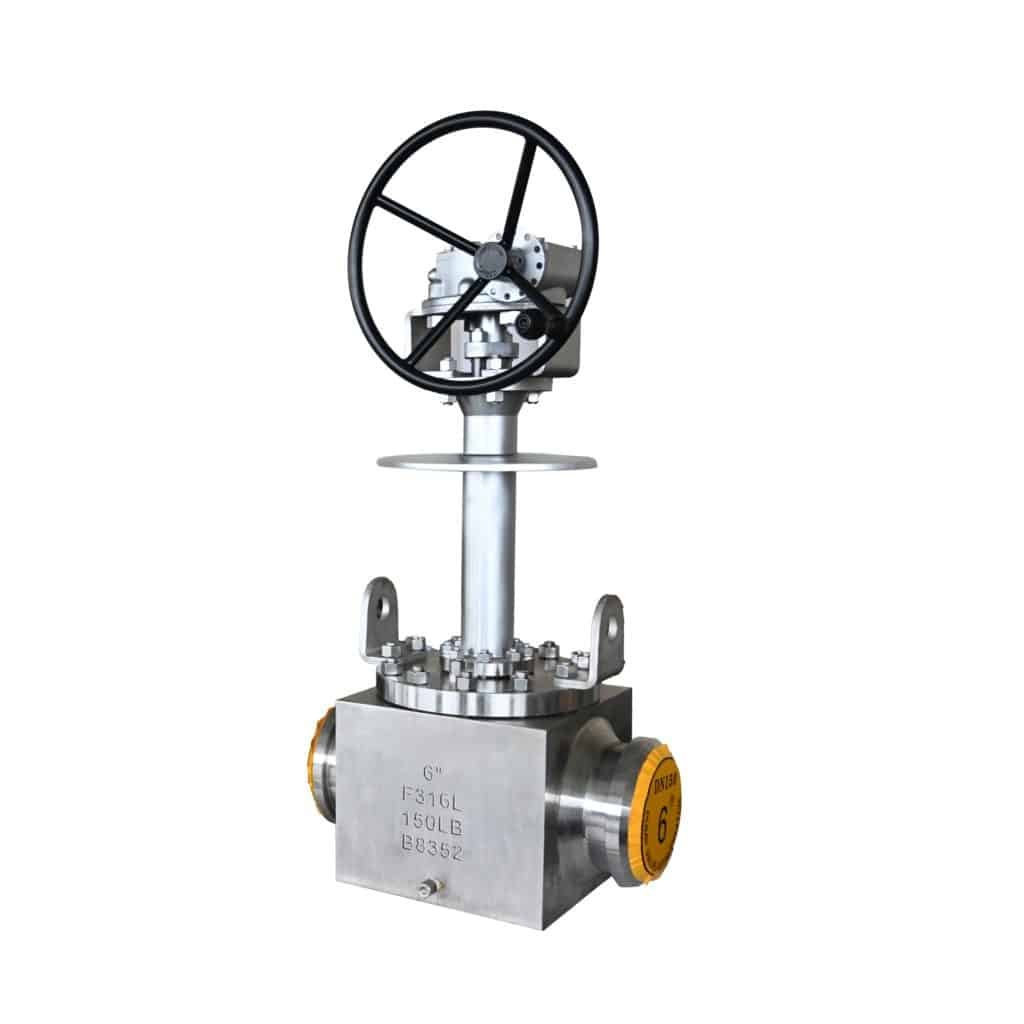
WDL Valve supplies top-entry and side-entry cryogenic ball valves for LNG storage, transfer, loading and vaporization systems. Extended-bonnet construction, controlled cavity pressure and project-specific seat arrangements help support reliable isolation at temperatures down to −196°C when specified for the service.
Top-entry construction supports in-line access to internal parts where maintenance space and pipeline continuity are important. Review the Top Entry Cryogenic Ball Valve and its selection guide.
Side-entry construction provides a proven bolted-body arrangement for LNG isolation and project-specific pressure classes. See the Side Entry Cryogenic Ball Valve for LNG Service and the technical guide.
A useful inquiry should define the fluid, minimum and maximum design temperatures, operating and design pressure, nominal size, end connection, required shutoff direction, preferred body and trim materials, actuator type and applicable inspection or testing requirements.
Cryogenic ball valves are commonly evaluated for tank isolation, loading arms, transfer lines, pump and compressor skids, vapor return, boil-off gas handling and vaporization systems. Valve selection should account for thermal contraction, bonnet orientation, trapped liquid expansion, operating torque and the ability to inspect critical sealing components.
For a broader system-level overview, read the LNG and Cryogenic Valves guide.
WDL Valve reviews the service data before recommending a configuration. The quotation can identify the proposed valve type, nominal size and pressure class, body and trim materials, seat arrangement, end connection, operator and required testing. Providing a datasheet or line list helps reduce clarification cycles and prevents a generic valve from being selected for a critical low-temperature duty.
It separates the stem packing area from the cold fluid zone and helps keep the packing at a temperature where it can seal and operate effectively. The required extension depends on the valve design, insulation and installation orientation.
Top entry is useful when in-line maintenance access is a priority. Side entry is widely used for conventional bolted-body construction. The right choice depends on line size, pressure class, maintenance strategy and project specification.
Send the fluid, size, pressure class, temperature range, material preference, connection standard, seat requirement, operation method, quantity and inspection requirements.
Share your operating conditions, valve datasheet or project specification. WDL Valve will review the requirements and recommend a suitable cryogenic ball valve configuration.
Send your valve specifications, drawings or RFQ. Our engineering team will review the operating conditions and contact you with a suitable solution.
WhatsApp us