
Top Entry Cryogenic Ball Valve: Design, Applications and Selection Guide
A top entry cryogenic ball valve provides
quarter-turn isolation for LNG, liquid nitrogen and other
low-temperature media. Its top-access body allows internal
components to be inspected from above, while an extended stem
keeps the packing and operator away from the cold pipeline and
surrounding frost.
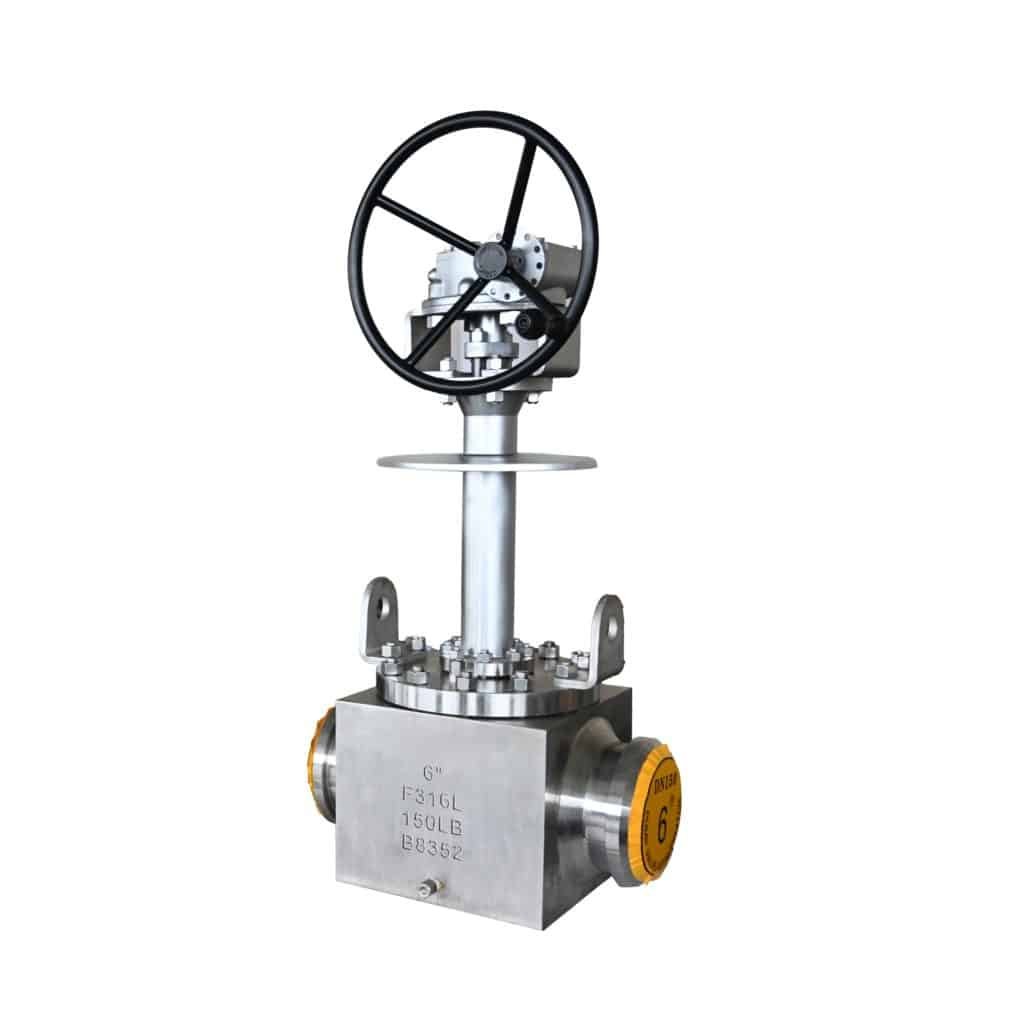
low-temperature isolation service.
What Is a Top Entry Cryogenic Ball Valve?
A top entry cryogenic ball valve has a one-piece or integral-style
body with a removable upper cover. The ball, seats, stem and related
internal parts can be accessed through the top opening after the
valve is safely isolated, depressurized and warmed according to the
approved maintenance procedure.
The cryogenic configuration normally uses an extended stem or
bonnet. This extension reduces heat transfer toward the packing
area and places the operating mechanism above pipe insulation and
ice formation.
This arrangement supports reliable stem sealing while providing
better access for inspection and maintenance in LNG and other
low-temperature installations.
Why Choose a Top Entry Design?
| Feature | Top Entry Cryogenic Valve | Typical Side Entry Valve |
|---|---|---|
| Internal access | Internal parts are accessed through the upper cover | Body sections normally separate from the side |
| Pipeline removal | May allow in-line maintenance when the design and site procedure permit | Often requires more piping clearance or valve removal |
| Main body joints | Fewer main body split joints | Usually two-piece or three-piece construction |
| Typical application | Critical lines where access and piping stability are important | General process isolation and standard piping layouts |
Top access does not mean the valve can be opened while cold or
pressurized. Before maintenance, the line must be isolated,
depressurized, drained, purged and brought to a safe temperature.
WDL Top Entry Cryogenic Ball Valve Range
WDL Valve lists the following technical range for its
Top Entry Cryogenic Ball Valve
.
Final limits depend on the pressure class, body material, seat
system, sealing materials and project specification.
| Item | Published WDL Range |
|---|---|
| Size | DN25–DN600 / 1–24 in. |
| Temperature | −196°C to +425°C, subject to material and seat rating |
| Body materials | CF8, CF8M, CF3, CF3M, F304L or F316L |
| Testing | BS 6364 and project requirements |
| Typical media | LNG, liquid nitrogen and other approved low-temperature process media |
How Does the Extended Stem Protect the Packing?
The stem extension increases the distance between the cold process
fluid and the packing. This helps keep the packing at a temperature
where it can maintain elasticity and sealing force.
The extension also positions the handwheel, gearbox or actuator
above the insulation thickness and frost zone. This improves
accessibility and reduces the risk of the operating mechanism
becoming covered by ice.
The required extension length should be selected according to the
minimum design temperature, insulation thickness and operating
arrangement. A generic extension length should not be copied from
another project.
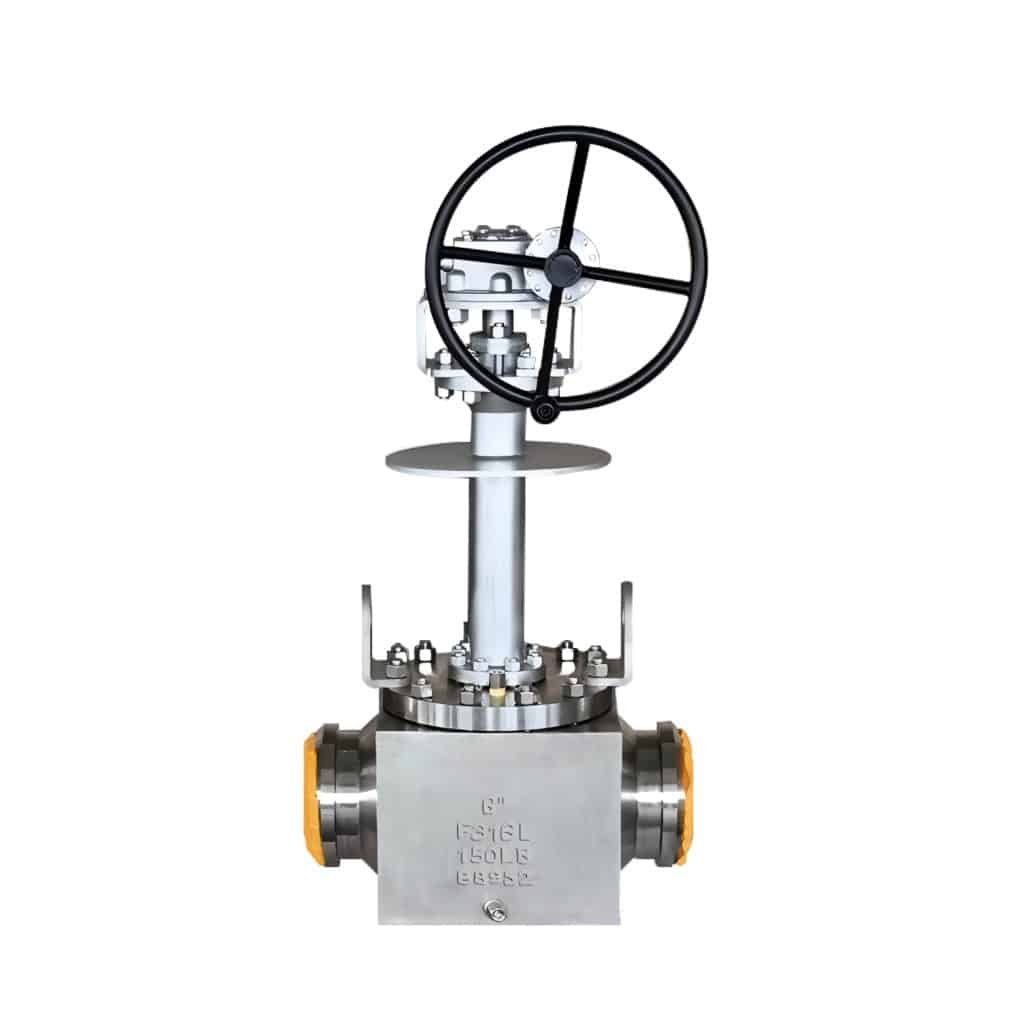
insulation and pipeline frost.
Where Are Top Entry Cryogenic Ball Valves Used?
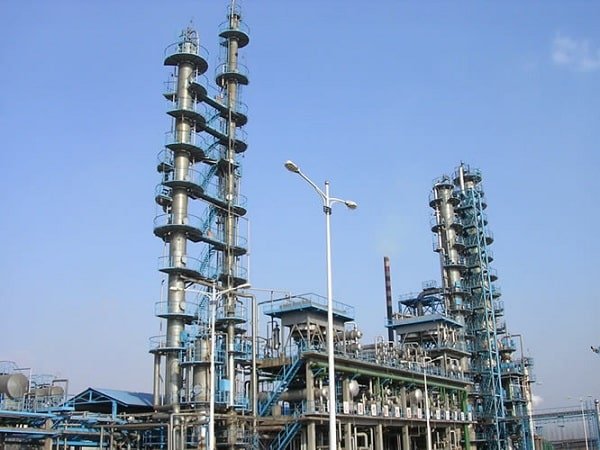
- LNG storage tanks, transfer lines and loading systems
- LNG receiving terminals and vaporization units
- Liquid nitrogen production and distribution systems
- Low-temperature chemical and petrochemical processing
- Industrial gas separation and storage equipment
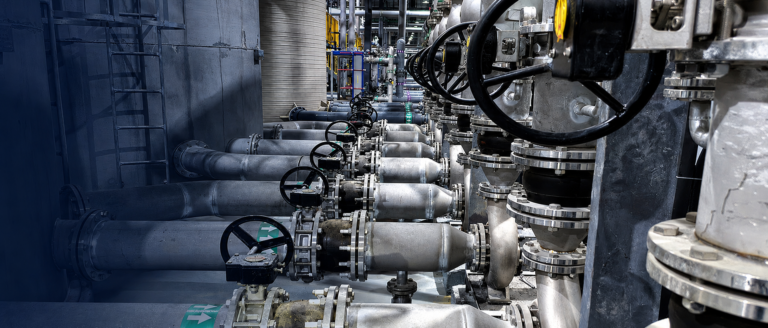
- Cryogenic pump isolation and equipment bypass lines
ISO 28921-1:2022 covers design, dimensions, materials,
manufacturing and production testing for several valve types used
in low and cryogenic temperatures from −50°C down to −196°C.
LNG projects may also impose additional requirements for
cryogenic testing, fire-safe performance, fugitive emissions,
cleanliness and documentation. The applicable standards and
editions should therefore be stated in the purchase specification.
What Must Be Checked Before Selection?
1. Minimum design temperature
State both the normal operating temperature and minimum design
temperature. The body, stem, bolting, seats and seals must remain
suitable at the lowest specified temperature.
2. Seat and seal arrangement
Soft seats may provide tight shutoff, but the selected polymer
must be rated for the temperature and process fluid. Metal seats
may be considered for severe cycling, particles, wear or
project-specific fire requirements.
3. Body cavity pressure relief
Cryogenic liquid trapped inside the body cavity can expand rapidly
as it warms. The seat orientation and cavity-relief arrangement
must prevent pressure from building to an unsafe level.
4. Stem sealing and installation position
The stem extension and installation position must keep the cold
liquid away from the packing zone. The valve should be installed
according to the approved WDL drawing.
5. Cleaning and contamination control
Oxygen or high-purity gas service may require special degreasing,
clean assembly, sealed packaging and documented cleanliness
acceptance criteria.
Recommended Testing and Documentation
The inspection and testing plan should match the actual process
conditions and governing project specification. Depending on the
project, the document package may include:
- Material certificates and impact-test records
- Shell and seat pressure-test reports
- Cryogenic type-test or production-test reports
- Seat leakage and operating-torque records
- Fire-safe test evidence when specified
- Fugitive-emission qualification when specified
- Nondestructive examination reports
- Cleaning records and approved manufacturing drawings
For an independent standards reference, see
ISO 28921-1:2022
.
Pipeline projects may also reference
API Specification 6D
when applicable.
Information Required for a Quotation
- Valve size, pressure class and end connection
- Process fluid and complete fluid composition
- Operating and design pressure
- Operating temperature and minimum design temperature
- Body, ball, stem, seat and sealing materials
- Floating-ball or trunnion-mounted construction
- Full bore or reduced bore requirement
- Cavity pressure-relief and seat direction requirements
- Manual, gearbox, pneumatic or electric operation
- Fire-safe and fugitive-emission requirements
- Cleaning and packaging requirements
- Required certificates and third-party inspection
Frequently Asked Questions
What temperature can a WDL top entry cryogenic ball valve handle?
WDL publishes a temperature range from −196°C to +425°C. The final
allowable temperature depends on the body material, seat, seals,
pressure class and approved project design.
Can the valve be maintained without removing it from the pipeline?
The top entry construction can provide access to internal parts
from above. Maintenance is only permitted after complete
isolation, depressurization, draining, purging and safe warming.
Why is cavity pressure relief important in LNG service?
Liquid trapped in the valve body cavity expands as it warms. The
valve requires an approved seat orientation or cavity-relief
arrangement to prevent unsafe pressure buildup.
Which stainless-steel materials are available?
WDL lists CF8, CF8M, CF3, CF3M, F304L and F316L. Final material
selection depends on the process fluid, temperature, pressure and
project specification.
What information should be sent to WDL Valve?
Send the process datasheet, valve size, pressure class, minimum
temperature, fluid composition, material requirements, operating
method and required testing documents.
One Comment