Welcome to Xiamen WDL VALVE Co., Ltd.

WDL Valve supplies corrosion-resistant valves for seawater intake, cooling-water, desalination, offshore and marine piping. Material options include duplex and super duplex stainless steel, titanium, nickel aluminum bronze and selected nickel alloys, matched to chloride level, temperature, velocity and project specification.
Seawater service is not defined by chloride content alone. Temperature, oxygen content, flow velocity, stagnant zones, biological activity, galvanic couples and fabrication quality all affect corrosion performance.
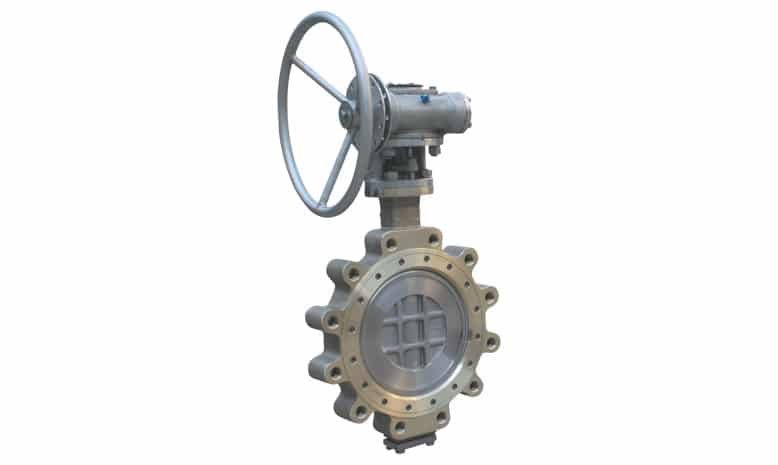
Available configurations include ball, butterfly, gate, globe, check and specialty valves in corrosion-resistant materials. Explore representative products:
See the complete duplex and super duplex valve range or browse all industrial valve applications.
Typical systems include seawater intake and outfall, reverse-osmosis pretreatment, high-pressure RO, brine discharge, cooling-water loops, firewater, ballast water, offshore utility piping, shipboard systems and coastal power or industrial facilities.
The valve body is only part of the materials review. Stem, disc, ball, seat, fasteners, overlay and gasket materials should be checked together to limit crevice corrosion and galvanic incompatibility.
For a deeper engineering overview, read the Seawater & Desalination Valves selection guide.
No. Suitability depends on alloy grade, temperature, chloride content, velocity, oxygen and exposure conditions. Ordinary stainless grades can be vulnerable to pitting and crevice corrosion; duplex, super duplex, titanium or NAB may be evaluated for more demanding service.
There is no single best type. Butterfly valves are compact for larger lines, ball valves provide tight isolation, gate valves suit full-bore isolation and check valves prevent reverse flow. The duty and operating profile determine the choice.
Yes. Send the datasheet, water analysis, material requirements and inspection scope so the valve configuration can be reviewed against the actual service.
Send your seawater composition, temperature, pressure, valve size, connection and material requirements for an application review and quotation.
Send your valve specifications, drawings or RFQ. Our engineering team will review the operating conditions and contact you with a suitable solution.
WhatsApp us