Seawater & Desalination Valves: Materials and Selection Guide
Valve Selection Guide
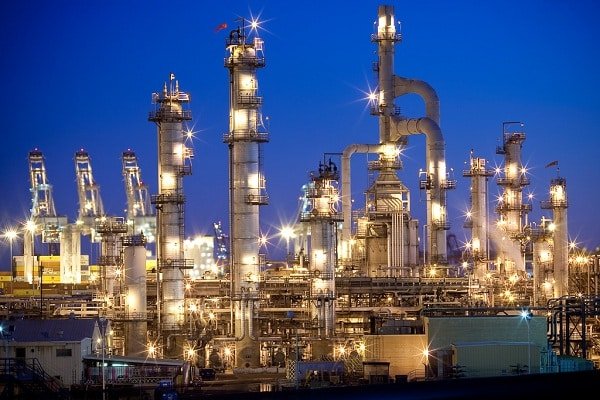
Seawater and desalination valves are used in intake, pretreatment, reverse osmosis, brine discharge and cooling-water systems. This guide explains how to choose suitable valve types and corrosion-resistant materials for chloride-rich service.
Seawater contains high levels of chloride ions, which can cause pitting corrosion, crevice corrosion and stress corrosion cracking in unsuitable materials. Desalination plants also include high-pressure reverse-osmosis lines, brine discharge, chemical dosing, filtration and cooling-water circuits, so one valve material cannot fit every position.
WDL Valve supplies standard and custom industrial valves for seawater, desalination, offshore, marine, chemical and power projects. Valve materials, sealing structure and operation method can be selected according to the working medium, pressure class, temperature, flow velocity and project specification.
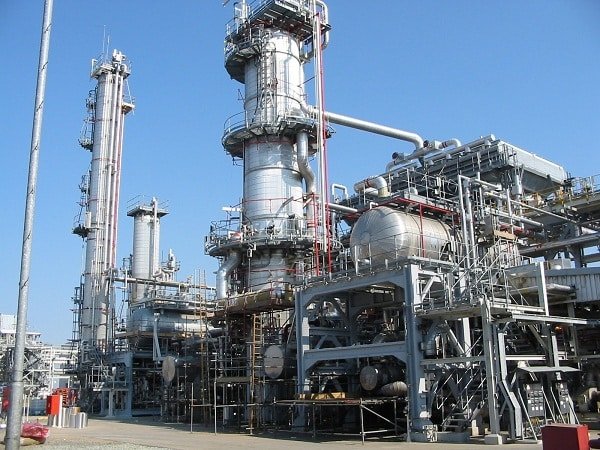
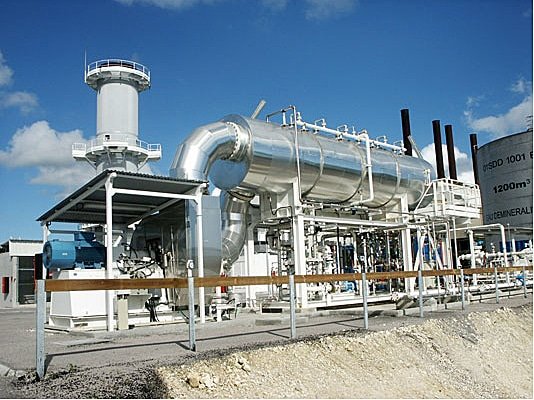
Where Seawater and Desalination Valves Are Used
Seawater valves are installed in piping systems that transport, isolate, regulate or protect seawater flow. In desalination plants, they help support stable operation from seawater intake to treated-water production and brine discharge.
Typical Systems
- Seawater intake lines
- Pretreatment and filtration systems
- Reverse osmosis high-pressure lines
- Brine discharge pipelines
- Cooling-water and utility systems
Main Functions
- On/off isolation
- Flow regulation
- Backflow prevention
- Pressure control
- Equipment and pipeline protection
Common Valve Types for Seawater Service
| Valve Type | Typical Use | Selection Notes |
|---|---|---|
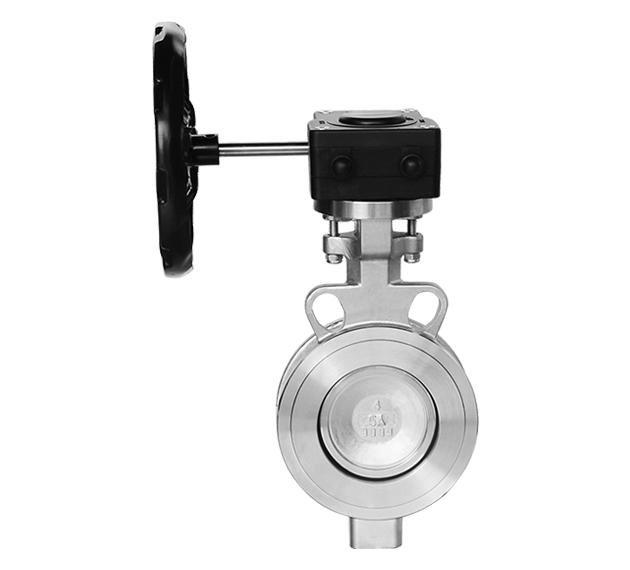
| Butterfly Valve | Large-diameter seawater intake and cooling-water lines | Compact structure, low weight and suitable for frequent operation |
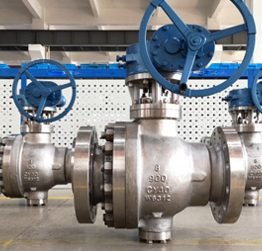
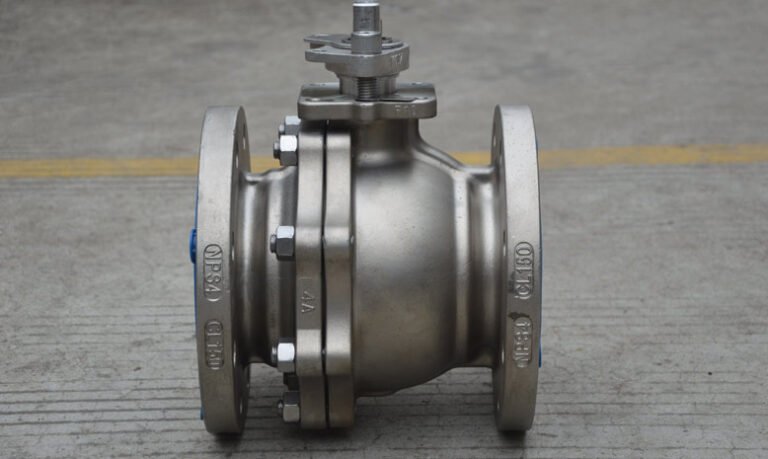
| Ball Valve | Isolation service and high-pressure lines | Good sealing performance and low flow resistance |
| Gate Valve | Main isolation service | Suitable for fully open or fully closed operation |
| Globe Valve | Flow regulation and throttling service | Better control performance than gate valves |
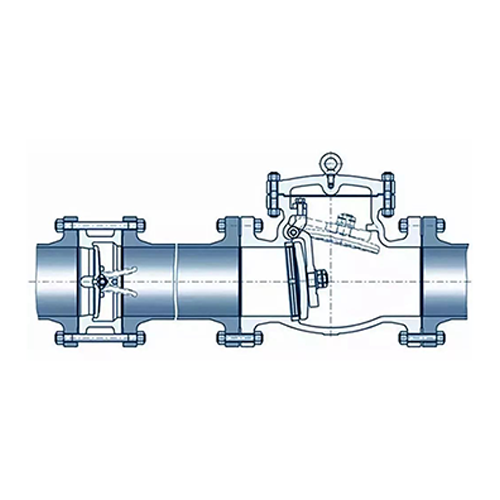
| Check Valve | Backflow prevention for pumps and pipelines | Protects equipment from reverse flow and water hammer |
Recommended Materials for Seawater Valves
Material selection is one of the most important decisions for seawater valves. The correct material depends on chloride concentration, oxygen content, temperature, pressure, flow rate and whether the valve is continuously immersed or intermittently exposed.
| Material | Typical Grade | Why It Is Used | Common Applications |
|---|---|---|---|
| Duplex Stainless Steel | 2205 / S31803 / S32205 | Good strength and chloride corrosion resistance | Seawater piping, filtration, utility systems |
| Super Duplex Stainless Steel | 2507 / S32750 / S32760 | Higher resistance to pitting and crevice corrosion | High-chloride and higher-pressure seawater service |
| Titanium | Gr.2 / Gr.12 | Excellent seawater corrosion resistance | Desalination, chemical seawater and critical service |
| Nickel-Aluminum Bronze | C95800 / NAB | Widely used in marine and seawater equipment | Marine valves, pumps and seawater systems |
| Nickel Alloys | Monel / Hastelloy / Inconel and nickel alloys | Used for aggressive media or special chemical conditions | Severe-service seawater and chemical applications |
Key Selection Factors
- Medium: seawater, brine, treated water, chemical dosing fluid or mixed process media.
- Pressure and temperature: especially important for reverse-osmosis and pump discharge lines.
- Flow velocity: high velocity may increase erosion, vibration and corrosion risk.
- Valve size and connection: flange standard, face-to-face dimension and actuator space must match the pipeline design.
- Operation method: manual, gearbox, pneumatic, electric or control actuation.
- Lifecycle cost: the lowest purchase price may not be the best choice if corrosion causes early replacement.
How WDL Valve Supports Seawater and Desalination Projects
WDL Valve can manufacture butterfly valves, ball valves, gate valves, globe valves, check valves, plug valves, strainers and custom valves for seawater and desalination applications. Our team can review project requirements such as valve type, size, pressure class, material, end connection, operation method and working conditions.
For engineering and procurement teams, clear technical information helps shorten the selection process. When requesting a quote, please provide the working medium, valve size, pressure rating, material requirement, connection standard, temperature, quantity and any drawing or specification.
Need seawater or desalination valves?
Send us your valve type, size, pressure, material, medium and project requirements. WDL Valve will help evaluate a suitable valve solution for your seawater or desalination system. Review our seawater valve manufacturer page for material options and representative products.