Oil Lever Gate Valve: 7 Essential Checks for Fuel Oil Systems
This guide explains how the valve works, where it is used, how it differs from a conventional gate valve and what engineers should confirm before specifying one. For broader isolation-valve selection, see our industrial gate valve manufacturer overview. Final selection must follow the approved project documents, local code requirements and the authority having jurisdiction.
What Is an Oil Lever Gate Valve?
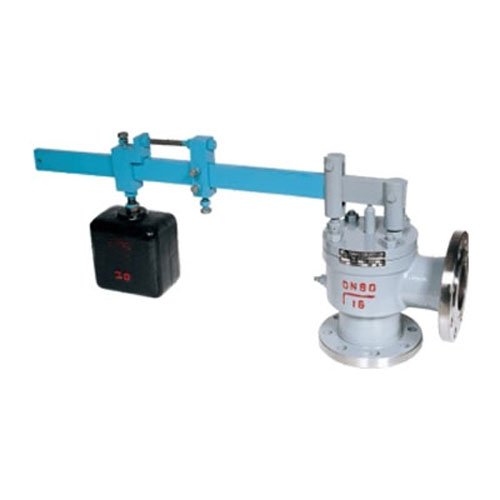
An oil lever gate valve combines a full-opening gate-valve flow path with a lever-operated quick-closing mechanism. During normal service, a cable or trip wire holds the valve open. One or more fusible links can be placed in the monitored area. If a link releases at its rated temperature, spring force drives the gate to the closed position and stops fuel flow.
The arrangement provides a local, mechanical response to heat. A limit switch may also be specified to report valve position or initiate an alarm, but monitoring does not replace the mechanical closing function. The exact mechanism, mounting position, link rating and reset procedure depend on the approved valve model.
How Does an Oil Lever Gate Valve Work?
- Normal position: The operator opens the valve and secures the lever through the trip-wire arrangement.
- Heat detection: A fusible link is installed at a location defined by the system design and applicable code.
- Mechanical release: Heat causes the specified fusible link to separate or release.
- Quick closure: The stored spring force moves the lever and closes the gate.
- Inspection and reset: Qualified personnel investigate the event, inspect the system and reset the valve according to the manufacturer’s instructions.
The valve is normally selected for emergency isolation rather than routine throttling. Operating a gate valve partly open can expose the gate and seats to vibration, erosion and unstable flow.
Where Is This Valve Used in Fuel Oil Systems?
Oil lever gate valves are associated with fuel oil specialties used around liquid-fuel storage and combustion equipment. Typical locations may include the building fuel-line entrance, the tank outlet, the upstream side of a filter, the burner supply connection or another point identified by the project engineer and local code.
Common services include:
- Boiler and oil-burner fuel supply lines
- Emergency generator fuel systems
- Main storage tank and day-tank piping
- Diesel, kerosene and compatible fuel oil service
- Mechanical rooms requiring heat-actuated fuel isolation
Fuel compatibility must be confirmed for the actual product. Biodiesel content, additives, viscosity and operating temperature can affect the body material, seat design, packing and listing required for the valve.
Oil Lever Gate Valve vs. Other Shutoff Valves
| Valve type | Primary function | Closing method | Main selection point |
|---|---|---|---|
| Oil lever gate valve | Emergency fuel isolation | Mechanical lever, spring and release arrangement | Approved fuel, listing, link rating and installation layout |
| Conventional gate valve | Manual pipeline isolation | Handwheel, gear or actuator | Pressure class, material, ends and shutoff requirement |
| Ball valve | Quarter-turn isolation | Manual lever or actuator | Seat compatibility, fire-safe requirements and bore |
| Solenoid or motorized valve | Automatic control or shutdown | Electrical signal | Fail position, power supply, controls and approval |
Each valve has a different role. A control-system valve can provide remote shutdown, while a heat-actuated oil lever gate valve provides a local mechanical response. A project may require both functions rather than treating them as interchangeable.
7 Checks Before Selecting an Oil Lever Gate Valve
- Fuel type: Identify diesel, kerosene, fuel oil grade, biodiesel blend and all additives.
- Operating conditions: Provide normal and maximum pressure, temperature, flow and suction conditions.
- Valve size and connection: Confirm pipe size, threaded or flanged ends, pressure rating and available installation length.
- Required listing: Identify the applicable product listing, code edition and authority having jurisdiction. Do not assume one approval covers every fuel or installation.
- Release arrangement: Define the fusible-link rating, cable length, number of links and monitored locations according to the approved design.
- Mounting and access: Verify pipe orientation, lever clearance, support, inspection access and the manufacturer’s installation limits.
- Monitoring: State whether a position switch, fire alarm signal, pump interlock or building-management indication is required.
What Standards and Project Requirements Apply?
The applicable requirements depend on the country, fuel, appliance and project. In the United States, NFPA 31 addresses oil-burning equipment installations, while listed valves for diesel, biodiesel blends, kerosene and fuel oil may fall under UL 842B. The project engineer should confirm the adopted code edition, approved installation points and any requirements from the local authority.
A procurement specification should identify the required listing, valve pressure and temperature limits, compatible fuels, leakage expectations, test certificates and installation accessories. Terms such as “fire valve” or “quick-closing valve” are not sufficient on their own because they can describe different products.
Installation and Maintenance Considerations
Install the valve in the approved orientation and leave enough room for the lever to travel fully. The trip wire should follow the manufacturer’s routing instructions and remain free of obstruction, excessive friction and accidental loading. Fusible links must be placed at the specified locations and must not be painted, bypassed or replaced with an unapproved item.
Inspection should confirm that the valve is accessible, the cable and links are intact, the lever moves freely, identification remains visible and no leakage is present at the body, ends or stem packing. Functional testing and reset intervals should follow the manufacturer’s instructions, the site maintenance plan and local requirements.
Information to Include in an RFQ
| RFQ item | Information required |
|---|---|
| Service | Fuel grade, additives, viscosity and operating temperature |
| Valve | Size, pressure rating, body material and end connection |
| Safety function | Trip arrangement, fusible-link rating and required closing action |
| Compliance | Required listing, standard, code edition and certificates |
| Accessories | Cable kit, additional links, limit switch and mounting hardware |
Frequently Asked Questions
Does an oil lever gate valve need electrical power?
A fully mechanical design can close through spring force when its fusible-link or trip arrangement releases. Optional switches may use electricity for status indication or interlocking.
Can the valve regulate fuel flow?
An oil lever gate valve is generally intended for isolation and emergency closure. It should not be used as a throttling valve unless the manufacturer specifically approves that duty.
Is every oil lever gate valve suitable for diesel and biodiesel?
No. Confirm the approved fuels, blend limits, materials and listing for the exact model. Fuel composition and temperature can change seal and packing requirements.
Can a standard gate valve replace a fusible-link safety valve?
A standard gate valve does not automatically provide heat-actuated closure or the required product listing. The specified safety function must be met by an approved assembly.
Discuss Your Fuel Oil Valve Requirements
WDL Valve supplies industrial gate valves and other isolation and non-return valve solutions for oil and industrial piping. For an application review, send the fluid, pressure, temperature, valve size, connection, required standard and safety function through the WDL Valve contact page. Availability and compliance must be confirmed against the final project datasheet.
Author: Wong WP, Sales Manager, Xiamen WDL Valve Co., Ltd.