Pulp and Paper Valves: Applications, Types and Selection Guide
Pulp and paper valves isolate equipment, control flow and prevent reverse flow in stock preparation, chemical recovery, bleaching, steam, water and wastewater systems. The correct valve must resist corrosion, fiber accumulation, scaling and abrasive solids without restricting the process.
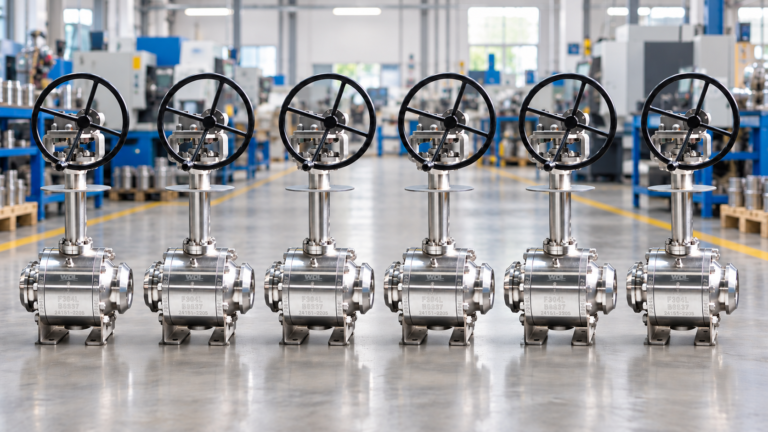
WDL Valve supplies ball, butterfly, gate, globe and check valves with metallic or soft-seated configurations for pulp and paper mill applications.
Where Are Valves Used in Pulp and Paper Mills?
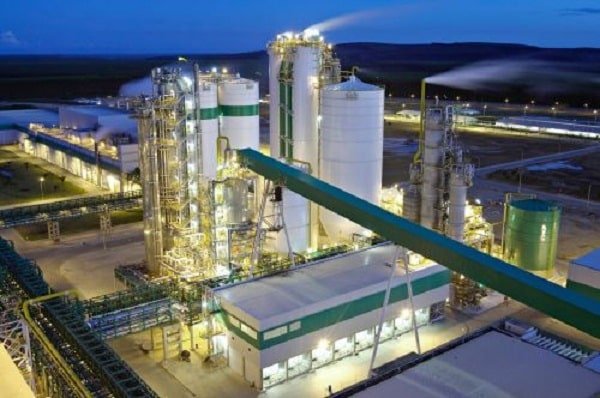
A paper mill uses valves from raw-water intake through pulping, washing, bleaching, paper production, chemical recovery and wastewater treatment. Each area has different requirements for bore design, corrosion resistance, solids handling and shutoff performance.
| Mill Area | Typical Media | Main Challenge | Common Valve Types |
|---|---|---|---|
| Stock preparation | Pulp stock, fiber and additives | Fiber buildup, plugging and abrasion | Ball, butterfly and gate valves |
| Digester and washing | Pulp, white liquor and wash water | Alkalinity, temperature and solids | Ball, gate, globe and check valves |
| Chemical recovery | Black liquor, green liquor and white liquor | Corrosion, scaling and high solids | Ball, gate and check valves |
| Bleaching plant | Oxidizing chemicals and pulp slurry | Chemical compatibility and leakage control | Ball, butterfly and diaphragm-type service |
| Steam and condensate | Steam, hot water and condensate | Pressure, temperature and thermal cycling | Gate, globe and check valves |
| Water and wastewater | Raw water, process water, effluent and sludge | Suspended solids, corrosion and fouling | Butterfly, gate and check valves |
WDL Valves for Pulp and Paper Applications
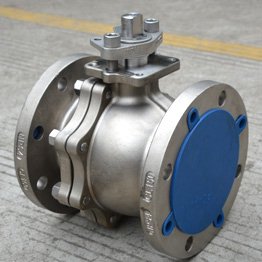
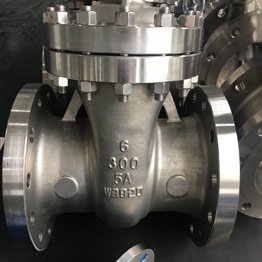
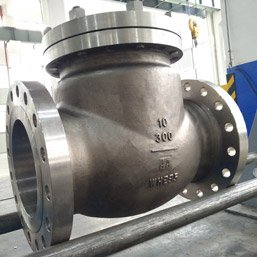
These WDL products are practical starting points for corrosive chemical, water, utility and non-return duties. Actual suitability depends on the chemical composition, fiber concentration, solids content, pressure, temperature and required leakage performance.
Which Valve Types Are Suitable for Pulp and Paper Service?
Ball Valves
Full-port ball valves provide a relatively unobstructed flow path and tight isolation. They are useful for chemical, liquor and utility lines when the selected seat and body materials are compatible with the medium.
Butterfly Valves
Butterfly valves are compact and economical for large water, air and low-solids lines. Disc, liner and seat materials must be checked carefully before use with bleaching chemicals or abrasive stock.
Gate Valves
Gate valves provide low-resistance isolation when fully open. Standard wedge gate valves suit many clean-fluid services, while stock or slurry duties may require a bore and closure design specifically intended to cut through or avoid fiber deposits.
Globe Valves
Globe valves regulate steam, water and clean chemicals. They offer better throttling than standard gate valves but create a higher pressure drop and are generally less suitable for heavy fiber stock.
Check Valves
Check valves prevent reverse flow through pumps and process lines. Correct sizing is important because an oversized check valve may operate unstably, while an unsuitable internal design can collect fiber or scale.
How Do Stock, Black Liquor and Bleaching Chemicals Affect Valve Selection?
Pulp stock contains suspended fibers that can bridge narrow passages, pack into body cavities and interfere with the seat. Favor a smooth, open flow path and avoid unnecessary dead zones; a correctly selected knife gate valve is one option for solids-containing isolation service. The valve size should reflect stock consistency and velocity, not pipe size alone.
Black liquor can be hot, alkaline, viscous and rich in dissolved or suspended solids. Scaling and erosion may increase as liquor becomes concentrated. Body, trim, seat and packing selection must be based on the actual concentration and operating temperature.
White liquor contains active alkaline pulping chemicals. Material compatibility, stem sealing and safe isolation are central selection points. A general stainless-steel label is not enough; the specific alloy and service data must be reviewed.
Bleaching chemicals may be strongly oxidizing or corrosive. Compatibility can change with concentration, contaminants and temperature, so materials must be evaluated against the exact chemical rather than the general term “bleach.”
How Should Pulp and Paper Valve Materials Be Selected?
| Material or Feature | Typical Consideration | Check Before Selection |
|---|---|---|
| Carbon steel | Steam, condensate and compatible utility service | Corrosion allowance, coating and water chemistry |
| Stainless steel | Water, selected chemicals and corrosive environments | Grade, chloride level, temperature and crevice risk |
| Duplex stainless steel | Higher strength and improved resistance in selected corrosive services | Chemical composition, welding and project specification |
| Nickel alloy or lined construction | Selected aggressive chemical or bleaching duties | Exact chemical, concentration, temperature and liner limits |
| Full-port or cavity-reduced bore | Reduces locations where fiber and solids can collect | Stock consistency, particle size and cleaning method |
What Information Is Needed to Select a Pulp and Paper Valve?
- Identify the medium: pulp stock, liquor, bleaching chemical, steam, water, wastewater or sludge.
- Provide composition: chemical name, concentration, pH and known contaminants.
- Define solids: fiber consistency, suspended-solids content, particle size and abrasiveness.
- Confirm conditions: normal and maximum pressure, temperature, flow rate and velocity.
- State the duty: isolation, throttling, non-return, automated sequencing or emergency shutdown.
- Specify operation: manual, electric or pneumatic actuator, cycle frequency and fail position.
- List standards: required design, testing, material, inspection and leakage standards.
General industrial valve design may be specified to requirements such as ASME B16.34. For process context, the American Forest & Paper Association kraft-process overview explains the roles of white, black and green liquors. The U.S. EPA pulp and paper effluent guidelines provide official background for mill wastewater systems.
Pulp and Paper Valve FAQs
What is the best valve for pulp stock?
There is no single best valve for every stock line. A suitable valve normally has an open flow path, few cavities and a closure design that resists fiber packing. Stock consistency, pressure, velocity and required control function determine the final choice.
Can a standard ball valve handle black liquor?
Only after its body, seat, cavity, packing and trim are checked against liquor concentration, temperature and solids. Concentrated black liquor can create corrosion, scale and operating-torque problems that a general-purpose ball valve may not tolerate.
Which valve material is suitable for bleaching chemicals?
The material depends on the exact bleaching chemical, concentration, temperature and contamination. Stainless steel, duplex steel, nickel alloys or lined construction may be considered, but compatibility must be verified for the stated process.
Why do valves become difficult to operate in stock lines?
Fiber and solids can collect in cavities, around the seat or near the stem. Scaling, dried stock, an unsuitable bore and insufficient actuator torque can all increase operating resistance.
What data should be sent with an RFQ?
Send the valve type, size, pressure class, connection, medium composition, stock consistency, pressure, temperature, material, seat, actuator, leakage requirement and applicable standards.
Discuss Your Pulp and Paper Valve Application
WDL Valve can review your medium, stock consistency, chemical concentration and operating conditions to recommend an appropriate valve type, material, seat and actuation arrangement.