Offshore Oil and Gas Valves: Applications, Materials and Selection
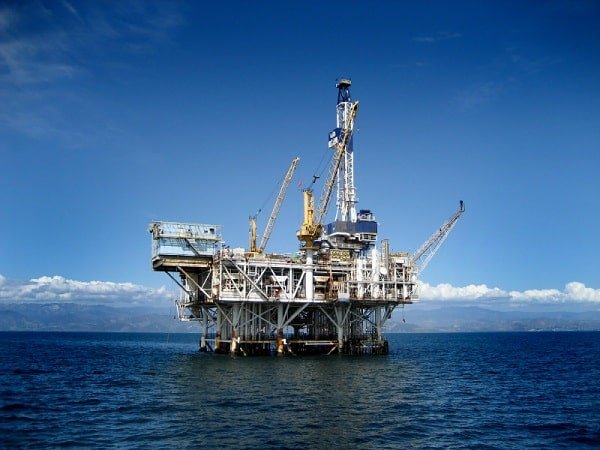
Offshore oil and gas valves provide isolation, pressure control and backflow protection on platforms, process modules and marine utility systems. Valve selection must account for operating pressure, hydrocarbons, chlorides, hydrogen sulfide, external saltwater exposure and limited maintenance access.
WDL Valve supplies ball, gate, globe, check and control valves for hydrocarbon, produced-water, seawater, gas and utility service.
Where Are Valves Used on Offshore Facilities?
Offshore valves operate from wellhead and production-separation systems to gas compression, water injection, seawater cooling, drainage and export lines. Each service creates a different combination of pressure, corrosion, erosion and safety requirements.
| Offshore System | Valve Function | Main Service Risks | Common Valve Types |
|---|---|---|---|
| Production and separation | Isolation and process control | High pressure, multiphase flow, sand and sour gas | Ball, gate, globe and control valves |
| Gas compression | Isolation, recycle control and non-return | High pressure, vibration and rapid pressure changes | Ball, check and control valves |
| Produced-water treatment | Isolation and flow regulation | Chlorides, dissolved gases, chemicals and solids | Ball, gate, globe and check valves |
| Seawater and water injection | Pump isolation, control and backflow prevention | Pitting, crevice corrosion, erosion and biofouling | Butterfly, ball, gate, check and control valves |
| Fuel gas and utilities | Tight isolation and pressure control | Fire risk, leakage and frequent cycling | Ball, globe and control valves |
| Export and loading | Emergency and pipeline isolation | Pressure, fire safety and critical shutoff | Ball, gate and check valves |
WDL Valves for Offshore Oil and Gas Service
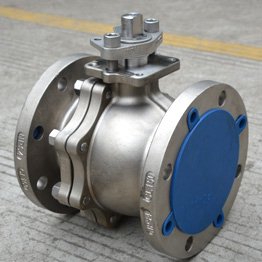
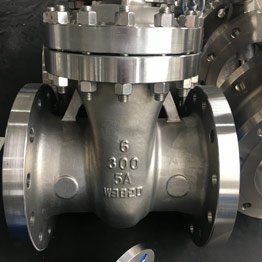
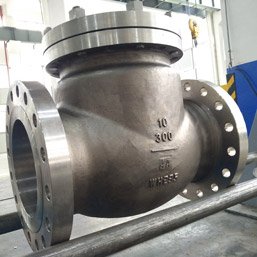
The following WDL products are relevant starting points for corrosive-fluid isolation and non-return duties. Final suitability must be confirmed against the project datasheet, material specification, pressure class and required certification.
Which Valve Types Are Used Offshore?
Ball Valves
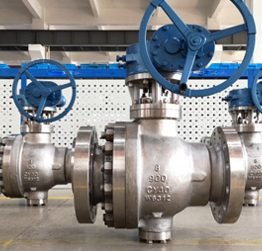
Ball valves provide quick operation, low pressure loss and tight isolation. Full-bore trunnion-mounted designs are commonly considered for high-pressure production and export lines. Seat design, cavity-pressure relief, fire-safe requirements and operating torque must be specified.
Gate Valves
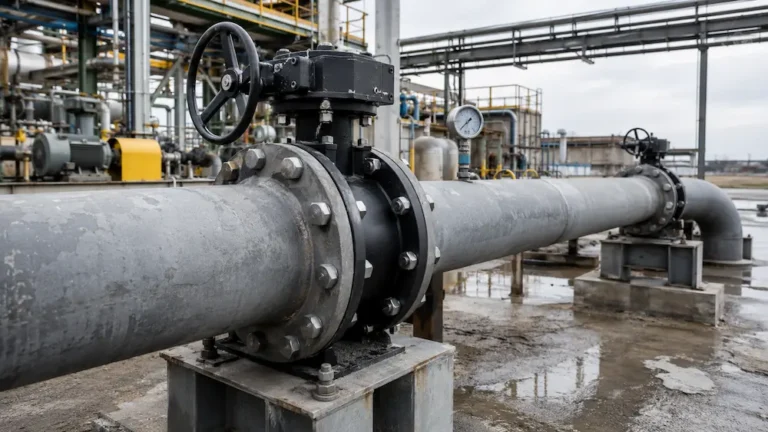
Gate valves provide straight-through isolation with low flow resistance. They are suitable for fully open or fully closed service, but standard gate valves should not be used for continuous throttling.
Globe and Control Valves
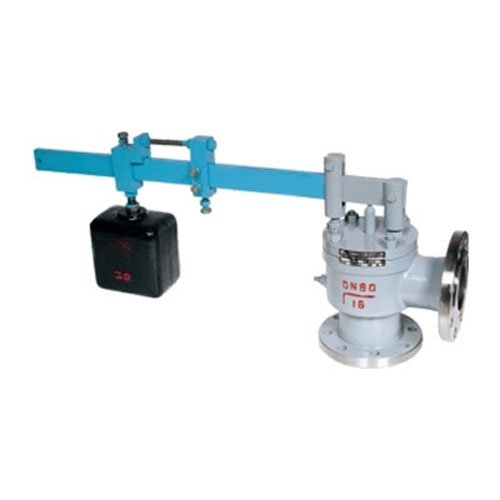
Globe and control valves regulate pressure, level and flow in process modules. Trim selection must consider cavitation, flashing, gas noise, erosion, required rangeability and the specified shutoff class.
Check Valves
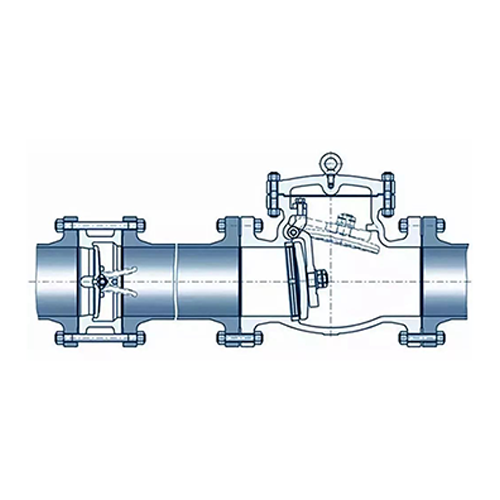
Check valves protect pumps, compressors and pipelines against reverse flow. Closing speed and orientation should match the flow conditions to reduce slam, vibration and pressure surges.
Butterfly Valves
Butterfly valves offer compact construction for large marine utility and cooling-water lines. Disc, shaft, seat and body materials must be compatible with seawater and the external offshore atmosphere.
How Do Chlorides and Sour Service Affect Valve Materials?
Chloride exposure: Seawater and produced water can cause pitting, crevice corrosion and chloride stress-corrosion cracking. Duplex and super duplex stainless steels, nickel alloys, titanium or suitable non-metallic linings may be considered according to temperature, chloride concentration, oxygen content and flow velocity.
Sour service: Wet hydrogen sulfide can cause sulfide stress cracking and other damage mechanisms. Material grade, hardness, heat treatment, weld procedure and bolting must meet the specified sour-service limits rather than relying only on a generic alloy name.
External marine corrosion: Salt spray, humidity and inaccessible crevices can attack external surfaces, fasteners, brackets and actuators. A project coating system, compatible bolting and suitable enclosure protection should be specified alongside the valve pressure-retaining materials.
Offshore Valve Material and Protection Options
| Material or Protection | Typical Consideration | Important Limitation |
|---|---|---|
| Carbon steel with coating | Hydrocarbon and utility duties where internally compatible | Coating damage, corrosion allowance and sour-service hardness |
| 316 stainless steel | Selected utility and moderately corrosive services | May be inadequate for warm or stagnant high-chloride conditions |
| Duplex stainless steel | Produced water, selected seawater and process services | Grade, welding quality and service limits require verification |
| Super duplex stainless steel | More demanding chloride-bearing service | Temperature, fabrication and phase balance must be controlled |
| Nickel alloys or titanium | Specific severe corrosive duties | Compatibility, galvanic effects and project cost |
| External coating system | Protection from salt spray and marine atmosphere | Surface preparation, dry-film thickness and repair procedure |
How Should Offshore Oil and Gas Valves Be Selected?
- Define the fluid: oil, wet gas, dry gas, condensate, produced water, seawater or chemical.
- Confirm design conditions: operating, design and transient pressure and temperature.
- Identify corrosive components: H₂S, CO₂, chlorides, oxygen, water cut, solids and chemical additives.
- Specify valve duty: isolation, throttling, non-return, pressure control or emergency shutdown.
- Select materials and seals: body, trim, bolting, seat, packing, gasket and external coating.
- Define actuation: manual, electric, pneumatic, hydraulic or electro-hydraulic, including fail action.
- Confirm testing: pressure, leakage, fire-safe, fugitive-emission, low-temperature or project-specific testing.
- Plan maintenance: consider access, lifting space, spare parts and actuator removal on the platform.
General valve design and pressure-temperature ratings may be specified to ASME B16.34. For H₂S-containing production environments, ISO 15156-1 provides principles and requirements for selecting metallic materials. DNV also highlights the importance of inspecting marine valves and maintaining intact protective linings in its guidance on overboard-valve failures.
Information Required for an Offshore Valve Quotation
- Valve type, size, pressure class and end connection
- Fluid composition, H₂S and CO₂ partial pressure, chloride level and solids
- Design and operating pressure and temperature
- Body, trim, bolting, seat, packing and coating requirements
- Required design, fire-safe, fugitive-emission and sour-service standards
- Actuator type, power supply, control signal, fail position and closing time
- Inspection, testing, certification and documentation requirements
Offshore Oil and Gas Valve FAQs
Which valve material is suitable for offshore seawater?
Duplex or super duplex stainless steel, titanium, nickel-aluminum bronze and selected nickel alloys may be considered. The correct choice depends on temperature, chloride concentration, oxygen, velocity, crevices and galvanic compatibility.
What is a sour-service valve?
A sour-service valve uses materials, hardness controls, manufacturing procedures and documentation suitable for the specified H₂S-containing environment. Compliance must cover the relevant pressure-containing and wetted components.
Why are duplex valves used offshore?
Duplex stainless steels combine relatively high strength with improved resistance to several chloride-related corrosion mechanisms compared with common austenitic grades. Their suitability still depends on the exact environment and fabrication quality.
Do offshore valves require special coatings?
Carbon-steel external surfaces normally require a coating system suited to salt spray, humidity and the project’s corrosion category. Surface preparation, coating thickness, inspection and repair requirements should be stated.
What should be included in an offshore valve RFQ?
Include service composition, pressure, temperature, size, class, materials, sour-service limits, coating, seat leakage, actuation, testing, inspection and certification requirements.
Discuss Your Offshore Valve Application
WDL Valve can review your fluid composition, chloride exposure, sour-service requirements and operating conditions to recommend a suitable valve type, material, sealing system and actuator.