Petrochemical Process Valves: Applications, Types and Selection Guide
Petrochemical process valves isolate equipment, regulate flow, prevent reverse flow and provide emergency shutoff in refining and chemical production units. The correct valve must match the medium, pressure, temperature, corrosion risk, emissions requirement and operating frequency.
WDL Valve supplies ball, gate, globe, check, butterfly, plug and control valves for hydrocarbons, gases, steam, acids, solvents and utility media.
Where Are Valves Used in Petrochemical Plants?
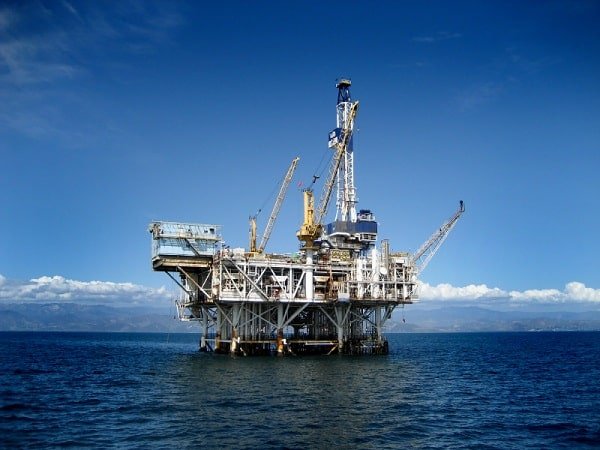
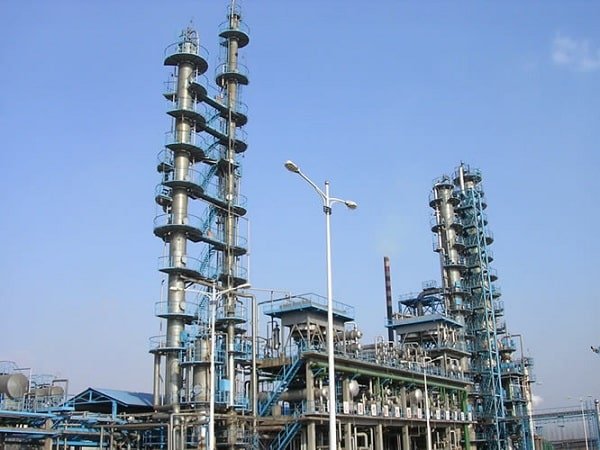
Petrochemical plants use valves from feed storage and reaction systems to separation, heat transfer, compression, product handling and utilities. Each process area creates different demands for sealing, materials, pressure drop and actuation.
| Process Area | Typical Media | Valve Duty | Common Valve Types |
|---|---|---|---|
| Feed and transfer | Crude oil, naphtha, intermediates and solvents | Isolation, routing and emergency shutoff | Ball, gate, plug and check valves |
| Reactors and process units | Hydrocarbons, hydrogen, catalysts and chemicals | Pressure, temperature and flow control | Globe, ball and control valves |
| Distillation and fractionation | Hydrocarbon vapor, liquid and reflux | Isolation, level control and throttling | Gate, globe, ball and control valves |
| Steam and heat transfer | Steam, condensate and hot process fluids | Isolation, regulation and non-return | Gate, industrial globe valves, check and control valves |
| Acid and chemical systems | Acids, alkalis, additives and solvents | Corrosion-resistant isolation and dosing | Ball, plug, globe and lined valves |
| Flare and fuel gas | Fuel gas, relief gas and vapor | Tight shutoff and safe pressure control | Ball, gate, check and control valves |
WDL Valves for Petrochemical Process Service
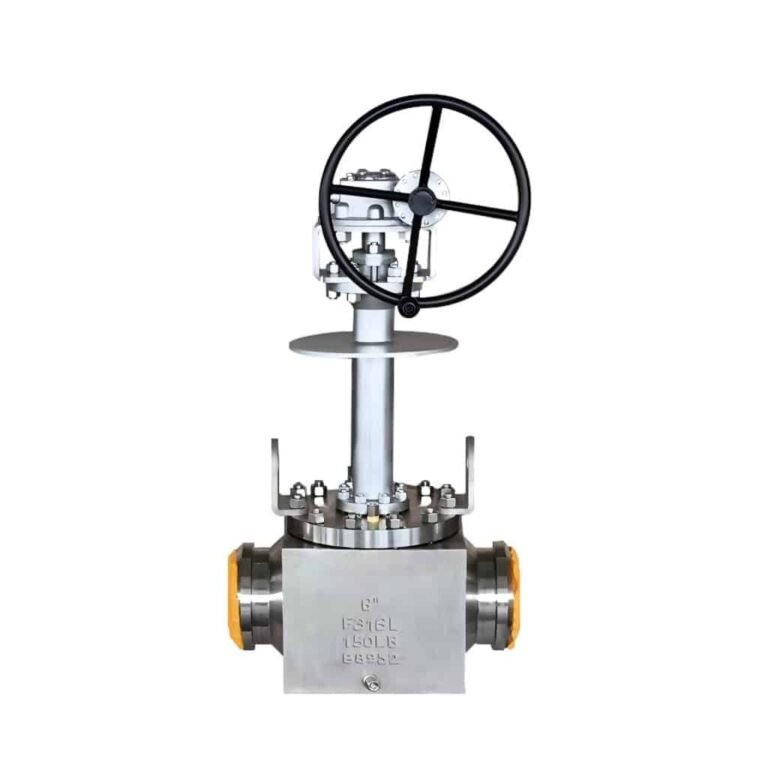
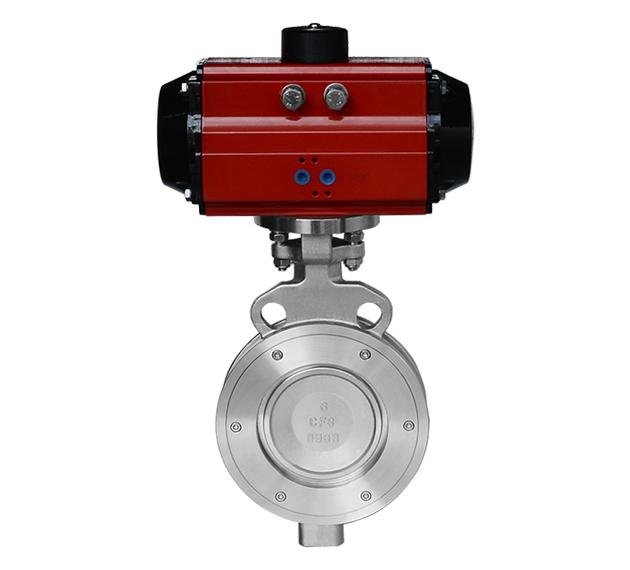
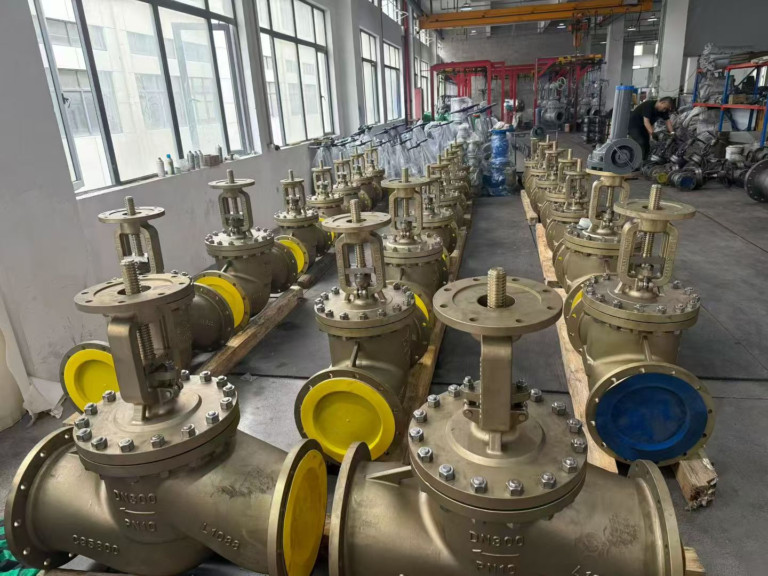
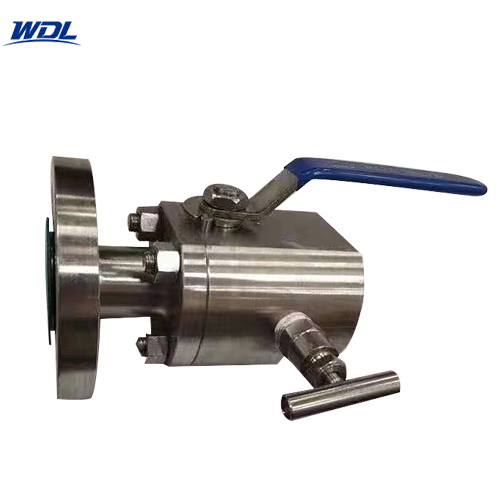
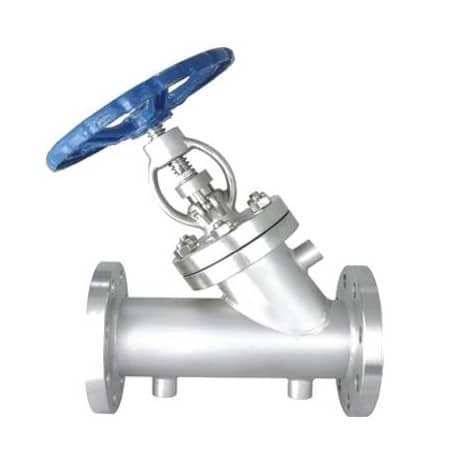
These WDL products illustrate valve designs used for compact isolation, elevated temperature, heat-traced media and quarter-turn process service. Final selection must be checked against the project datasheet and piping material class.
Which Valve Types Are Used in Petrochemical Plants?
Ball Valves
Ball valves provide quick operation, low pressure loss and tight shutoff. Floating or trunnion-mounted construction, soft or metal seats, cavity-pressure relief and fire-safe features are selected according to size, pressure and service severity.
Gate Valves
Gate valves are used for full-open or full-closed isolation in hydrocarbon, steam and utility lines. Their straight flow path produces low pressure loss, but standard wedge gate valves should not be used for continuous throttling.
Globe and Control Valves
Globe and control valves regulate flow, pressure, temperature and level. Trim design must account for cavitation, flashing, gas noise, erosion, rangeability and the required seat-leakage class.
Check Valves
Check valves prevent reverse flow through pumps, compressors and process lines. Correct sizing and closing characteristics help reduce valve slam, vibration and pressure surges.
Plug Valves
Plug valves provide compact quarter-turn isolation and can handle selected dirty, viscous or corrosive media. Lubricated, sleeved and lined designs have different pressure, temperature, maintenance and emissions characteristics.
Butterfly Valves
Butterfly valves are compact and economical for large utility and cooling-water lines. High-performance or triple-offset designs may be considered where pressure, temperature or shutoff requirements exceed general soft-seat service.
How Do Process Conditions Affect Valve Selection?
High temperature: Elevated temperature reduces material strength and can exceed soft-seat limits. Pressure-temperature ratings, metal-seat design, stem packing, gasket materials and thermal expansion must all be checked.
Corrosive chemicals: Material selection depends on the exact chemical, concentration, water content, impurities, pressure and temperature. A material that works with a dilute acid at room temperature may fail in a hot or concentrated solution.
Solids and catalysts: Particles can erode trim, damage seats and collect in body cavities. Full-port flow paths, hardfacing, cavity management and suitable actuator torque can improve reliability.
Frequent cycling: Automated valves require correctly sized actuators, durable bearings and seals, suitable cycle-life testing and defined fail action. Startup, shutdown and emergency cycles must be included.
Low-emission duty: Volatile organic compounds can escape through stem packing, body joints and connections. Packing arrangement, live loading, surface finish, bolting and emissions testing should be stated in the specification.
Petrochemical Valve Material and Seat Selection
| Material or Seat | Typical Consideration | Selection Check |
|---|---|---|
| Carbon steel | General hydrocarbon, steam and utility duties | Corrosion allowance, low temperature and sour-service limits |
| Cr-Mo alloy steel | Elevated-temperature hydrogen and steam service | Temperature rating, welding, heat treatment and hydrogen damage assessment |
| Stainless steel | Selected chemical, solvent and corrosive services | Grade, chloride exposure, temperature and process impurities |
| Duplex or nickel alloy | More severe corrosion conditions | Exact chemistry, fabrication, galvanic effects and project specification |
| Soft seat | Tight shutoff at compatible temperatures | Chemical compatibility, pressure, swelling, permeation and fire-safe design |
| Metal seat | High temperature, abrasive solids and severe cycling | Leakage class, hardfacing, galling, torque and thermal expansion |
Which Standards Matter for Petrochemical Valves?
ASME B16.34 covers pressure-temperature ratings, materials, dimensions, testing and marking for many industrial valve constructions. Project specifications may also reference API standards for ball, gate, plug and check valves, pressure testing, fire testing and fugitive-emission qualification.
The American Petroleum Institute refining-equipment standards page lists valve standards including API 641 for quarter-turn valve fugitive-emissions type testing. The U.S. EPA equipment-leaks guidance identifies valves among the components that can release unintended emissions, supporting careful packing selection, testing and maintenance.
How Should a Petrochemical Process Valve Be Specified?
- Identify the medium: provide composition, concentration, impurities, solids and phase.
- Confirm conditions: state design, operating, startup and upset pressure and temperature.
- Define the function: isolation, throttling, non-return, emergency shutdown, vent or drain.
- Select the construction: valve type, bore, pressure class, end connection and bonnet design.
- Specify materials: body, trim, seat, stem, packing, gasket and bolting.
- State safety requirements: fire-safe, antistatic, fugitive-emission and sour-service requirements.
- Define actuation: manual, electric, pneumatic or hydraulic, including fail position and closing time.
- List documentation: material certificates, test reports, inspection plan and required approvals.
Information Required for a Valve Quotation
- Valve type, nominal size, pressure class and connection
- Process fluid, composition, concentration and solids content
- Design and operating pressure and temperature
- Required body, trim, seat, packing and bolting materials
- Flow rate, pressure drop or Cv for control duties
- Actuator type, power supply, control signal and fail action
- Applicable design, testing, fire-safe and emissions standards
Petrochemical Process Valve FAQs
Which valve is best for hydrocarbon isolation?
Ball and gate valves are common choices. Ball valves provide quick operation and tight shutoff, while gate valves provide a straight flow path. Pressure, temperature, fire-safe requirements, solids and cycle frequency determine the final design.
When is a metal-seated valve required?
A metal seat may be required when temperature, abrasive particles or severe cycling exceed soft-seat limits. Leakage class, coating or hardfacing, operating torque and thermal expansion must be evaluated.
Why are fugitive-emission requirements important?
Stem packing and body joints can release volatile hydrocarbons or hazardous gases. Low-emission packing systems, controlled surface finishes, suitable bolting and qualification testing help reduce leakage.
What is the purpose of a jacketed valve?
A jacket circulates steam or another heat-transfer medium around the valve body to help maintain process temperature. Jacket pressure, connections, drainage and thermal expansion must be included in the specification.
What data does WDL Valve need for selection?
Provide the fluid composition, pressure, temperature, size, class, valve function, material, seat, actuation, leakage requirement and applicable standards.
Discuss Your Petrochemical Valve Application
WDL Valve can review your process medium, corrosion risk, pressure, temperature and emissions requirements to recommend a suitable valve type, material, trim, seat and actuator.