Welcome to Xiamen WDL VALVE Co., Ltd.

WDL Valve manufactures forged steel valves for compact, high-pressure and high-temperature piping systems. Our forged gate, globe and related isolation valves are configured for oil and gas, petrochemical, power, steam and industrial process projects.
Pressure class, body material, bonnet design, end connection, trim and operator are selected from the approved valve data sheet.
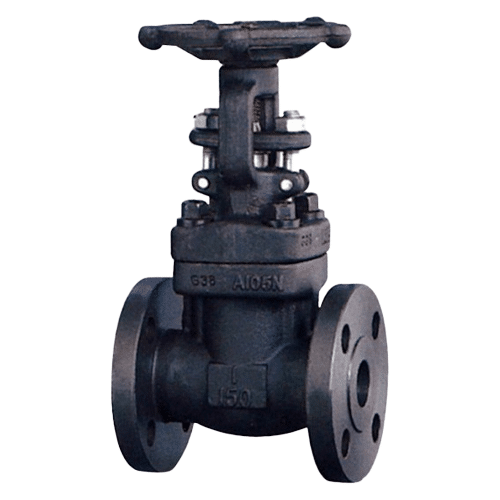
Forging produces a refined grain structure and enables strong, compact pressure-containing components. Forged steel valves are commonly selected for smaller-bore piping at elevated pressure or temperature, where dimensional control, material integrity and reliable shutoff are essential.
Full-opening isolation with flanged, socket-weld or butt-weld ends and bolted or pressure-seal bonnet options.
Shutoff and throttling designs in straight, Y-pattern and pressure-seal configurations for process and steam service.
Low-emission packing, extended bonnets, special trims, NACE materials, fire-safe design and automated operation.
Common material families include carbon steel, low-temperature carbon steel, stainless steel and alloy steel. Available pressure classes and sizes depend on the valve type, material and governing standard.
End connections can include threaded, socket-weld, butt-weld and flanged designs. Bolted bonnet, welded bonnet and pressure-seal bonnet constructions are evaluated against pressure-temperature conditions and maintenance requirements.
Each quotation is reviewed against the design standard, face-to-face requirement, material specification, service medium, corrosion allowance and inspection plan. Typical standards may include API, ASME, BS, EN or project-specific requirements.
Inspection packages can include material certificates, dimensional reports, hydrostatic shell and seat tests, non-destructive examination records, coating reports and third-party witnessing. Low-temperature impact testing, hardness limits and NACE requirements can be added when specified.
Provide valve type, size, class, design standard, body and trim materials, end connection, medium, pressure, temperature, operator, quantity and inspection requirements. Include project specifications and valve data sheets when available.
Forged construction is often preferred for compact high-pressure valves because of its refined grain structure and controlled material properties. Cast valves remain practical for larger sizes and complex body shapes.
Depending on valve type and class, options may include bolted, welded and pressure-seal bonnets. The project specification determines the acceptable construction.
Yes, when the specified materials, hardness limits, heat treatment and documentation are compatible with the applicable NACE or project requirements.
Send your valve specifications, drawings or RFQ. Our engineering team will review the operating conditions and contact you with a suitable solution.
WhatsApp us