Welcome to Xiamen WDL VALVE Co., Ltd.

WDL Valve supplies titanium ball, butterfly, gate, globe, check, plug, discharge valves and strainers for seawater, desalination, chemical processing and other corrosive duties. Valve design, titanium grade, trim, seat and joining details are reviewed against the actual fluid and operating envelope.
Titanium develops a stable protective oxide film that can provide strong corrosion resistance in many chloride-bearing and oxidizing environments. It is often evaluated when conventional stainless steels face pitting, crevice corrosion or shortened service life.
Material selection still requires the complete chemical composition, concentration, temperature, pressure, aeration, flow velocity and expected deposits. Titanium is not a universal solution for every chemical service.
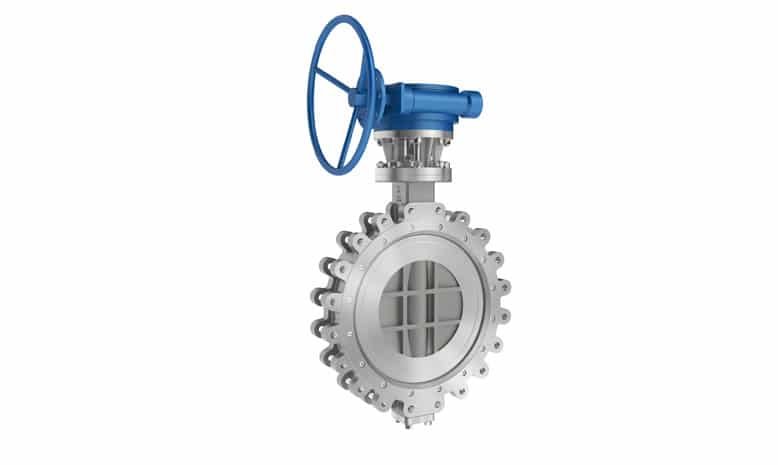
Browse the complete titanium and zirconium valve range.
Typical evaluation areas include seawater intake and cooling, reverse-osmosis desalination, brine, chlorine-related process lines, chemical production, pharmaceuticals and specialty process equipment. Selection should consider crevice geometry, galvanic contact with dissimilar metals, gasket and seat compatibility, fabrication cleanliness and whether the titanium is solid, lined or used only for wetted trim.
No. Titanium and duplex alloys solve different corrosion and mechanical problems. The fluid chemistry, temperature, pressure, fabrication and lifecycle cost determine the better option.
Sometimes, but every wetted component and galvanic couple must be reviewed. The required trim should be stated explicitly on the datasheet.
Confirm the titanium grade, pressure-temperature rating, valve design, wetted-part list, seat materials, testing, documentation and any cleaning requirements.
Provide the fluid analysis and operating conditions. WDL Valve will review the material and valve configuration before quotation.
Send your valve specifications, drawings or RFQ. Our engineering team will review the operating conditions and contact you with a suitable solution.
WhatsApp us